Homeschooling Curriculum India: DIY Home Learning Activities
Building an effective homeschooling curriculum India-style doesn't mean replicating a classroom at home; it's about crafting a rich, engaging learning environment tailored to your child. This approach involves integrating everyday experiences with structured, hands-on activities that foster holistic development, making education deeply personal and rooted in our cultural context.
Many Indian parents are now exploring home-based learning as a flexible alternative, seeking ways to keep their children's enthusiasm and curiosity alive indoors, as highlighted by publications like The Better India. This shift empowers families to design an educational path that truly resonates with their values and their child's unique pace.
What is a DIY Homeschooling Curriculum in India?
A DIY homeschooling curriculum in India is a personalised educational plan designed and implemented by parents using a combination of formal resources, everyday activities, and child-led exploration. This approach moves beyond rigid textbooks, leveraging the home environment and cultural surroundings as primary learning tools. It matters because it offers unparalleled flexibility, allowing learning to adapt to a child's developmental stage, interests, and family lifestyle. Indian parents can thereby create a learning journey that is culturally rich, academically sound, and deeply engaging.
Why Choose DIY Homeschooling Activities for Your Child in India?
Choosing to design your own homeschooling journey with DIY activities offers immense benefits, particularly in the diverse Indian landscape. It provides the flexibility to adapt to varying family dynamics, from bustling joint families in Bengaluru to nuclear setups in smaller towns. Child development experts agree that a customised learning path, focused on a child's individual readiness rather than strict age-based milestones, fosters deeper engagement and a stronger love for learning.
For instance, while a formal school might struggle to accommodate a child who thrives on project-based learning or has a keen interest in, say, traditional Indian art forms, a DIY curriculum embraces these passions. Research by the National Council of Educational Research and Training (NCERT) consistently emphasises the importance of context-rich, experiential learning, which is a cornerstone of effective DIY homeschooling.
Laying the Foundation: Setting Up Your Home Learning Space for DIY Homeschooling India
Creating an inviting and stimulating learning environment is crucial, and it doesn't require a dedicated classroom. Think of it as a 'prepared environment' inspired by Maria Montessori's philosophy: a space where everything has a purpose and is accessible to the child. For many Indian homes, this might mean a corner in the living room, a low shelf in a bedroom, or even a designated mat for focused activity.
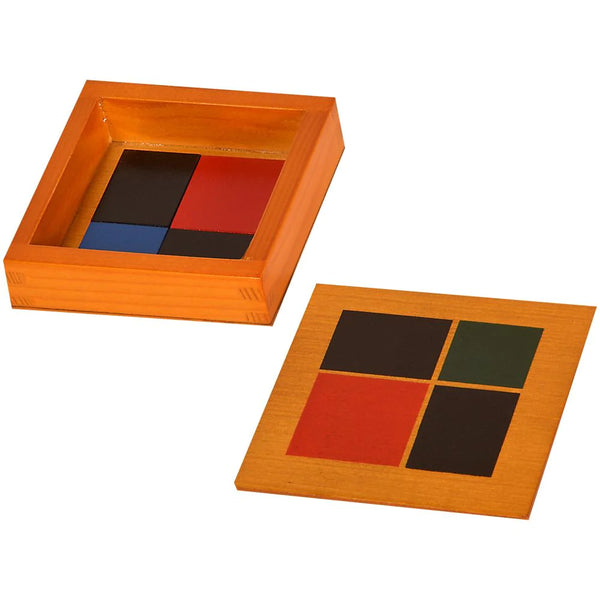
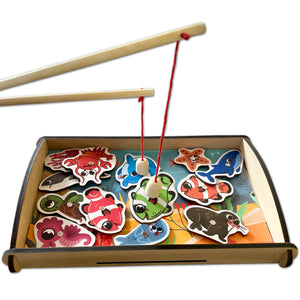
The key is simplicity and order. Ensure materials are visually appealing, well-organised, and within easy reach for your child. Interestingly, studies suggest that children who engage with 'boring' or open-ended wooden toys develop stronger problem-solving skills and imaginative capacity than those with complex electronic toys. These simple tools encourage the child to be the active creator of their play, fostering intrinsic motivation and cognitive flexibility. Consider starting with versatile Montessori-inspired learning materials that encourage exploration.
Engaging Home Learning Activities India: Everyday Montessori Fun
Transforming daily routines into rich learning experiences is at the heart of effective home learning activities India has to offer. Montessori principles, which focus on practical life skills, sensory exploration, and self-directed learning, are perfectly suited for this. Here are some ideas:
Practical Life Skills: The Joy of Doing
- Kitchen Helpers: Involve your child in preparing meals. A three-year-old Aarya in a Bengaluru joint family can help sort lentils (dal), wash vegetables, or knead dough for chapatis. These activities build concentration, fine motor control, and a sense of contribution.
- Household Chores: Let them dust, sweep, or water plants. Providing child-sized tools, like a small broom, empowers them. The act of folding laundry isn't just a chore; it's a lesson in categorisation and spatial reasoning.
Sensory Exploration: Engaging the Senses
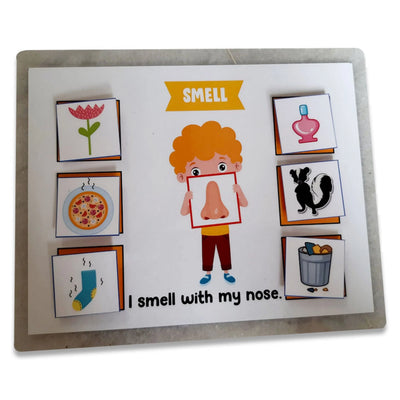
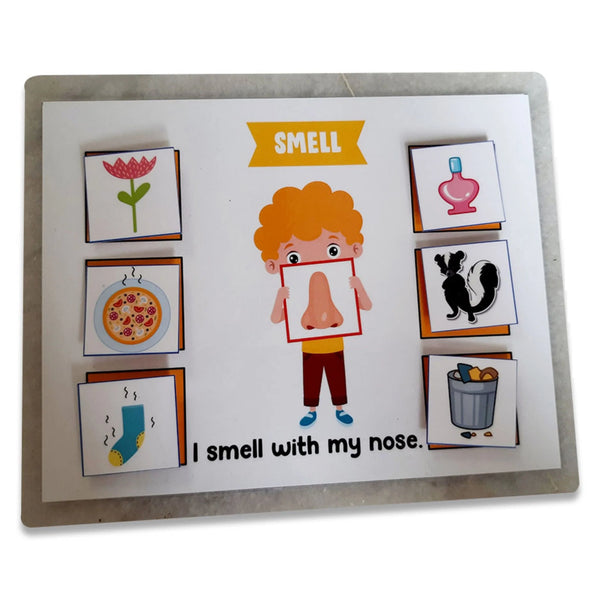
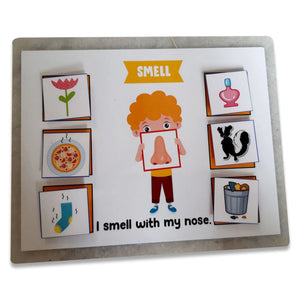
- Spice Box Discovery: Create a 'gandh-pustika' (smell book) with common Indian spices like cardamom, cinnamon, and cloves. Let children smell, touch, and describe them. This enhances olfactory senses and language development.
- Rice & Pulse Bin: A simple tub filled with rice, lentils, or chickpeas, along with scoops and small bowls, provides endless opportunities for pouring, scooping, and tactile exploration, crucial for developing fine motor skills.
Language & Literacy: Stories & Sounds
- Storytelling with Grandparents: The rich tradition of oral storytelling in Indian families is a goldmine. Grandparents can share tales from epics like the Ramayana or local folklore, enriching vocabulary and cultural understanding.
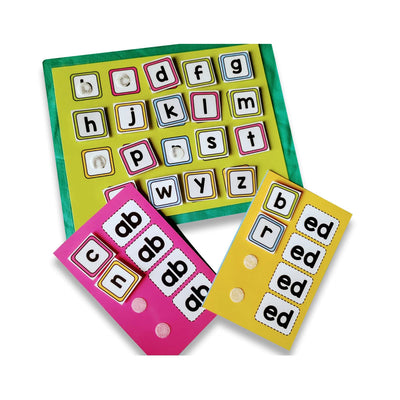
- DIY Story Cards: Use old magazines or draw simple pictures of common objects, animals, or actions. Have your child arrange them to create their own stories, promoting sequencing and narrative skills.
Math & Logic: Numbers All Around Us
- Counting Rituals: Count steps, fruits in a basket, or family members. During festivals, count diyas lit or sweets made. Concrete counting helps build number sense.
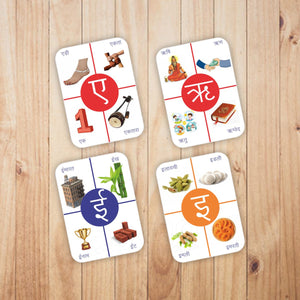
- Pattern Play: Use beads, stones, or even different coloured clothes to create patterns (red-blue-red-blue). This builds early algebraic thinking. You can find many engaging options in activity kits that encourage pattern recognition.
Creative Arts & Science: Exploring the World
- Natural Rangoli: Instead of synthetic colours, use flower petals, coloured rice, or turmeric and kumkum for rangoli patterns. This teaches about natural materials and traditional art.
- Seed Germination: Plant various seeds (rajma, chana) in small pots or even cotton wool. Observe and record their growth, introducing basic botany.
Weaving in Indian Culture and Traditions
One of the most powerful aspects of DIY homeschooling is the ability to deeply embed cultural learning. Festivals like Diwali, Holi, or Eid become immersive learning experiences rather than just holidays. Involve children in preparing traditional foods, decorating the home, understanding the stories behind the celebrations, and interacting with extended family.
The role of grandparents, aunties, and uncles in a joint family offers a natural extended learning environment. They are invaluable resources for sharing stories, traditional songs, practical skills like weaving or pottery (if available), and ethical values. This intergenerational learning provides a rich tapestry of knowledge that formal schools often cannot replicate.
Planning Your DIY Homeschooling Journey: Tips for Indian Parents
As you embark on creating your unique homeschooling curriculum India, remember these practical tips:
- Observe, Don't Dictate: Maria Montessori stressed observation. Watch what genuinely interests your child. If they spend hours engrossed in sorting pebbles, that's their cue for a lesson on categorisation, shapes, or textures.
- Balance Academics with Play: The American Academy of Pediatrics recommends at least 60 minutes of unstructured free play daily for school-aged children. For younger ones, play is learning. Don't feel pressured to have a rigid academic schedule for every hour.
- Leverage Community: Join local homeschooling groups, attend workshops, or visit local museums and cultural centres. These provide socialisation opportunities and expose children to different perspectives and resources.
- Prioritise Parental Well-being: Homeschooling is a marathon, not a sprint. Remember to take breaks, connect with other homeschooling parents, and seek support when needed. Your well-being directly impacts your child's learning environment.
Crafting your own home-based learning journey is an empowering experience that allows you to truly see your child thrive in an environment designed just for them. Start small, observe often, and embrace the joy of discovery alongside your child.