Telugu Letters with Pictures: Fun DIY Activities for Kids
Are you an Indian parent eager to introduce your child to the rich heritage of Telugu language right at home? Many parents search for engaging ways to teach telugu letters with pictures, often finding a gap in accessible, DIY resources. Thankfully, you can create a vibrant learning environment using simple materials and a touch of creativity, fostering early literacy skills that align perfectly with Montessori principles.
Learning Telugu alphabets at home through hands-on activities provides a foundational understanding of language. This multi-sensory approach ensures that children not only recognize the letters but also connect them to sounds and meanings, making their journey into Telugu literacy both fun and effective. It's about turning everyday moments into powerful learning opportunities.
What Are Telugu Letters with Pictures and Why Do They Matter?
Telugu letters with pictures are educational resources that pair each letter of the Telugu alphabet (vowels like 'అ' and consonants like 'క') with an image of an object whose name begins with that specific letter. This method, rooted in associative learning, is crucial for early language development.
This matters because young children learn best through visual and contextual cues. By seeing '���' next to a picture of 'అమ్మ' (Amma - mother), they form a strong connection between the written symbol, its sound, and a familiar concept. Indian parents can easily replicate this powerful learning technique at home, enriching their child's linguistic journey.
The Power of DIY Telugu Learning for Indian Families
In a world where child enrichment can cost a significant amount annually, as highlighted by The Economic Times, DIY learning offers a fantastic, cost-effective alternative. It empowers parents to actively participate in their child's education, creating personalized tools that resonate with their specific needs and cultural context. The Better India recently spoke about keeping kids' enthusiasm alive indoors, and DIY Telugu activities fit this perfectly.
Child development experts emphasize that hands-on engagement fosters deeper understanding and retention than passive learning. When a child creates their own 'తెలుగు అక్షరాలు' (Telugu Aksharalu - Telugu letters) with you, they're not just learning the alphabet; they're developing fine motor skills, problem-solving abilities, and a sense of accomplishment. This active involvement strengthens the neural pathways for language acquisition, making learning robust and lasting.
Setting Up Your Home for Telugu Literacy Activities
You don't need a dedicated classroom to foster early Telugu literacy. A small corner in your living room or even the kitchen table can become a vibrant learning zone. Ensure the space is well-lit, free from major distractions, and has easy access to materials.
Involve your child in the setup! Let them help choose where their Telugu flashcards will be stored or pick the colors for their activity station. This sense of ownership encourages enthusiasm and makes them more receptive to learning. Remember, consistency is key, so make it a place you can revisit daily for short, focused activities.
Engaging DIY Telugu Letter Activities for Kids: Step-by-Step
Let's dive into some achievable telugu learning activities for kids that you can start today. These activities leverage simple household items and Montessori principles, encouraging independent exploration and discovery.
1. Telugu Sandpaper Letters: A Tactile Delight
Maria Montessori championed tactile learning, and sandpaper letters are a classic. For Telugu, you can adapt this beautifully. Write large Telugu letters on thick cardboard squares. Cut out fine sandpaper (easily available at a hardware store) into the shape of each letter and glue it onto the cardboard.
Invite your child to trace the sandpaper letters with their index finger, saying the letter sound aloud. This engages multiple senses: touch (the rough texture), sight (the letter's form), and hearing (the sound). It's an excellent way to prepare them for writing and reinforce letter recognition. You can find similar multi-sensory tools in our activity kits that encourage hands-on learning.
2. Picture Flashcards with Telugu Alphabets
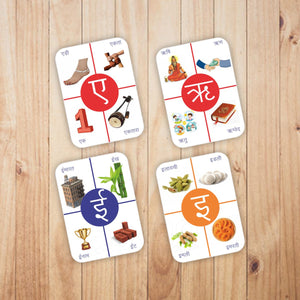
This is a direct answer to the 'telugu letters with pictures' query. On index cards or small pieces of cardboard, write one Telugu letter largely on one side. On the other side, draw or paste a picture of something familiar that starts with that letter. For 'ఆ' (Aa), draw a picture of 'ఆవు' (Aavu - cow); for 'గుడి' (Gudi), draw a 'గుడి' (Gudi - temple).
Play a matching game, asking your child to pair the letter with the correct picture. You can also use these cards for storytelling, encouraging them to identify the starting sounds of objects around them. Make these flashcards vibrant and colourful to capture their attention.
3. Tracing in Atta or Rangoli: A Cultural Twist
This beloved Indian tradition offers a unique way for kids to practice telugu alphabets for kids. Spread a thin layer of rice flour (atta), semolina (rava), or even colourful rangoli powder on a tray. Show your child how to trace Telugu letters with their finger. The sensory feedback of the soft powder helps them learn letter formation naturally.
This activity is not only fantastic for developing fine motor skills crucial for writing but also connects them to a cultural practice. It's an easy, low-cost way to make learning memorable and engaging, perfect for a rainy afternoon indoors.
4. Telugu Letter Scavenger Hunt
Write various Telugu letters on small chits of paper and hide them around the house. Give your child a list of letters to find. As they find each letter, encourage them to say its name and a word that starts with it. This activity combines physical movement with literacy, keeping energy levels high.
You can also use larger cut-out letters and hide them. This kind of active play keeps curiosity alive, a principle discussed in articles like '6 Ways To Keep Kids' Enthusiasm and Curiosity Alive Indoors This Winter' by The Better India. For further development of precise hand movements, explore our collection of fine motor skill toys.
Beyond the Basics: Making Telugu Learning a Family Affair
Learning learn telugu letters at home extends beyond structured activities. Weave Telugu into your daily conversations, especially during meal times or family gatherings. Ask your child to name vegetables or fruits in Telugu, or sing traditional Telugu lullabies and rhymes together.
Grandparents play an invaluable role here. Their rich knowledge of stories, festivals, and traditions in Telugu can provide authentic exposure to the language, making it come alive for your child. Celebrate festivals like Ugadi or Sankranti by discussing their significance in Telugu, using simple phrases and explaining meanings. This cultural immersion ensures that Telugu isn't just an academic subject but a living, breathing part of their identity.
The Unique Insight: Kinesthetic Learning and Regional Language
While many focus on flashcards, the non-obvious insight is how deeply kinesthetic learning—learning through movement and touch—imprints regional language letters into a child's brain. The act of physically tracing 'అ' in sand or moulding 'క' with playdough isn't just about fun; it's about creating multi-sensory memory traces that are far more robust than visual recognition alone. This active construction of knowledge, central to Montessori education, bypasses rote memorization and fosters genuine understanding and retention of complex letter shapes, especially crucial for scripts like Telugu with their intricate curves and strokes.
Starting Your DIY Telugu Literacy Journey
Embarking on diy telugu learning at home is a rewarding journey for both you and your child. Remember to keep it playful, patient, and consistent. Every small step, every letter recognized, and every new word spoken in Telugu is a victory worth celebrating.
SkilloToys.com is dedicated to supporting your child's developmental journey. While our focus is on quality educational toys, we believe in empowering parents with accessible resources for holistic learning. Explore our wider range of Montessori-inspired learning materials to complement your DIY efforts and continue fostering a love for learning in your little one.