AI in schools India: Montessori Safeguards Cognitive Skills
AI in schools India is a topic of increasing discussion, especially following recent global concerns where nations like Norway are restricting AI use in schools, citing worries over learning and cognitive skills. For Indian primary schoolers aged 5-8, the Montessori approach offers a powerful safeguard, ensuring their cognitive skills are not just preserved but actively nurtured amidst the digital wave.
What is the Montessori Approach to AI in Early Education?
The Montessori approach to AI in early education prioritises hands-on, experiential learning. It ensures foundational cognitive skills like critical thinking and creativity are developed through tangible interactions, rather than being passively outsourced to algorithms. Indian parents can leverage this by focusing on active discovery before abstract digital tools.
Why AI in Schools India Needs Careful Consideration for Young Minds (5-8 Years)
The rapid integration of AI in schools India raises significant questions about its impact on the developing brains of children aged 5-8. While AI offers educational tools, an over-reliance on it can inadvertently hinder the organic development of crucial cognitive processes. Child development experts agree that the primary school years are critical for building foundational skills like attention span, memory, and analytical reasoning through direct engagement and exploration.
Studies indicate that excessive screen time for primary schoolers, particularly when passively consuming content, can impede language acquisition and reduce opportunities for imaginative play, which is vital for problem-solving. In the Indian context, where academic pressure often leads to a rush for digital shortcuts, parents must be vigilant. The concern isn't just about what AI provides, but what it might prevent children from actively doing and discovering themselves.
The Frontline Magazine article highlighting India's education crisis underscores the need for robust, foundational learning, not just technological access. While India champions digital literacy, the core challenge remains ensuring quality education that genuinely cultivates cognitive abilities, not just digital fluency. The Norway decision serves as a global reminder to critically evaluate the role of AI in our children's formative years.
Montessori Approach AI: Cultivating Essential Skills in a Digital Age
The Montessori approach AI integration champions active, hands-on learning that directly addresses concerns about cognitive skill erosion. Dr. Maria Montessori's philosophy prioritises self-directed discovery using specially designed materials. For children aged 5-8, this means engaging with concrete objects like the Pink Tower for understanding dimension, or sandpaper letters for tactile literacy, building strong neural pathways.
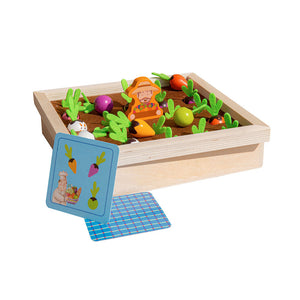
Research shows that children who engage with physical puzzles and manipulatives develop superior spatial reasoning and problem-solving abilities compared to those primarily exposed to digital equivalents. This direct interaction fosters a deep, intrinsic understanding rather than superficial knowledge. The Montessori method ensures that children learn how to think, not just what to think, equipping them with the resilience needed to navigate a future filled with advanced AI.
By focusing on practical life skills, sensorial exploration, and language development through tangible materials, Montessori education builds a strong cognitive core. This robust foundation empowers children to engage with technology as a tool for creation and exploration, rather than a substitute for independent thought. It's about empowering children to master their environment, digital or otherwise.
Balancing Digital and Hands-On: A Future Learning India Strategy
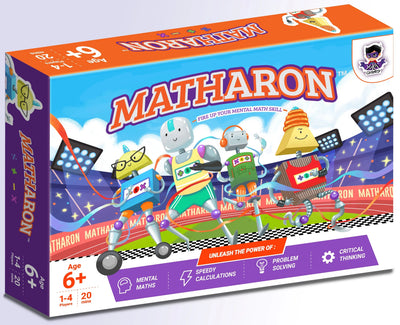
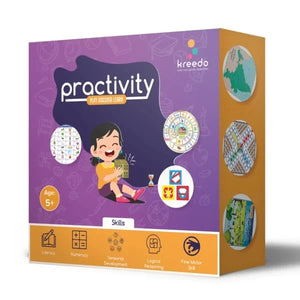
Creating a balanced educational environment is paramount for a future learning India that effectively integrates technology without compromising foundational development. Parents can actively facilitate this by ensuring a rich mix of screen-free activities that stimulate different cognitive functions. Encourage outdoor play, reading physical books, and engaging in creative projects with activityKits.
The guidance of grandparents and the support of joint families play a vital role in this balance, often providing opportunities for storytelling, traditional games, and skill-building that are inherently hands-on and community-focused. This multi-generational wisdom offers a natural antidote to the pull of digital screens. Managing screen time for primary schoolers is crucial; allocate dedicated times for digital learning, but ensure the bulk of their day is filled with direct, sensory engagement.
Addressing digital education concerns in India means moving beyond mere access to technology, focusing instead on pedagogical quality and child-centric approaches. The National Education Policy (NEP 2020) emphasizes holistic development, urging a shift from rote learning to critical thinking – a philosophy deeply embedded in Montessori principles. This approach ensures children develop a healthy relationship with technology from an early age, viewing it as a tool rather than a master.
Protecting Creativity and Critical Thinking: Montessori's Timeless Wisdom
The true power of the Montessori method lies in its unwavering commitment to protecting and nurturing a child's innate creativity and critical thinking skills, especially relevant amidst the rise of AI. While AI can generate content or solve problems, it operates on algorithms and existing data. Human creativity, however, springs from intuition, empathy, and the unique synthesis of diverse experiences – precisely what Montessori cultivates.
Studies confirm that environments promoting self-directed learning and freedom within limits, as seen in Montessori classrooms, foster higher levels of intrinsic motivation and innovative thought. Children aged 5-8 are encouraged to explore, experiment, and make mistakes, understanding the process of discovery. This contrasts sharply with AI tools that might offer immediate answers, potentially bypassing the critical cognitive struggle essential for deep learning.
By providing children with rich, purposeful Montessori method learning materials, we empower them to become independent thinkers and creators. This approach ensures that as AI becomes more pervasive, our children will possess the human attributes — ingenuity, critical judgment, and emotional intelligence — that machines cannot replicate. It's about equipping them not just for current challenges, but for an unknown future where human distinctiveness is prized.
- AI in schools India requires a balanced approach to safeguard cognitive development for primary schoolers (5-8 years).
- The Montessori method actively nurtures critical thinking, problem-solving, and creativity through hands-on learning.
- Excessive screen time for primary schoolers can impede foundational cognitive skill development.
- Indian families, including grandparents, play a crucial role in providing screen-free, experiential learning opportunities.
- Montessori education fosters a deep understanding of concepts, enabling children to use technology as a tool, not a crutch.
- Protecting intrinsic motivation and independent thought is vital in an AI-driven educational landscape.
How does Montessori specifically counter negative effects of AI in schools India?
Montessori counters negative AI effects by prioritising hands-on, self-directed learning that builds strong cognitive foundations in critical thinking, creativity, and problem-solving. It ensures children develop these skills through direct experience with materials, making them less reliant on AI for basic cognitive functions.
What is an appropriate amount of screen time for primary schoolers (5-8 years) in India?
For primary schoolers aged 5-8, experts recommend limiting screen time to 1-2 hours per day, focusing on educational or interactive content. Crucially, this digital engagement should be balanced with ample time for physical activity, creative play, and hands-on learning experiences.
Can AI and the Montessori approach coexist in a future learning India?
Yes, AI and the Montessori approach can coexist harmoniously in a future learning India by ensuring technology serves as a supplementary tool rather than a primary mode of instruction. Montessori builds the foundational cognitive skills that allow children to thoughtfully and critically engage with AI, using it effectively without becoming dependent on it.
How can Indian parents promote cognitive development for their children aged 5-8?
Indian parents can promote cognitive development by providing rich, hands-on learning experiences, encouraging open-ended play, and fostering critical thinking through discussions. Limiting passive screen time and engaging children in daily tasks, reading, and problem-solving activities are also highly effective.
Are there specific Montessori materials that help with AI-related cognitive challenges?
Montessori materials like the binomial cube, constructive triangles, and various practical life exercises inherently develop logical reasoning, spatial awareness, and problem-solving skills crucial for navigating an AI-driven world. These materials build a robust cognitive framework, teaching children to think deeply and systematically.