Educational Toys for Deep Learning in Primary School
In India, parents increasingly seek learning methods that go beyond rote memorization, especially as their children navigate primary school. SkilloToys' range of educational toys offers a powerful solution, fostering deep conceptual understanding in children aged 5-8 years by engaging multiple senses and promoting active exploration. This approach directly addresses the academic pressure many Indian families face, providing a tangible way to build genuine knowledge rather than just memorizing facts.
Conceptual learning involves understanding the 'why' behind subjects, not just the 'what'. Montessori educational toys facilitate this by providing concrete materials that children can manipulate and explore, allowing them to construct their own knowledge. This active engagement is crucial for internalizing complex ideas.
Combating Rote Learning: The Montessori Difference for Primary School
The pressure on primary school children in India to perform academically is immense, often leading to an over-reliance on rote learning. Many parents, as highlighted by reports like Newslaundry's discussion on private school enrollment, are actively seeking education models that offer more depth than traditional methods. Maria Montessori's philosophy offers a powerful alternative, transforming how children aged 5-8 years engage with their studies.
Montessori educational toys are designed to move children beyond simply memorizing facts. Instead, they encourage self-discovery through hands-on interaction, allowing primary schoolers to build a solid foundation of understanding. This approach directly counters the anxiety associated with merely recalling information, providing children with tools to genuinely comprehend and apply what they learn.
Child development experts agree that active engagement significantly enhances retention and critical thinking skills. Unlike passive listening or repetitive drills, manipulating materials fosters a deeper neural connection to the concepts, making learning intrinsically rewarding and alleviating the burden of academic pressure often seen in Indian households.
Hands-On Learning: Building Foundations for Math & Language Concepts
For primary school children, abstract subjects like mathematics and language can seem daunting. Montessori educational toys provide concrete representations that bridge the gap between abstract ideas and tangible experience. This hands-on learning primary school method makes complex concepts accessible and enjoyable for children aged 5-8 years.
Consider mathematics: tools like the Golden Beads system allow children to physically experience units, tens, hundreds, and thousands, making place value intuitively clear. Similarly, Number Rods help them understand numerical quantities and basic operations through visual and tactile engagement. These experiences build a robust conceptual framework, preparing them for advanced math without the stress of abstract memorization.
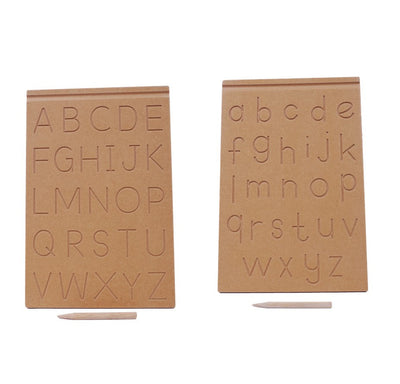
In language development, materials like Sandpaper Letters offer a multi-sensory approach to phonics, linking sound, shape, and tactile sensation. The Movable Alphabet allows children to construct words and sentences independently, developing spelling and grammar skills organically. These interactive tools make learning language skills a captivating exploration, far removed from monotonous textbook exercises, ensuring making learning fun India is a reality.
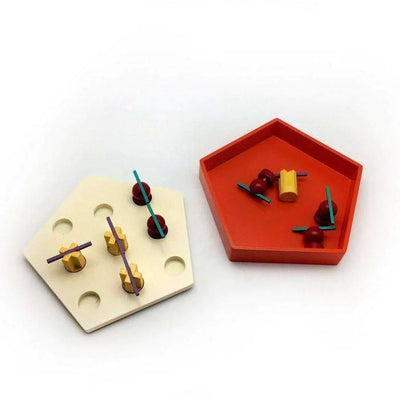
Incorporating engaging puzzles and activityKits into their learning routine further strengthens problem-solving abilities and reinforces foundational concepts. These carefully designed educational toys support the curriculum by making core subjects understandable and engaging, fostering a genuine love for learning.
Nurturing Independent Thinkers: Beyond the Textbook
Montessori conceptual learning empowers primary school children to become active participants in their education, moving beyond the traditional role of passive recipients of information. This method encourages children aged 5-8 years to observe, experiment, and draw conclusions independently, fostering critical thinking – a skill invaluable in today's world.
Studies indicate that environments promoting self-directed learning cultivate greater confidence and problem-solving capabilities. When children are allowed to self-correct and work at their own pace with educational toys, they develop resilience and a deeper understanding of their own learning process. This stands in stark contrast to the pressure-cooker academic environments often discussed in Indian news regarding education costs and parental investments.
By engaging with Montessori materials, children develop an intrinsic motivation to learn. They are not merely memorizing for a test but exploring and mastering concepts because they find the process engaging and rewarding. This holistic development equips them not just with academic knowledge, but with life skills essential for navigating future challenges.
Integrating Montessori at Home: Tips for Indian Parents
For Indian parents managing primary school academic pressure, integrating Montessori principles at home can be incredibly beneficial. Creating a 'prepared environment' doesn't require a dedicated classroom; it means offering accessible, age-appropriate educational toys and materials that encourage independent exploration for your 5-8-year-old.
Place Montessori-inspired puzzles, language materials, or math sets on low shelves where children can easily choose them. Involve grandparents in this process; their patience and storytelling can enhance the learning experience, creating a warm, supportive atmosphere often found in Indian joint families. This also addresses concerns about individualized learning, which can be particularly beneficial for children with diverse learning needs, echoing conversations around inclusive education in India.
Encourage curiosity by asking open-ended questions about their play, rather than demanding correct answers. Celebrate their process of discovery, not just the final outcome. Remember, the goal is deep understanding and a joyful learning journey, not just high marks. Explore our these educational toys for a range of options.
Montessori educational toys offer a transformative approach for primary school children in India, moving them from passive recipients of information to active, engaged learners. By fostering deep conceptual understanding, these tools alleviate academic pressure and nurture a genuine love for discovery. Investing in these resources is investing in a child's holistic development, preparing them not just for exams, but for a lifetime of confident, independent learning.
- Montessori educational toys combat rote learning by promoting hands-on, conceptual understanding for primary school children.
- Active engagement with specific Montessori materials helps children aged 5-8 internalize complex math and language concepts effectively.
- Research indicates that tactile, self-directed learning significantly improves retention, problem-solving skills, and critical thinking.
- By fostering intrinsic motivation and deep understanding, Montessori methods actively reduce primary school academic pressure in Indian homes.
- Parents can integrate age-appropriate educational toys at home to support curriculum learning and holistic development.
- This approach offers a valuable alternative to traditional methods, addressing parental concerns about the quality and depth of education in India.
How do Montessori educational toys specifically combat rote learning in primary school?
Montessori educational toys combat rote learning by providing concrete, self-correcting materials that allow children to discover concepts through hands-on exploration. This process fosters a deep understanding of the 'why' behind the information, making memorization secondary to genuine comprehension and application.
What age range benefits most from these conceptual learning toys?
Children in the primary school age range of 5-8 years particularly benefit from Montessori conceptual learning toys. At this stage, their cognitive abilities are developing rapidly, and these materials help them transition from concrete thinking to abstract reasoning with a strong foundational understanding.
Can educational toys really help with math and language skills in primary school?
Yes, educational toys like Golden Beads for math or Sandpaper Letters for language are specifically designed to provide multi-sensory experiences for abstract concepts. They allow children to physically manipulate quantities and letter sounds, building strong foundational skills that translate into better academic performance.
How can Indian parents integrate Montessori educational toys at home without a full classroom setup?
Indian parents can integrate Montessori educational toys by creating a 'prepared environment' at home, meaning accessible, age-appropriate materials on low shelves. Encourage independent choice and discovery, involving family members like grandparents, and focus on the child's process of learning rather than just outcomes.
Do these toys help reduce academic pressure on primary school children in India?
Yes, by fostering deep understanding and intrinsic motivation, Montessori educational toys significantly reduce academic pressure. When children truly grasp concepts through engaging, self-directed play, they gain confidence and a love for learning, which naturally lessens the stress associated with performance and memorization.