Health Education for Primary Schoolers India: A Montessori Guide
Montessori's holistic approach significantly enhances health education for primary schoolers in India by integrating physical, emotional, and social well-being into daily learning, directly aligning with the recent government mandate for comprehensive health education material. This method empowers children aged 5-8 years to understand personal health and hygiene through practical, child-led activities. Child development experts agree that early, integrated health education fosters lifelong positive habits and resilience in young children across diverse Indian households.
The recent directive from the Indian government, as reported by The Times of India, making health education material mandatory for schoolchildren, underscores a critical need. For parents in Bengaluru and across India, this news brings both importance and perhaps a bit of concern about additional academic pressure. SkilloToys understands this balance, advocating for a nurturing approach that sees health not just as a subject, but as a way of life.
Mandatory health education material in India refers to the government-mandated curriculum focusing on physical, mental, and social health for schoolchildren. This initiative is crucial for fostering informed, healthy citizens from a young age, empowering Indian families to reinforce these lessons at home. Indian parents can actively support this by choosing educational approaches that make learning about health engaging and practical.
Montessori's Holistic Framework for Primary School Health
Maria Montessori's philosophy has always championed the development of the whole child, encompassing physical, cognitive, emotional, and social aspects. For primary schoolers (5-8 years), this translates into a unique approach to health education that goes beyond textbooks. Studies indicate that experiential learning, central to Montessori, improves retention rates significantly, often by up to 75% compared to passive methods. This makes complex health concepts accessible and meaningful.
Instead of merely memorizing facts, children engage with their own bodies and environments. They learn about nutrition by helping prepare healthy snacks, understand hygiene through practical exercises like handwashing sequences, and grasp emotional well-being by articulating feelings and resolving conflicts. This method inherently reduces the learning crisis often seen when education focuses solely on enrolment without effective engagement, as highlighted by The Indian Express.
Integrating Mandatory Health Education Material Through Practical Life
The new government mandate for mandatory health education material can be seamlessly woven into the Montessori 'Practical Life' curriculum. These activities are designed to help children develop independence, concentration, and coordination, all vital for health. For instance, children can learn about food groups by categorizing miniature food models, or understand the importance of cleanliness by caring for their classroom environment, just as they might help grandparents with daily chores at home.
This hands-on approach is particularly effective for primary school health lessons because children at this age are concrete thinkers. They learn best by doing. Tasks like buttoning clothes, pouring water without spilling, or setting a table not only build fine motor skills but also instill a sense of order and responsibility crucial for personal care and community health.
Educational Toys for Health: Building Foundations at Home
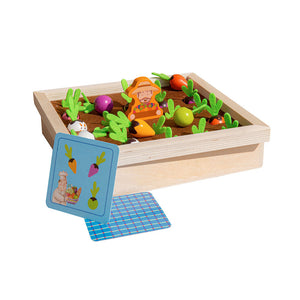
SkilloToys offers a range of Montessori educational toys that are perfect for reinforcing health concepts at home. For instance, human anatomy puzzles teach children about their internal organs in a tangible way, while sorting games help them identify healthy food choices versus junk food, making mealtime discussions more informed. Research shows that engaging with purposeful toys enhances cognitive development and makes abstract concepts like biology understandable.
These materials allow parents to create a 'prepared environment' at home, mirroring the Montessori classroom. Children aged 5-8 years can explore concepts like dental hygiene with model teeth or understand germ transmission through simple science activity kits. Such play is not just fun; it's a powerful tool for holistic child development, fostering a natural curiosity about their own bodies and how to care for them.
Montessori Health Curriculum: Beyond Physical Well-being
A true Montessori health curriculum extends far beyond mere physical health, addressing mental and emotional aspects equally. In India, where academic pressures can sometimes overshadow emotional needs, this holistic view is invaluable. Children learn to identify and express their feelings constructively, an essential skill for mental well-being.
Through grace and courtesy lessons, children develop empathy and respect for others, which forms the basis of healthy social interactions and community health. For children with special needs, whose enrolment and integration are often discussed, a sensitive and inclusive Montessori environment ensures that health education is adapted to individual paces, as underscored by ongoing conversations like those in The Hindu.
Fostering Holistic Child Development and Anti-Pressure Parenting
Montessori's approach to health education naturally aligns with anti-pressure parenting strategies. It focuses on the child's natural developmental pace, encouraging self-discovery over rote learning. This means children learn about health because they are genuinely interested and capable, not because they fear exams.
For Indian families navigating school pressures and balancing traditional values with modern educational demands, Montessori offers a balanced path. It empowers children to take ownership of their health, fostering resilience and independence, traits highly valued in our society. This method supports not just academic success, but success in life, equipping them for a future where health literacy is paramount.
Conclusion: Empowering Primary Schoolers for a Healthier Future
The government's mandate for comprehensive health education material presents a unique opportunity for Indian parents to embrace a more holistic approach to their children's well-being. By integrating Montessori principles and using purposeful educational toys, we can transform mandatory lessons into engaging, life-affirming experiences for primary schoolers (5-8 years).
SkilloToys remains committed to supporting this journey, providing resources that not only meet curriculum requirements but also nurture confident, healthy, and independent children ready to thrive in a complex world. Let's work together to make health education a joyful and integral part of every Indian child's early school years.
- Montessori's holistic approach significantly enhances health education for primary schoolers in India by integrating physical, emotional, and social well-being.
- The recent government mandate for mandatory health education material can be seamlessly incorporated into Montessori's Practical Life curriculum.
- Educational toys like anatomy puzzles and healthy eating sorting games are powerful tools for reinforcing health concepts at home.
- A Montessori health curriculum extends beyond physical health to include mental and emotional well-being, crucial for holistic child development.
- Experiential learning, a cornerstone of Montessori, improves retention rates by up to 75% for complex health concepts.
- Montessori methods align with anti-pressure parenting, empowering children aged 5-8 to take ownership of their health at their own pace.