Holistic Development in Indian Schools: A Progressive Shift
Progressive Indian schools are indeed prioritizing holistic development in Indian schools by integrating non-academic skills like gardening, emotional intelligence, and democratic participation into their core curriculum. This significant shift aims to prepare children for real-world challenges, moving beyond rote learning to foster well-rounded individuals. Recent reports from publications like 'The Better India' highlight this crucial paradigm shift, validating what many Indian parents have long hoped for: an education that nurtures the whole child amidst academic pressures.
For years, Indian parents have navigated the dual challenge of desiring comprehensive growth for their children while facing immense societal and academic expectations. The traditional emphasis on textbook knowledge and exam scores often leaves little room for crucial life skills. Now, a growing movement in primary education, particularly for children aged 5-8 years, is actively addressing this imbalance, offering a beacon of hope for families across Bengaluru and beyond.
Holistic development is an educational philosophy that nurtures a child's intellectual, emotional, social, physical, creative, and spiritual growth simultaneously. This matters because it prepares children not just for exams, but for life, fostering resilience and adaptability. Indian parents can advocate for and seek out environments that prioritize this comprehensive approach, empowering their children to thrive.
Progressive Education India: Embracing Life Skills Beyond Textbooks
A notable trend in progressive education India is the conscious effort by schools to integrate 'non-traditional' subjects as core components of learning. Inspired by recent insights, schools are making activities like gardening, community engagement, and emotional literacy as vital as Mathematics and Science. This paradigm shift moves away from the sole pursuit of high marks, fostering a learning environment where children gain practical knowledge and social consciousness.
This approach directly addresses the stress often experienced by young children and their parents in the Indian education system. By diversifying learning experiences, schools are building a foundation of critical thinking, empathy, and environmental stewardship from an early age. Research indicates that children engaged in varied activities show higher cognitive flexibility and problem-solving skills, equipping them better for future challenges.
Montessori Holistic Approach: A Blueprint for Balanced Growth
The principles of a Montessori holistic approach have long championed the very ideals now being adopted by progressive schools. Maria Montessori envisioned an education that respects the child's natural development, providing a prepared environment where self-directed learning flourishes. For children aged 5-8, this translates into freedom within limits, allowing them to explore concepts at their own pace and through hands-on engagement.
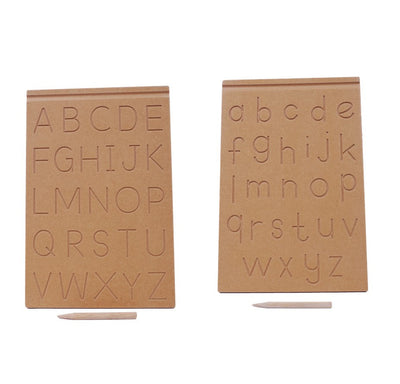
Montessori education focuses on practical life skills, sensorial development, language, mathematics, and culture, all interwoven to support the 'whole child.' Materials like Montessori method learning materials such as sandpaper letters build foundational literacy, while the Pink Tower aids in developing concentration and spatial reasoning. This comprehensive framework naturally cultivates emotional intelligence, problem-solving capabilities, and a deep sense of independence, aligning perfectly with the goals of modern holistic education.
Reducing Academic Pressure Primary School India: Nurturing Joyful Learners
A key benefit of this progressive shift is its profound impact on reducing academic pressure primary school India. When education broadens beyond rote memorization, children experience learning as a joyful exploration rather than a stressful competition. This environment encourages intrinsic motivation, where children learn for the sheer joy of discovery, not just for grades or parental approval.
Child development experts agree that excessive academic pressure in early years can lead to burnout and decreased intrinsic motivation later on. By incorporating creative problem-solving through tools like puzzles and collaborative projects, schools foster a love for learning. This balanced approach ensures children develop a robust understanding of concepts, coupled with the resilience to face academic challenges without undue anxiety.
Balancing Academics and Life Skills India: Empowering Children for the Future
The contemporary focus on balancing academics and life skills India empowers children to become active, engaged citizens. Schools integrating democratic principles, as highlighted in recent news, teach children the value of their voice and the importance of community. This goes beyond classroom lectures, offering real-world experiences that build character and leadership qualities.
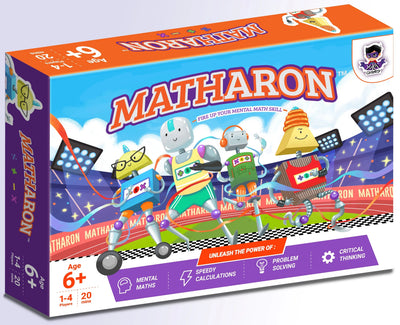
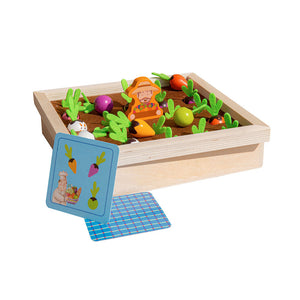
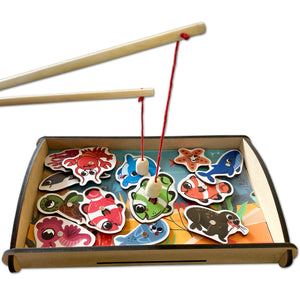
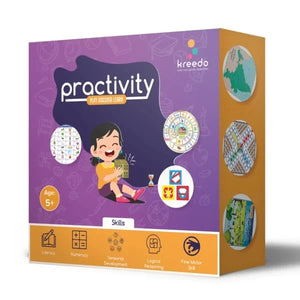
SkilloToys aligns with this vision by providing educational resources that complement a holistic approach. Our activity kits, for instance, are designed to foster critical thinking, creativity, and fine motor skills—all essential components of a well-rounded education. This integrated learning prepares children not just for competitive exams, but for the diverse opportunities and challenges of a rapidly evolving India, ensuring they can adapt, innovate, and contribute meaningfully to society.
The move towards holistic development in Indian primary schools marks a vital step forward, promising a future where children are nurtured in all dimensions. It empowers parents to choose educational paths that truly serve their child's comprehensive growth, fostering confident, compassionate, and capable individuals.
- Progressive Indian schools are now actively integrating life skills like gardening and emotional development into their core curricula.
- This shift directly addresses the high academic pressure traditionally faced by primary school children in India.
- Montessori principles naturally align with holistic education, emphasizing self-directed learning and practical life skills.
- Studies consistently show that a balanced curriculum improves children's cognitive flexibility and problem-solving abilities.
- Reducing academic pressure in early years promotes intrinsic motivation and prevents burnout, fostering a lifelong love for learning.
- The integration of life skills prepares Indian children to be adaptable, empathetic, and critical thinkers for a dynamic future.
What does holistic development mean for my child's future in India?
Holistic development prepares your child for a future beyond exams by nurturing critical thinking, emotional intelligence, creativity, and adaptability. This approach ensures they are resilient and well-equipped to thrive in a dynamic global and Indian society, fostering lifelong learning and well-being.
How can I identify a progressive school in India that prioritizes holistic development?
Look for schools that integrate practical life skills, art, music, physical education, and socio-emotional learning into their core curriculum. Progressive schools often emphasize project-based learning, inquiry, democratic participation, and a low student-teacher ratio, valuing exploration over rote memorization.
Are Montessori schools considered a holistic approach to education?
Yes, Montessori education inherently embodies a holistic approach by focusing on the child's complete development – intellectual, emotional, social, and physical. Its emphasis on self-directed learning, practical life activities, and sensorial exploration cultivates independence, concentration, and a love for learning.
How can Indian parents support holistic development at home?
Parents can support holistic development by encouraging free play, reading diverse books, involving children in household chores, and fostering emotional literacy through open communication. Providing age-appropriate educational toys and activity kits that promote exploration and problem-solving is also highly beneficial.
Does focusing on holistic development mean neglecting academics in primary school?
Absolutely not. Focusing on holistic development strengthens academic foundations by improving concentration, problem-solving abilities, and a child's intrinsic motivation to learn. It ensures that academic achievement is rooted in a deep understanding and love for learning, rather than just rote memorization.