Home Learning During Heatwave India: Montessori for Continuity
Maintaining learning continuity and well-being for primary schoolers during school closures due to extreme heat requires a structured yet flexible home environment, incorporating Montessori principles. By fostering independence and engagement through purposeful activities, parents can ensure children continue to learn and develop even outside the classroom. The recent Rediff report highlighting that 70% of children in India missed school due to extreme heat during May-June underscores the urgent need for effective home learning during heatwave India strategies.
This widespread disruption presents unique challenges for Indian parents, who often balance academic pressures with the need for their child's holistic development. Montessori philosophy offers a powerful framework to turn these challenging periods into opportunities for meaningful growth and exploration, right within the comfort of your home.
What is Learning Continuity During School Closures Due to Extreme Heat?
Learning continuity during school closures due to extreme heat refers to maintaining consistent educational progress and emotional well-being for children despite disruptions. This matters because extended breaks can lead to learning loss and anxiety, especially for primary schoolers aged 5-8 years. Indian parents can implement structured home routines with engaging, age-appropriate Montessori-inspired activities.
Prioritising Well-being During Extreme Heat: A Holistic View
Child development experts agree that a child's well-being is paramount, especially when facing disruptions like those caused by extreme heat. The mental and physical comfort of children who have children missed school heatwave is crucial for any learning to occur. Ensure your child is well-hydrated, dressed in light, breathable fabrics, and has access to cool, quiet spaces.
The Montessori approach, known for its child-centric nature, naturally supports this by advocating for an environment that respects the child's needs. Encourage ample rest, storytelling with grandparents, and quiet activities that don't overstimulate. This period is not just about academics, but also about reinforcing family bonds and emotional security.
Crafting an Engaging Home Learning Environment: Montessori Activities Extreme Heat
Creating a "prepared environment" at home is central to Montessori and becomes even more vital during school closures. This involves organising spaces with accessible materials that invite exploration and learning, tailored for Montessori activities extreme heat conditions. Think about practical life activities like helping with simple household chores, preparing snacks, or watering indoor plants.
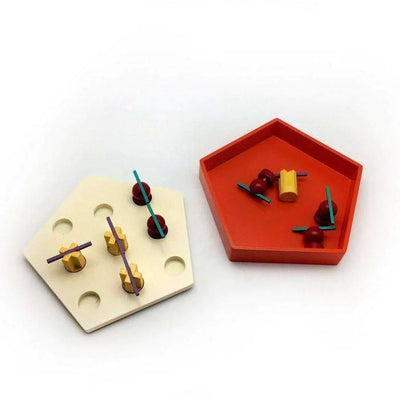
These activities not only build practical skills but also foster concentration and independence. Research shows that children thrive in environments where they have agency and purpose. Integrating puzzles that develop spatial reasoning and problem-solving skills, or engaging in simple art and craft projects, can keep young minds active and engaged.
Fostering Independence and Self-Directed Learning for Primary Schoolers
The early school years (5-8 years) are a critical time for developing a sense of self and independence. The Montessori method champions self-directed learning, allowing children to choose activities that pique their interest, which is particularly effective for early school years development. This approach reduces the pressure often associated with formal schooling and transforms learning into an enjoyable journey.
Offer a selection of engaging materials and observe what your child gravitates towards. Perhaps they are fascinated by numbers, or deeply interested in the natural world. Providing activity kits that allow for independent exploration, such as science experiments or cultural crafts, empowers them to follow their innate curiosity. This freedom, within limits, cultivates deep concentration and a love for learning that extends beyond the classroom.
Structured Flexibility: Maintaining Learning Continuity Primary School
While flexibility is key during a heatwave, maintaining a loose routine provides comfort and structure, essential for learning continuity primary school children. A schedule might include dedicated learning blocks, creative play, rest periods, and family time. Remember, the goal is not to replicate school exactly, but to provide a consistent, stimulating environment.
For instance, mornings could involve academic-focused activities, followed by quieter, creative pursuits in the afternoon. Integrate local stories, Indian mythological tales, or even help in preparing traditional dishes, turning everyday life into rich learning experiences. Studies indicate that predictable routines significantly reduce anxiety and enhance children's ability to cope with change.
Leveraging Montessori Materials for Continued Growth: Educational Toys for Home Learning
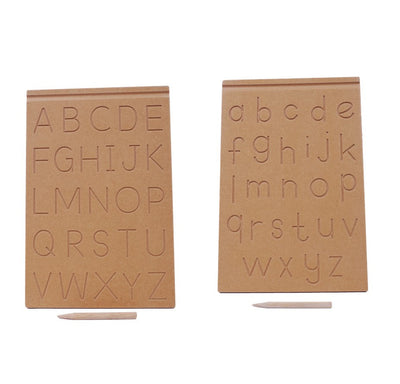
Montessori materials are designed to be self-correcting and highly engaging, making them ideal educational toys for home learning. For children aged 5-8, materials like the Golden Beads for understanding place value, the Sandpaper Letters for tactile phonics, or geometry solids for exploring shapes can provide concrete learning experiences. These materials naturally bridge the gap left by school closures.
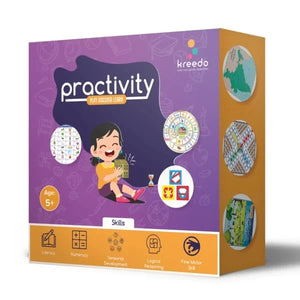
Investing in quality Montessori materials ensures that children continue to develop foundational skills in mathematics, language, and practical life. Maria Montessori emphasised that children learn best by doing, and these tools offer hands-on opportunities for discovery. Explore a wide range of authentic Montessori method learning materials & toys to enrich your home learning environment and support your child's natural drive for knowledge.
Navigating school closures due to extreme heat can feel daunting for Indian parents. However, by embracing a Montessori approach focused on well-being, a prepared environment, fostering independence, and structured flexibility, you can ensure your child not only maintains learning continuity but also thrives holistically. This period offers a unique chance to strengthen family bonds and cultivate a lifelong love for learning, even from home.
- Maintaining learning continuity during extreme heat closures prevents learning loss and supports emotional well-being.
- The Montessori approach prioritises a child's holistic development, focusing on physical and emotional comfort.
- A "prepared environment" at home, rich with engaging and accessible materials, is crucial for self-directed learning.
- Fostering independence through choice and purpose-driven activities significantly aids primary schoolers' development.
- Flexible yet structured routines reduce anxiety and create a predictable home learning environment.
- Montessori educational materials are self-correcting tools that offer concrete learning experiences for foundational skills.
How can I make home learning engaging during a heatwave for my primary schooler?
Make home learning engaging by offering a variety of Montessori-inspired practical life activities, sensorial exploration, and art projects that appeal to your child's interests. Incorporate short, focused learning blocks interspersed with ample creative play and rest to prevent fatigue in the heat.
What are the benefits of a Montessori approach during school closures due to extreme heat?
A Montessori approach during heatwave school closures benefits children by fostering independence, concentration, and a love for self-directed learning. It provides a structured yet flexible framework that prioritises the child's well-being and allows for continued development at their own pace, reducing academic pressure.
How important is routine when children miss school due to heatwave conditions?
Routine is highly important when children miss school due to heatwave conditions as it provides a sense of predictability and security, reducing anxiety. While remaining flexible for comfort, a gentle schedule for learning, play, and rest helps maintain normalcy and supports learning continuity effectively.
Are educational toys truly effective for home learning during extreme heat?
Yes, educational toys, particularly Montessori materials, are highly effective for home learning during extreme heat as they are designed for hands-on, self-correcting exploration. They keep children engaged indoors, supporting the development of critical thinking, fine motor skills, and academic concepts without the need for excessive screen time or strenuous outdoor activities.
How can parents balance academic pressure with holistic development during school closures in India?
Parents can balance academic pressure with holistic development by adopting a Montessori-inspired, anti-pressure approach, focusing on skill-building and exploration rather than rote memorisation. Prioritise well-being, encourage practical life skills, and integrate cultural learning alongside academic activities to ensure comprehensive growth during these periods.