Kannada Vowels: Montessori Guide for Primary Kids (5-8)
Mastering Kannada vowels, or Swaragalu, for primary schoolers aged 5-8 is made engaging and effective through Montessori principles. This approach emphasizes hands-on, multi-sensory learning, moving beyond rote memorization to foster a deep, intuitive understanding of the language. Research shows that early, joyful exposure to foundational language elements significantly boosts cognitive development and literacy.
Kannada vowels are the 13 fundamental sounds (ಅ, ಆ, ಇ, ಈ, ಉ, ಊ, ಋ, ಎ, ಏ, ಐ, ಒ, ಓ, ಔ) that form the building blocks of the Kannada language. This matters immensely because a strong grasp of these sounds is essential for reading, writing, and speaking fluently. Indian parents can empower their children by introducing these vowels through playful, Montessori-aligned activities at home, fostering a love for their regional language.
Understanding Kannada Aksharamala for Kids: The Montessori Way
The Kannada Aksharamala, or alphabet, is a beautiful and systematic collection of letters. The Montessori method breaks down this complex system into manageable, sensory-rich experiences, making it accessible even for young children. Instead of overwhelming primary schoolers with all 49 letters at once, the focus begins with the Swaragalu (vowels) and then moves to the Vyanjanagalu (consonants).
Child development experts agree that children aged 5-8 are in a sensitive period for language acquisition, making it an opportune time to introduce foundational elements. By isolating the sounds and shapes of Kannada vowels using tactile materials, children can internalize them naturally. This systematic, hands-on approach helps children connect the visual form of the letter with its corresponding sound, preparing them for more complex reading and writing.
Why Focus on Kannada Vowels (Swaragalu) in Early Years?
Focusing on Kannada vowels (Swaragalu) in the early school years provides a critical linguistic foundation for children, particularly in India's diverse linguistic landscape. While 98% school enrolment has been achieved, learning outcomes remain India’s next education challenge, as highlighted by ETEducation. A robust understanding of native language components, learned without pressure, directly addresses this challenge by improving literacy and communication skills.
Studies indicate that children who are proficient in their mother tongue often demonstrate better cognitive flexibility and problem-solving skills. For parents managing academic pressure, the Montessori approach offers a balanced perspective, prioritizing holistic development over rote learning. It transforms the task of teaching Kannada to children into an exploration, ensuring they learn Kannada for kids not just for school, but for a lifetime of confident communication within their cultural context, especially in a city like Bengaluru where Kannada is central.
Montessori Strategies to Teach Kannada Vowels to Children
Teaching Kannada vowels effectively with Montessori involves engaging multiple senses. The primary goal is to help children associate the sound of the vowel with its written symbol and understand its role in forming words. This hands-on process is fundamental to how children learn Kannada for kids effectively.
Tactile Exploration with Sandpaper Letters
Maria Montessori's genius shines through materials like Sandpaper Letters. For Kannada, create or acquire Montessori method learning materials that allow children to trace the shape of each Kannada vowel with their fingers. As they trace, they simultaneously hear the sound, creating a powerful sensory memory. This multisensory input cements the letter's form and sound in their minds, laying the groundwork for reading and writing.
Phonetic Awareness with Moveable Alphabets
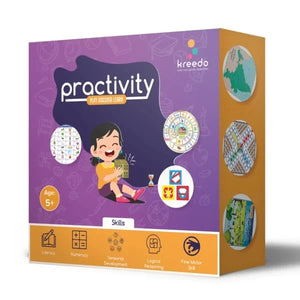
Once children recognize individual vowels, introduce the Kannada Moveable Alphabet. This allows them to independently build simple two or three-letter words using the vowels and then introduce consonants. This self-directed activity encourages phonetic awareness and word formation without the pressure of handwriting. Parents can guide them to form words like ಅಪ್ಪ (appa), ಅಮ್ಮ (amma), or ಆಟ (aata), making learning relatable and fun. Explore a range of activity kits that support this kind of language play.
Engaging Games and Puzzles
Turn learning into play! Use puzzles featuring Kannada vowels where children match the letter to an image starting with that sound. Storytelling that emphasizes words containing specific vowels, or singing Kannada nursery rhymes, can also make the process enjoyable. These interactive methods keep children engaged, reinforcing their learning in a joyful, non-threatening manner. This fosters a natural curiosity about kannada alphabets for kids.
Creating a Nurturing Environment for Learning Kannada at Home
A supportive home environment is paramount for effective language acquisition, especially in a joint family setup. Integrate Kannada into daily conversations and routines. Grandparents, with their rich repository of stories and traditional songs, can play a vital role. Encourage them to share folklore, sing lullabies, or narrate family histories in Kannada. This not only strengthens familial bonds but also provides authentic language exposure.
Celebrations and festivals offer another excellent opportunity. During Diwali or Ganesha Chaturthi, use Kannada phrases and explain the significance of rituals in the local language. Label objects around the house with their Kannada names. This consistent, organic exposure helps children absorb the language naturally, seeing it as an integral part of their cultural identity rather than just an academic subject. The rising cost of learning in India, as noted by India Development Review, underscores the value of leveraging home environments for foundational education, reducing external pressure and expense.
- Montessori methods offer an effective, multi-sensory approach to teaching Kannada vowels to primary school children.
- Early exposure to Kannada vowels (Swaragalu) between ages 5-8 significantly enhances a child's linguistic foundation and cognitive development.
- Tactile materials like Sandpaper Letters are crucial for linking the visual form of Kannada vowels with their phonetic sounds.
- Engaging in playful activities, such as building words with Moveable Alphabets, promotes phonetic awareness and self-directed learning.
- A culturally rich home environment, especially with grandparent involvement, provides invaluable, pressure-free exposure to the Kannada language.
- Integrating regional language learning addresses broader educational challenges by improving literacy outcomes without adding academic pressure.