Malayalam Activities for Kids: Montessori Learning 5-8 Years
Montessori activities are unequivocally effective for teaching primary schoolers (5-8 years) the **Malayalam** language, fostering natural acquisition without academic pressure. By engaging children through hands-on, multi-sensory experiences, this method ensures a foundational understanding and a lifelong love for their regional language. This approach directly addresses the growing need for practical, engaging methods for language learning in Indian homes, steering clear of the rote memorization that often overwhelms young minds.
Montessori Malayalam learning involves creating a prepared environment where children can interact with specially designed materials to explore sounds, letters, and words at their own pace. This matters because it respects the child's natural developmental stages, making learning joyful rather than a chore. Indian parents can effectively integrate these activities into their daily routines, turning language acquisition into a delightful family experience.
Sensory Engagement for Malayalam Alphabet Mastery
Research shows that tactile and sensory engagement significantly enhances memory and retention in young children, making it ideal for learning the Malayalam alphabet. Instead of merely looking at letters, Montessori activities encourage children to feel the contours of each 'aksharam'. This hands-on method ensures a deeper understanding than traditional rote learning.
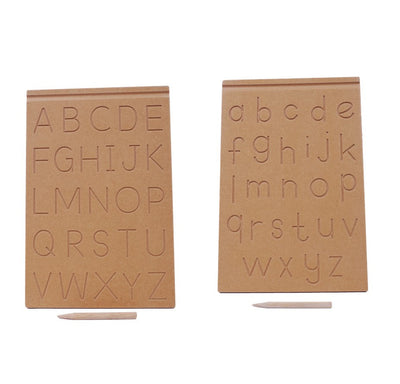
Using materials like sandpaper Malayalam letters, children trace the shapes, associating the tactile sensation with the visual form and the phonetic sound. This multi-sensory input helps them internalize the script more effectively. Parents can also create DIY alphabet puzzles from local cardboard, transforming learning into a fun, interactive game during family gatherings, fostering a sense of community around learning.
Interactive Malayalam Activities for Kids
Engaging children in interactive Malayalam activities for kids is crucial for developing fluency and confidence. Role-playing simple scenarios, such as visiting a market or greeting family members, allows children to practice conversational Malayalam in a playful context. These scenarios, often inspired by everyday Indian life, help contextualize vocabulary and sentence structures naturally.
Storytelling, especially traditional Kerala folk tales or stories about local festivals like Onam and Vishu, provides a rich linguistic and cultural immersion. Children can use puppets or small figures from activity kits to re-enact stories, strengthening their comprehension and expression. Such activities empower children to use language creatively, rather than feeling pressured by strict grammar rules.
Fostering Early Literacy: Learn Malayalam 5-8 Years Through Play
For children aged 5-8 years, fostering early literacy in Malayalam through play capitalizes on their innate curiosity and love for exploration. Montessori principles advocate for movable alphabet sets, where children physically arrange letters to form words and simple sentences. This tactile process demystifies word construction and grammar.
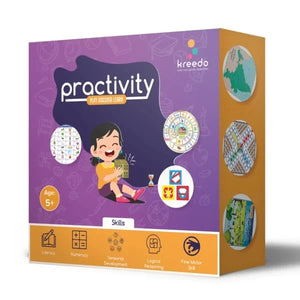
Picture-word matching games, where children connect images of familiar objects (like 'naarikkel' for coconut or 'kappal' for ship) with their Malayalam names, build vocabulary naturally. SkilloToys offers various puzzles that can be adapted to this purpose, helping children recognize and remember words. Studies indicate that play-based learning improves engagement and academic outcomes by up to 30% compared to traditional methods, alleviating the stress often associated with academic pressure in India.
Creating a Rich Malayalam Learning Environment at Home
Establishing a prepared environment at home is fundamental to Montessori Malayalam learning, offering children independence and choice. This means dedicating a small, organized space with accessible Malayalam books, language cards, and creative materials. Children thrive when they can freely choose activities that pique their interest, fostering intrinsic motivation.
Encourage conversations in Malayalam during daily chores, cooking, or visits with grandparents, whose wisdom and stories are invaluable. The rising cost of formal learning in India highlights the importance of effective home-based educational strategies, making a Montessori-inspired environment a valuable investment. Remember, consistency and positive reinforcement are more impactful than strict schedules or demanding perfection.
The Montessori Advantage in Learning Regional Languages
The Montessori approach provides a holistic framework for learning regional languages, transcending mere linguistic acquisition to encompass cultural understanding and cognitive development. Maria Montessori herself emphasized the importance of a child's environment in shaping their learning journey. This method inherently aligns with the need for balanced development, as underscored by recent government initiatives making health education material mandatory for schoolchildren, acknowledging the importance of overall well-being alongside academics.
By integrating Malayalam learning with sensory exploration, practical life skills, and cultural exposure, children develop a deep connection to their heritage. This prevents the learning of a regional language from becoming just another subject on a demanding school curriculum, often a source of stress for Indian parents and children alike. Instead, it becomes an empowering journey of discovery and identity for the child.
- Montessori methods effectively teach Malayalam to 5-8 year olds through hands-on, multi-sensory activities.
- Tactile materials like sandpaper letters significantly improve memory and retention for Malayalam alphabets.
- Interactive activities such as role-playing and storytelling foster practical fluency and cultural connection.
- Play-based learning, using adapted Montessori materials, builds Malayalam vocabulary and sentence formation naturally.
- Creating a prepared home environment with accessible language resources supports child-led Malayalam learning.
- The Montessori approach reduces academic pressure, focusing on holistic development and cultural immersion in language acquisition.