Malayalam Letters: A Montessori Guide for 5-8 Year Olds
Mastering malyalam letters with pictures for primary schoolers (5-8 years) is most effectively achieved through a multi-sensory Montessori approach that respects a child's natural learning pace. Research shows that children acquire language best when engaged actively with materials, fostering not just literacy but also a deep cultural connection. For Indian parents navigating academic expectations, this guide offers a balanced path to regional language proficiency.
In today's fast-paced world, parents in Bengaluru and across India often grapple with ensuring their children master regional languages like Malayalam without undue stress. This guide from SkilloToys provides actionable Montessori-inspired strategies to make learning Malayalam letters a joyful and effective journey for children aged 5-8 years, transforming a potential pressure point into an enriching experience.
What is Montessori Malayalam Alphabet Learning?
Montessori Malayalam alphabet learning involves engaging children with tactile, visual, and auditory materials to internalize letter shapes and sounds. This method matters because it builds a strong foundation in regional language literacy without rote memorization, crucial for a child's holistic development. Indian parents can integrate these playful, hands-on techniques at home, complementing their child's formal schooling.
This approach moves beyond simply seeing and repeating, instead allowing children to feel the form of each letter, connect its sound, and then visualize it. This multi-sensory engagement is foundational to Maria Montessori's philosophy, promoting deeper understanding and retention for language development in children aged 5-8 years.
Why Montessori Works for Malayalam Letters for Kids (5-8 Years)
The Montessori method excels in teaching Malayalam letters for kids aged 5-8 years by aligning with their natural developmental stages. Children in this primary school phase are concrete thinkers who benefit immensely from hands-on exploration. This method allows them to engage all their senses, solidifying their understanding of each unique letter form and its corresponding sound.
Studies indicate that children learning through multi-sensory methods demonstrate improved retention and understanding compared to traditional rote learning, with a reported 20-30% higher engagement rate in language tasks. This makes learning complex scripts, like Malayalam, more accessible and less intimidating. Furthermore, the self-directed nature of Montessori learning empowers children, building their confidence as they master each letter at their own pace.
Hands-On Activities to Learn Malayalam Primary School Letters
Engaging children in playful, hands-on activities is key to helping them learn Malayalam primary school letters effectively. Simple materials found around an Indian home, combined with purposeful Montessori-inspired tasks, can create a rich learning environment. This approach fosters a love for language and culture, rather than viewing it as a chore.
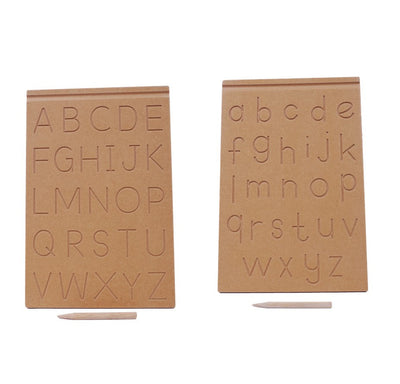
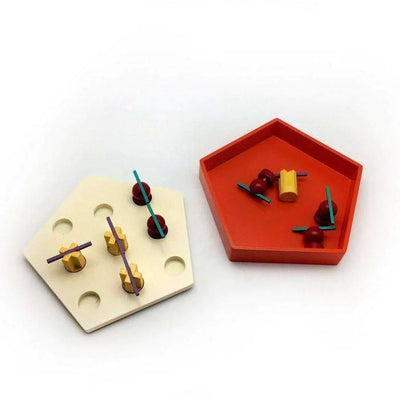
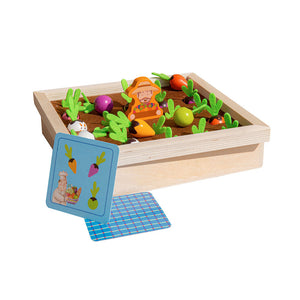
Start with activity kits designed for language exploration, or create your own. Tracing Malayalam letters in sand or salt trays, forming letters with playdough, or using puzzles featuring Malayalam characters are all excellent ways to introduce the alphabet. These activities build fine motor skills essential for writing, while making learning an enjoyable game. Grandparents, with their wealth of stories, can introduce letters through narratives, linking them to familiar words and cultural contexts, making regional language learning India a truly communal effort.
Fostering Regional Language Learning India with Montessori
For parents concerned about regional language learning India, especially amidst academic pressures, the Montessori approach offers a gentle yet effective solution. It prioritizes the child's readiness and interest, rather than pushing them through a rigid curriculum. This holistic perspective ensures that language acquisition becomes an organic part of their growth, enriching their cultural identity.
Child development experts agree that the 5-8 year age range is a critical period for language acquisition, with the brain's neuroplasticity peaking, making structured, engaging methods like Montessori highly effective. Incorporating Malayalam through songs, rhymes, and simple conversations at home reinforces formal learning. As recent discussions highlight the importance of holistic development, even with government initiatives making health education material mandatory for schoolchildren, balancing academic rigour with cultural enrichment through language is paramount for a well-rounded child.
Choosing Effective Malayalam Educational Toys for Home
Selecting the right Malayalam educational toys can significantly enhance a child's learning experience, transforming abstract concepts into tangible explorations. When choosing materials, look for items that are durable, aesthetically pleasing, and self-correcting, empowering the child to learn independently. This aligns perfectly with the Montessori philosophy, encouraging self-discovery and problem-solving.
Consider tactile Malayalam alphabet sets, phonetic matching games, and storybooks that introduce new vocabulary. These resources provide repeated exposure to letters and sounds in various contexts. Explore SkilloToys' comprehensive collection of Montessori method learning materials and toys designed to support language development and cultural understanding for primary school children. Such thoughtfully chosen materials make the process of mastering Malayalam letters enjoyable and effective.
Supporting Diverse Learning Needs and Anti-Pressure Parenting
The Montessori approach is inherently inclusive, offering benefits to children with diverse learning styles and paces. This is particularly relevant in India, where discussions around whether children with special needs are enrolled in schools are ongoing. Montessori classrooms and home environments are designed to adapt to individual needs, allowing every child to thrive without feeling overwhelmed or left behind.
For Indian parents, adopting an anti-pressure stance means celebrating small milestones in Malayalam letter learning and focusing on intrinsic motivation. The goal is not just to teach the alphabet, but to cultivate a genuine love for learning and their regional language. By offering stimulating materials and a supportive environment, we empower children to embrace their heritage with confidence and joy, balancing academic goals with overall well-being, as highlighted by broader conversations on school education and its reimbursement frameworks.
- The 5-8 year age range is ideal for structured regional language learning like Malayalam, capitalizing on a child's developing cognitive abilities.
- Montessori's multi-sensory methods, using tactile and visual materials, significantly improve Malayalam letter recognition and retention.
- Engaging in playful, hands-on activities at home, such as tracing and puzzles, makes learning Malayalam primary school letters joyful and effective.
- Integrating regional language learning through cultural stories and songs fosters a deeper connection to heritage without academic pressure.
- Choosing high-quality Montessori Malayalam educational toys supports independent learning and builds foundational literacy skills.
- The Montessori approach is highly adaptable for diverse learners, promoting an inclusive environment where all children can master Malayalam letters at their own pace.