Montessori for Special Needs Children in India: A Parent's Guide
Montessori for special needs children India offers a deeply effective and individualized educational framework, proving instrumental in supporting diverse learning needs within primary school settings. This approach, pioneered by Dr. Maria Montessori, focuses on fostering independence and self-directed learning, which is particularly beneficial for children requiring tailored support.
As the national conversation around inclusive education intensifies, highlighted by articles in The Hindu discussing the enrollment of children with special needs, Indian parents are seeking robust solutions. This guide explores how the Montessori philosophy, with its inherent flexibility and focus on the whole child, provides a powerful pathway to successful primary schooling and holistic development for these children.
Montessori for special needs children in India is an individualized educational approach focused on hands-on, self-paced learning. This matters because it fosters independence and holistic development for diverse needs. Indian parents can advocate for this approach in schools and use Montessori-inspired practices at home.
Inclusive Education in Indian Primary Schools: A Montessori Advantage
The quest for inclusive education primary school India faces unique challenges, from infrastructure to societal perceptions. Recent news, such as The Hindu's query 'Are children with special needs enrolled in schools in India?', underscores the urgent need for effective integration strategies that truly serve every child.
Child development experts agree that a truly inclusive environment celebrates diversity and adapts to individual learning styles, rather than expecting all children to fit a single mould. The Montessori method inherently champions this by creating a prepared environment where children with varied abilities learn side-by-side, fostering mutual respect and understanding.
Research indicates that inclusive classrooms lead to improved academic and social outcomes for all students, including those with special needs. A Montessori classroom, with its multi-age grouping and focus on collaborative work, naturally supports this by allowing children to progress at their own pace without the pressure of rigid curricula, which is particularly vital in the often high-pressure Indian academic landscape.
Montessori Individualized Learning: Tailoring Education for Every Child
At the core of the Montessori philosophy is the principle of Montessori individualized learning, which perfectly aligns with the needs of children requiring special support. Dr. Maria Montessori observed that children learn best when given the freedom to choose their activities and work at their own pace within a structured environment.
For children with learning disabilities or other special needs, this means that lessons are presented one-on-one or in small groups, allowing the educator to adapt the material and presentation style to suit the child's specific learning profile. This personalized attention ensures that concepts are grasped thoroughly, building a strong foundation rather than pushing a child through material they haven't mastered.
Studies consistently show that children thrive when their unique learning styles are acknowledged and supported. The Montessori classroom, with its emphasis on observation and tailored guidance, empowers children with special needs to develop self-confidence and a love for learning, reducing anxiety often associated with traditional schooling.
Supporting Learning Disabilities in India: Montessori Principles at Home
Supporting learning disabilities India extends beyond the classroom walls and into the heart of the home. Indian parents, often supported by joint families and grandparents, can create a Montessori-inspired home environment that significantly aids their child's development. This involves creating a 'prepared environment' at home, just as in a Montessori classroom.
Establish clear routines, provide child-sized tools, and designate specific, organized spaces for play and learning. Engage your child in practical life activities like setting the table, helping with laundry, or watering plants, which build concentration, coordination, and independence. These everyday tasks, when presented meaningfully, become powerful learning opportunities.
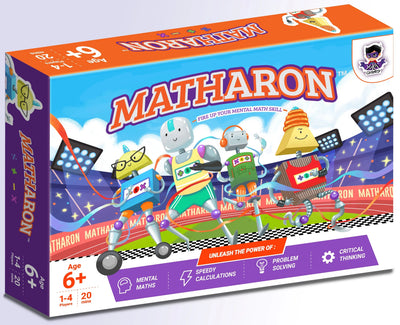
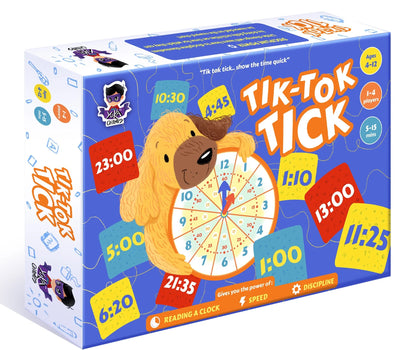
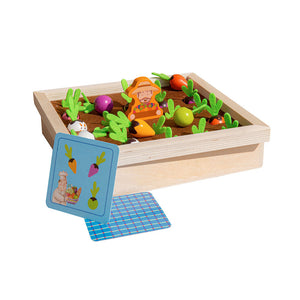
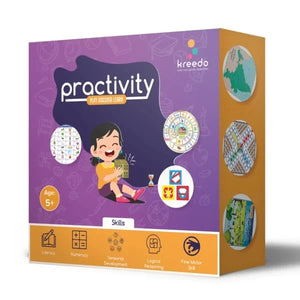
Incorporate hands-on activity kits and puzzles that encourage problem-solving and fine motor skills. SkilloToys offers a range of materials designed to engage children actively, supporting cognitive and sensory development in a joyful way. Remember, the goal is not to rush learning, but to foster curiosity and competence at the child's natural pace.
Educational Toys for Special Needs: Montessori Materials for Development
Choosing the right educational toys for special needs children is paramount to their developmental journey. Montessori materials are specifically designed to be self-correcting, hands-on, and purposeful, making them incredibly effective tools for children with diverse learning requirements.
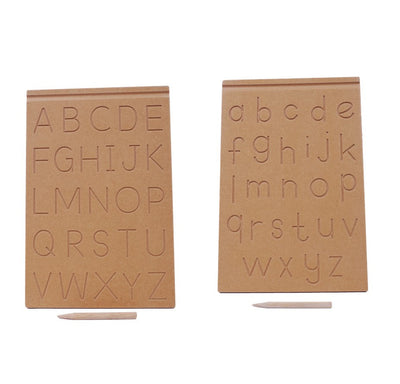
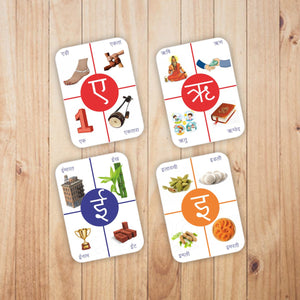
Consider the Montessori method learning materials like the Pink Tower, which builds visual discrimination and spatial awareness, or Sandpaper Letters, which provide a multi-sensory approach to literacy. These materials isolate concepts, allowing children to focus on one skill at a time, which is particularly helpful for those who may get overwhelmed by too much information.
By engaging with these materials, children develop concentration, fine motor skills, and problem-solving abilities. The tangible nature of Montessori tools helps children grasp abstract concepts through concrete experiences, providing a solid foundation for future learning and boosting their confidence in their own capabilities.
Special Education Resources in India: Connecting with Support Networks
Accessing appropriate special education resources India is a critical step for parents. This involves actively seeking out professional guidance and collaborating closely with schools. As government initiatives, like making health education material mandatory, aim to support schoolchildren, parents can also find strength in community networks.
Connect with other parents of children with special needs through local support groups or online forums, particularly in cities like Bengaluru where resources are often more concentrated. Sharing experiences and strategies can provide invaluable emotional support and practical advice. Moreover, building a strong partnership with your child's teachers and school administrators is essential.
Advocate for your child's needs, discuss their Individualized Education Plan (IEP), and explore what special education services or accommodations the school can provide. Remember, you are your child's strongest advocate, and a collaborative approach with educators ensures that their unique requirements are met effectively.
- Montessori provides an individualized, effective framework for special needs children in Indian primary schools.
- Inclusive Montessori environments naturally support diverse learning styles and foster mutual respect among children.
- Parents can apply Montessori principles at home by creating prepared environments and encouraging practical life skills.
- Montessori educational materials are self-correcting and purpose-driven, significantly aiding children with special needs.
- Accessing special education resources and forming parent-teacher partnerships are crucial for comprehensive support in India.
- The Montessori approach prioritizes holistic development over academic pressure, benefiting children with diverse learning needs.
Is Montessori effective for all types of special needs?
Yes, the Montessori approach is highly adaptable and beneficial for a wide spectrum of special needs, including learning disabilities, ADHD, and some forms of autism. Its individualized nature allows for tailored learning experiences that respect each child's pace and style, focusing on strengths while addressing challenges.
How can I find a Montessori school for my special needs child in India?
Begin by researching accredited Montessori schools in your city, like Bengaluru, and inquire specifically about their inclusion policies and experience with special needs children. It is crucial to visit the school, observe classrooms, and discuss your child's specific requirements with the educators and special education coordinators.
What kind of Montessori toys are best for a child with learning disabilities?
For children with learning disabilities, sensory-rich, self-correcting Montessori materials are ideal. Examples include sandpaper letters and numbers for tactile learning, knobbed cylinders for fine motor skills, and logical puzzles that develop problem-solving abilities. These materials provide immediate feedback, allowing children to learn independently.
Can Montessori principles be applied at home without a trained teacher?
Absolutely. Many Montessori principles, such as creating a prepared environment, fostering independence, and encouraging practical life skills, can be effectively applied at home. Focus on child-sized furniture, organized spaces, and age-appropriate chores to empower your child and support their development.
How does Montessori support a child's social development with special needs?
Montessori classrooms foster a mixed-age environment where cooperation and peer learning are natural. This structure allows children with special needs to observe and learn from older children, practice social graces, and develop empathy in a supportive, less competitive setting, enhancing their social integration and confidence.