Telugu Letters with Pictures: Montessori Guide for Primary Kids
For primary schoolers aged 5-8, mastering telugu letters with pictures is a definitive pathway to foundational literacy and cultural connection in India. This multi-sensory approach ensures that children not only recognise the script but also associate it with meaningful sounds and images, laying a strong groundwork for reading and writing. Child development experts agree that early exposure to regional languages, especially with visual aids, significantly boosts cognitive development and academic success.
Learning Telugu letters with pictures involves connecting each alphabet character with a relatable image, facilitating recognition and retention. This matters because it makes abstract linguistic concepts tangible for young minds, leveraging their natural curiosity and visual memory. Indian parents can effectively support their child's language journey by integrating these visual and tactile learning methods at home, transforming a potentially stressful task into an enjoyable exploration.
In India, where linguistic diversity is a core strength, helping children connect with their regional roots through language is paramount. With the recent challenges like school disruptions due to extreme heat or evolving education policies, providing stable, engaging home-based learning resources is more crucial than ever. Montessori methods offer a balanced, anti-pressure approach, ensuring holistic development even amidst external pressures.
Why Montessori Excels for Learning Telugu Letters with Pictures
Montessori education fundamentally supports children in learning Telugu letters with pictures through its emphasis on hands-on, self-directed discovery. Research shows that children engaged with multi-sensory materials demonstrate superior retention and understanding of complex subjects, including language. Maria Montessori's philosophy prioritises concrete experiences over abstract instruction, making it ideal for introducing the intricate Telugu varnamala.
This method acknowledges that children aged 5-8 learn best by doing, seeing, and feeling. For instance, using sandpaper letters for Telugu allows a child to trace the letter form, associating the tactile sensation with the visual shape and phonetic sound. This simultaneous engagement of multiple senses – touch, sight, and hearing – builds stronger neural pathways, making the learning process deeply effective and memorable. It naturally reduces the academic pressure often associated with language acquisition in Indian schools, fostering a love for learning rather than fear of memorisation.
Engaging Telugu Alphabet Activities for Primary Schoolers
Incorporating interactive telugu alphabet activities is essential for effective and joyful language acquisition. Studies indicate that play-based learning environments significantly enhance a child's motivation and learning outcomes. These activities move beyond traditional rote memorisation, inviting children to actively participate in their learning journey.
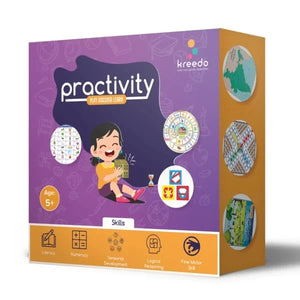
Parents can utilise resources like puzzles specifically designed for language learning. Alphabet puzzles, where each piece features a Telugu letter and a corresponding picture, encourage problem-solving while reinforcing letter-sound associations. Another powerful tool is creating simple DIY picture cards or using commercial Telugu alphabet activity kits that pair letters with images of familiar Indian objects, animals, or foods. For instance, 'అ' for 'అమ్మ' (Amma - mother) or 'క' for 'కారు' (Caru - car), making the learning immediately relevant and relatable to their daily lives and joint family settings.
Nurturing Telugu Language for Primary Schoolers Beyond Books
For children aged 5-8, developing telugu language for primary schoolers extends far beyond textbooks and formal lessons. Authoritative sources like the National Education Policy (NEP) 2020 in India underscore the importance of mother-tongue instruction and a rich linguistic environment. A child's fluency is significantly boosted by consistent exposure and active use of the language in daily life.
Engage children in conversations in Telugu, tell them stories from Indian mythology or family history in their regional language, and encourage them to articulate their thoughts and feelings. Grandparents, with their wealth of stories and songs, play an invaluable role in this. Visiting local markets and identifying objects using their Telugu names, or even singing traditional Telugu folk songs during festivals, can make learning an integral and joyous part of their cultural experience. This immersive approach ensures that children perceive Telugu not just as a subject, but as a living, breathing part of their identity.
Effective Strategies to Learn Telugu for Kids at Home
To truly learn telugu for kids effectively within the home environment, a structured yet flexible approach is key. SkilloToys.com champions the Montessori method, which advocates for prepared environments and purposeful materials. Start with the vowels (అచ్చులు - acchulu) and then move to consonants (హల్లులు - hallulu), introducing a few letters at a time to avoid overwhelming the child.
Utilise tactile materials such as tracing boards or Montessori language materials that isolate each letter. Encourage children to draw the letters, or even form them with clay or sand. Pair each letter with multiple images that start with that sound, reinforcing phonetic awareness. For example, for the letter 'ఆ', show pictures of 'ఆవు' (Aavu - cow) and 'ఆట' (Aata - play). Consistency, even for short 10-15 minute sessions daily, proves more beneficial than long, infrequent study periods, ensuring that learning remains a delightful routine rather than a chore.
Building Foundational Literacy with Telugu Varnamala for Kids
Establishing a strong grasp of the telugu varnamala for kids is the bedrock of future literacy. A systematic, step-by-step introduction to the entire alphabet ensures that no foundational gaps are left. Educational psychology studies confirm that a logical progression in learning leads to greater mastery and confidence in young learners.
Begin with clear pronunciation, using simple, pure sounds for each letter. Once individual letters are recognised, introduce two-letter and then three-letter words, always supported by pictures. This approach mirrors how children naturally acquire their first language, moving from sounds to words, and then to sentences. Encourage creative writing activities, even if it's just copying simple words, allowing children to practice forming the beautiful Telugu script. This progressive mastery reduces frustration and builds a child's self-esteem as they see their linguistic abilities grow.
Key Takeaways
- Learning Telugu letters with pictures leverages visual memory for effective retention in primary schoolers.
- Montessori methods provide a multi-sensory, hands-on approach crucial for foundational Telugu literacy.
- Engaging in play-based Telugu alphabet activities significantly reduces academic pressure and boosts motivation.
- Consistent exposure to the Telugu language in the home and cultural settings is vital for fluency.
- Utilising materials like sandpaper letters and alphabet puzzles enhances a child's self-directed learning.
- A systematic introduction to the Telugu varnamala, from letters to words, builds strong literacy foundations.