Toys for 4-Year-Old Boys: Primary School Success
For parents in India seeking the best toys for 4-year-old boys, Montessori materials offer a profound pathway to developing essential foundational skills for primary school success. These specially designed toys focus on fostering independence, concentration, and problem-solving, which are crucial attributes for a smooth transition into the formal education system. SkilloToys.com in Bengaluru understands the aspirations of Indian parents and curates resources to support holistic child development.
Foundational skills for primary school success encompass a child's readiness in cognitive, social-emotional, and physical domains. These include fine motor control, early literacy, logical thinking, and the ability to work independently or in groups. This matters because a strong foundation significantly impacts a child's confidence and performance in Class 1 and beyond. Indian parents can actively support this by providing age-appropriate, stimulating learning environments at home, fostering a joyful approach to learning rather than pressure.
Montessori Toys for 4 Year Olds: More Than Just Play
Montessori education, pioneered by Dr. Maria Montessori, emphasizes self-directed activity, hands-on learning, and collaborative play. For 4-year-old boys, this means engaging with materials that allow them to explore concepts at their own pace, building intrinsic motivation and a deep understanding. Research indicates that children who engage with hands-on, self-directed learning materials demonstrate greater academic readiness and a lifelong love for learning, rather than seeing it as a chore.
Unlike conventional toys that often dictate play, Montessori toys for 4 year olds are designed to isolate specific skills and encourage repeated, focused interaction. This approach naturally cultivates concentration, problem-solving, and perseverance, vital qualities for navigating the academic challenges of primary school. Parents and grandparents in Indian joint families often find these materials spark curiosity and meaningful interaction, transforming playtime into shared learning experiences.
Cultivating Foundational Skills for Primary School: What 4-Year-Old Boys Need
As children prepare for the 5-8 year age group of primary school, several key developmental areas require attention. For 4-year-old boys, these include enhancing fine motor skills for writing, developing early numeracy for mathematics, and fostering social-emotional intelligence for classroom interaction. Montessori materials provide direct avenues for mastering these competencies through engaging play, offering the best preschool learning toys boys can truly benefit from.
Studies show that strong fine motor skills at age four are highly correlated with early writing success in primary school. Materials like the Pink Tower, Knobbed Cylinders, or practical life activities involving pouring and transferring help refine hand-eye coordination and strengthen finger muscles. These activities are essential for preparing little hands for holding a pencil and forming letters with ease, laying a solid foundation for literacy.
Pre-Primary Educational Toys: Nurturing a Love for Learning
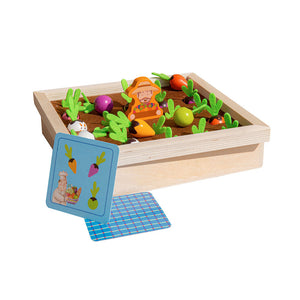
Choosing the right pre-primary educational toys can transform a child’s attitude towards learning from a chore into an adventure. For 4-year-old boys, toys that involve manipulation, construction, and imaginative play are particularly effective. These types of toys naturally align with a child's developmental stage, ensuring learning is engaging and never feels like undue pressure, crucial in the Indian educational landscape.
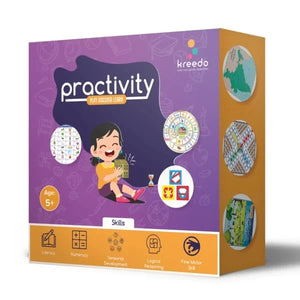
Consider activity kits that encourage creativity, exploration, and discovery. These not only introduce concepts like shapes, colors, and basic science but also foster problem-solving abilities and critical thinking. When learning is embedded in play, children are more likely to internalize concepts deeply and retain information for future academic endeavors, making school a positive experience.
Preparing for Class 1: Practical Life and Sensory Exploration
The transition to Class 1 in India can be significant, and readiness extends beyond academics to include practical life skills and sensory awareness. Montessori’s Practical Life exercises are fundamental for developing independence, concentration, and order – qualities that are highly valued in any classroom environment. These simple, purposeful activities, from dressing themselves to cleaning up, empower children with a sense of capability and self-reliance.
Sensory exploration is another cornerstone of early learning. Materials like Sandpaper Letters or various puzzles engage multiple senses, making abstract concepts concrete for young minds. For instance, feeling the texture of a letter while hearing its sound reinforces phonetic awareness, a crucial skill for early reading. This multi-sensory approach ensures that learning is holistic and accessible to diverse learners, including those who may have special educational needs, aligning with recent discussions on inclusive education in India.
Balanced Development: Beyond Academics
While academic readiness is important, holistic development ensures children are well-rounded, resilient individuals. For 4-year-old boys, this means fostering social-emotional skills, creativity, and physical coordination. In the context of the Indian education system, which often entails significant academic pressure, a balanced, anti-pressure approach is key to nurturing a happy, confident child.
Child development experts agree that a mix of structured play and free exploration is optimal for preschool children. Encouraging free play with open-ended materials, spending time outdoors in Bengaluru’s vibrant parks, and participating in family activities during festivals contribute immensely to a child’s social-emotional well-being and cultural understanding. This balanced approach helps mitigate the stress sometimes associated with early schooling and reinforces that learning is a joyful, continuous journey, preparing them not just for exams, but for life itself.
- Montessori toys for 4-year-old boys are highly effective in building foundational skills for primary school success.
- Strong fine motor skills at age four are statistically linked to better early writing performance.
- The Montessori approach cultivates independence, concentration, and a genuine love for learning through self-directed play.
- Practical Life exercises are crucial for developing self-efficacy and adapting to primary school routines.
- Multi-sensory learning with materials like Sandpaper Letters enhances early literacy and numeracy skills.
- Balanced development, integrating academic preparation with social-emotional growth, is vital for Indian children's well-being.
What kind of toys are best for a 4-year-old boy's development?
Montessori-inspired toys that encourage hands-on exploration, problem-solving, and fine motor skill development are ideal. These include puzzles, building blocks, practical life tools, and sensory materials that foster independence and concentration.
How do Montessori toys prepare children for primary school?
Montessori toys develop critical foundational skills such as concentration, independence, fine motor control, and logical thinking. They cultivate a love for learning and problem-solving, which are essential for academic success and adapting to the structured environment of primary school.
Are educational toys effective in reducing school pressure for Indian children?
Yes, educational toys, especially those promoting self-directed learning, can reduce pressure by making learning enjoyable and intrinsic. They build confidence and competence naturally, rather than through rote memorization, helping children adapt better to the demands of primary school.
When should parents start preparing their child for primary school?
Preparation for primary school is a gradual process that begins in the preschool years, typically around age 3-4. Engaging children with age-appropriate educational toys and activities from this age helps them develop foundational cognitive, social, and emotional skills.
What is the importance of practical life skills for 4-year-olds?
Practical life skills, such as dressing themselves, pouring water, or cleaning up, build independence, coordination, and a sense of responsibility. These skills are crucial for developing self-efficacy and adapting seamlessly to classroom routines and expectations in primary school.