Board Games for Kids: Homeschool Learning & Skill Growth
As homeschooling gains significant traction across India, with more families choosing tailored educational paths, parents are actively seeking dynamic ways to enrich their children's learning. Research shows that integrating board games for kids into a homeschooling curriculum significantly boosts cognitive and social-emotional development, offering a definitive advantage.
Many Indian families are discovering the power of play to complement formal lessons, especially for those moving away from conventional school pressures. This approach directly addresses concerns about holistic development and provides practical, engaging tools for skill acquisition at home.
An educational board game is a structured play activity with rules, objectives, and often, an element of strategy or chance, designed to foster specific learning outcomes. This matters because it provides a 'prepared environment' for children to learn critical thinking, problem-solving, and social navigation in a fun context. Indian parents can effectively use these games to enhance their child's academic and life skills, making learning an enjoyable family affair.
Why Board Games are Crucial for Montessori Homeschooling in India
For Indian families embracing homeschooling, especially those inspired by the Montessori method, board games are more than just entertainment; they are vital educational tools. Child development experts agree that engaging with structured play through games fosters essential executive functions like planning, working memory, and cognitive flexibility. This hands-on engagement is a cornerstone of Montessori philosophy, where children learn by doing and discovering.
Consider 5-year-old Riya in a bustling Mumbai apartment, learning early math concepts through a simple counting game. The repetitive action of moving pieces and counting spaces isn't just about numbers; it's about developing focus and following sequences. Maria Montessori emphasized auto-education, where the child learns through self-correction and repeated engagement with materials. Board games inherently provide this, allowing children to experiment with strategies, observe outcomes, and refine their approach independently, without constant adult intervention.
Educational Board Games India: Skill Development Beyond the Textbook
Integrating educational board games India parents can choose from offers a unique way to develop a wide array of skills often missed in traditional rote learning. Studies indicate that children who regularly play strategy-based board games show improved logical reasoning and spatial awareness. For instance, games involving pattern recognition or sequence building directly strengthen foundational mathematical and scientific thinking.
Beyond academics, these games build resilience. The moment a child, like 7-year-old Arjun from Bengaluru, loses a game but chooses to analyze what went wrong, rather than giving up, is precisely where deep learning happens. This 'productive struggle' is the non-obvious insight many parents miss; it's not just about winning, but about the process of strategizing, adapting, and bouncing back. This invaluable lesson in perseverance is a critical life skill for any child, especially in the competitive Indian educational landscape.
Choosing Montessori Board Games for Homeschool: A Practical Guide
Selecting the right Montessori board games for homeschool requires understanding your child's developmental stage and learning style. Look for games that are open-ended, allowing for creativity and different approaches, rather than prescriptive, single-solution puzzles. Self-correcting elements, where the child can identify their own errors, are also highly valuable, mirroring classic Montessori materials.
For toddlers (1-3 years), focus on simple matching games or games that involve manipulating large, colourful pieces, enhancing fine motor skills and basic categorisation. As children move into the 3-6 years bracket, introduce games that require simple rule-following, counting, and pattern recognition. Consider options available in activityKits, which often bundle games designed for specific developmental goals.
Learning Board Games for Indian Children: Age-Appropriate Selections
When selecting learning board games for Indian children, consider options that cater to varying age groups and developmental needs:
- Ages 3-5: Simple picture matching, colour recognition, and basic counting games. Think 'Ludo' with an educational twist, or games involving animal sounds and shapes. These build foundational cognitive skills and introduce turn-taking.
- Ages 6-8: Introduce games that require basic strategy, simple arithmetic, and memory recall. Cooperative games where players work together towards a common goal are excellent for fostering teamwork.
- Ages 9+: More complex strategy games, word-building games, and logic puzzles. These challenge advanced critical thinking, vocabulary, and planning, preparing them for more complex academic challenges.
Remember to observe your child's engagement and adjust the complexity accordingly. The goal is joyful learning, not frustration.
Board Games for Social Skills Homeschooling: Beyond the Classroom
One common query from parents considering homeschooling in India is about socialization. Board games for social skills homeschooling offer a powerful answer to this, providing a rich platform for interaction, negotiation, and empathy development. When siblings, parents, or even grandparents gather around a board game, natural social dynamics unfold.
Imagine a joint family in Chennai, where 8-year-old Pooja and her grandfather are playing a strategy game. Pooja learns not just strategy, but also patience, the art of respectful competition, and the joy of shared experience. Grandparents often play a crucial role, bringing a different perspective and modeling mature interaction. These shared experiences, rich in communication and emotional regulation, are invaluable for a child's social growth. Regularly inviting friends from the local community or other homeschooling families for game nights can further enhance these vital social connections, providing a vibrant social circle often thought to be exclusive to traditional schooling.
Encouraging cooperative board games, where players team up against the game itself, can be particularly effective. These games teach collaboration, compromise, and collective problem-solving, strengthening family bonds and community spirit. Explore our broader range of Montessori method learning materials and toys for complementary skill-building options.
- Board games significantly enhance cognitive, social, and emotional skills for homeschoolers.
- Montessori principles like self-correction are naturally integrated into many educational board games.
- Playing board games in joint families addresses the 'socialization' concern of homeschooling.
- Choosing open-ended, age-appropriate games is key for fostering genuine learning.
- The 'struggle' in a game builds resilience and problem-solving, not just winning.
- Regular game play supports curriculum goals, from math to language arts.
What age is best to start introducing board games to children?
Child development experts recommend starting with very simple, rule-based games around 2.5 to 3 years of age. These initial games focus on basic concepts like matching, sorting, and taking turns, laying a foundation for more complex play as they grow.
How can board games help with a child's social skills in homeschooling?
Board games inherently teach vital social skills such as turn-taking, sharing, communication, negotiation, and handling both winning and losing gracefully. Regular play, especially with family or other homeschoolers, provides a natural, low-pressure environment for practicing these interactions, which is crucial for children learning at home.
Are there specific educational board games India parents should look for?
Yes, Indian parents should prioritize board games that encourage critical thinking, strategic planning, and collaborative problem-solving, rather than relying solely on luck. Look for games that offer multiple ways to win or adapt, fostering creativity and a growth mindset aligned with Montessori principles. Many excellent options are available as part of diverse activityKits.
How do board games fit into a Montessori homeschooling curriculum?
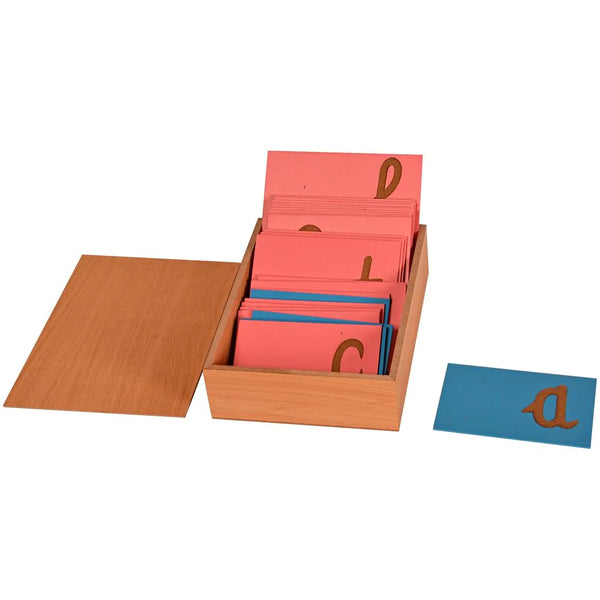
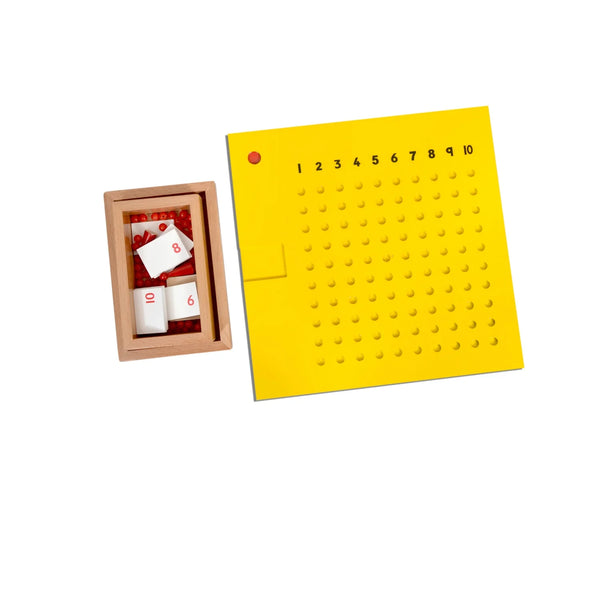
Board games align with Montessori by promoting self-correction, hands-on learning, concentration, and independent problem-solving. They serve as a 'prepared environment' where children learn through direct engagement, internalizing rules and strategies, similar to how they interact with Montessori materials like the Pink Tower or Sandpaper Letters.
My child gets very upset when they lose a game. How can I manage this?
It is completely normal for children to feel frustration when losing; this is an opportunity for emotional development. Focus on the effort and strategies used, rather than just the outcome, and model good sportsmanship yourself. Gradually introduce games with less competitive elements or cooperative games to build resilience before returning to competitive play.
Integrating board games into your Indian homeschooling curriculum is a powerful, enjoyable, and effective strategy for holistic child development. It's a concrete way to teach complex skills, foster social connections, and build resilience, all while creating cherished family memories. Tonight, gather your family, pick a game, and observe the magic of learning unfold through play. That's one specific action you can take to make a real difference in your child's homeschooling journey.