Choosing Educational Toys for Your Indian Homeschool
Choosing effective educational toys is a foundational step for Indian families embracing homeschooling, enabling a child-led learning journey that fosters independence and cognitive growth. This approach creates a rich, self-directed learning space at home, tailored to each child's unique developmental needs and aligned with the esteemed Montessori philosophy. Research shows that a thoughtfully curated environment profoundly impacts a child's intrinsic motivation and learning outcomes.
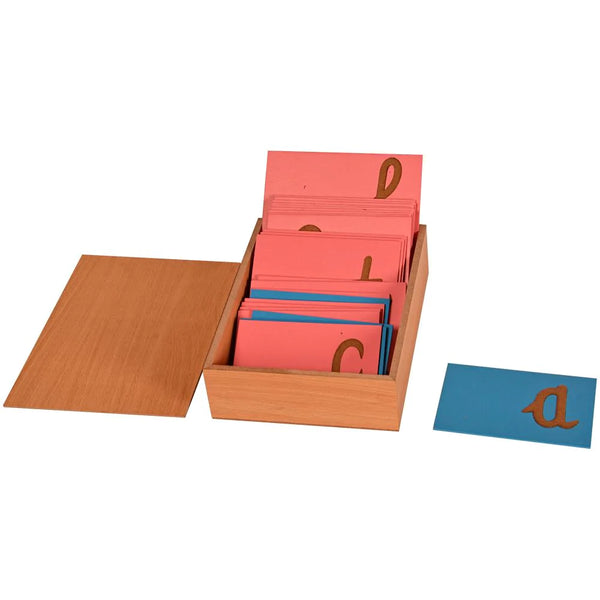
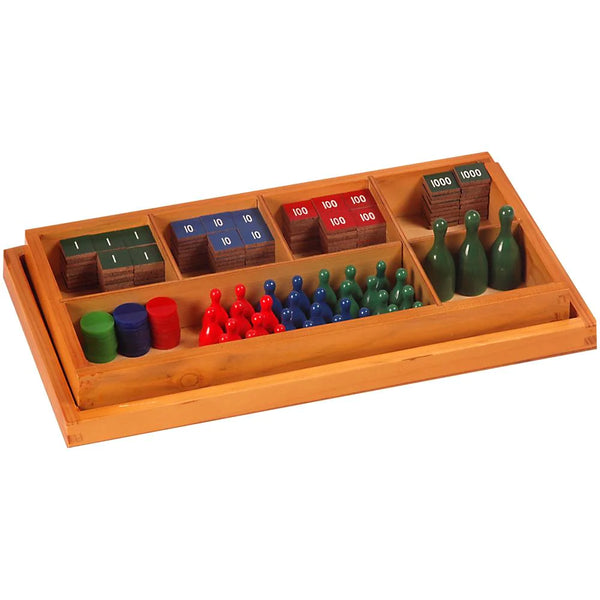
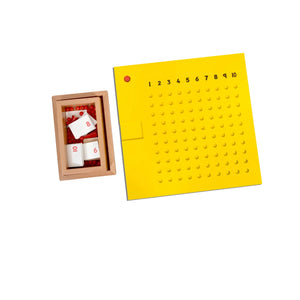
Montessori educational toys are purposeful learning materials designed to engage children in hands-on exploration and discovery. They are characterized by their natural materials, aesthetic simplicity, and focus on isolating one skill or concept at a time. This matters because it allows children to concentrate deeply, develop problem-solving abilities, and build confidence through self-correction. Indian parents can integrate these materials to transform their homes into dynamic learning laboratories, honouring their child's innate drive to learn.
Why Traditional Schools Don't Always Fit: The Rise of Homeschooling in India
Many Indian parents are now asking profound questions about conventional schooling. Reports in 'The Times of India' highlight families choosing homeschooling, often citing concerns about academic pressure, rigid curricula, and the lack of individual attention in crowded classrooms. For parents like Kavita in Bengaluru, who noticed her 6-year-old son, Rohan, losing his natural curiosity in a conventional setup, homeschooling became a path to preserve joy in learning.
The rise of homeschooling in India, as noted by 'The Core,' reflects a growing desire for personalized education that nurtures a child's whole being, not just rote memorization. This shift emphasizes creating environments where children can explore at their own pace, making the selection of appropriate learning tools, like educational toys for homeschooling India, critically important. It's about empowering children to lead their learning, whether in a sprawling ancestral home or a compact city apartment.
How to Choose Educational Toys for Indian Kids: A Montessori Lens
Selecting the best educational toys for Indian kids requires more than just picking brightly coloured items. Maria Montessori herself emphasized materials that are purposeful, beautiful, and inviting. The goal is to provide tools that engage a child's senses, promote concentration, and allow for independent discovery. It's about quality over quantity, ensuring each item has a distinct role in development.
Observe Your Child's Interests, Not Just Age
Child development experts agree that a child's readiness for a specific activity is often signalled by their sustained interest. Instead of strictly adhering to age labels, observe what truly captivates your child. Does your 2-year-old, like little Maya in Mumbai, constantly try to open and close containers? Then a practical life activity set with latches and locks might be more engaging than a complex puzzle. This child-led observation ensures the toys meet their current developmental plane, not just a generic benchmark.
Prioritise Purpose Over Pomp
The true power of an educational toy lies not in its ability to entertain with flashing lights or sounds, but in its invitation for the child to engage, problem-solve, and imagine. Simple materials, such as wooden blocks or sorting trays, encourage children to do the thinking and imagining themselves. Research suggests that toys which do 'too much' can actually reduce a child's active participation and imaginative play, hindering cognitive development. Look for toys that invite manipulation, construction, and quiet concentration.
Consider Practical Life Skills & Cultural Relevance
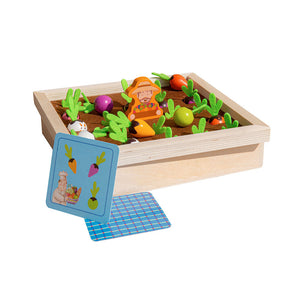
Montessori principles place immense value on practical life skills – activities like pouring water, buttoning clothes, or sweeping. These aren't just chores; they build concentration, fine motor skills, and a sense of contribution. When choosing how to choose educational toys, consider those that mimic everyday tasks, perhaps even integrating traditional Indian elements. A miniature kitchen set for preparing a pretend dosa, or materials for arranging flowers for a home puja, connect learning to cultural context. The tactile experience of working with natural elements or traditional fabrics can be profoundly enriching.
Integrating Montessori Educational Toys into Your Indian Home
Once you've chosen your montessori educational toys, the next step is to thoughtfully integrate them into your home environment. This isn't about transforming your entire house into a classroom, but rather creating inviting, accessible spaces that encourage exploration and learning.
Creating a Prepared Environment in Limited Space
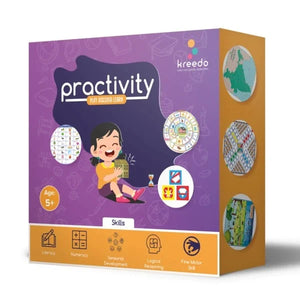
Many Indian homes, especially in urban areas, have limited space. This calls for creativity, not compromise. Use low shelves or small baskets to display a few selected toys at a time, making them easily accessible to your child. A designated corner in the living room or a section of the balcony can become a 'work area.' The key, as per Montessori philosophy, is a 'prepared environment' – one that is orderly, attractive, and allows the child freedom of movement and choice. For instance, a small rug can define a child's workspace, even in a bustling joint family home, giving them a sense of personal territory for their learning activity. Explore options like activity kits that often come with organized storage.
The Role of Grandparents and Joint Families
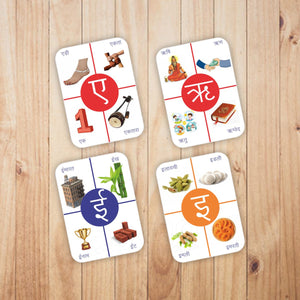
In India, grandparents are often central to a child's upbringing, bringing a wealth of stories, wisdom, and traditional play. Integrate their involvement by explaining the 'why' behind the Montessori approach. Grandparents can offer invaluable support by engaging children in simple, purposeful activities like helping with gardening, sorting pulses for dinner, or narrating folk tales – all of which align beautifully with practical life and language development. This collaborative approach ensures that the entire family nurtures a child's holistic growth, making educational toys for homeschooling India a family affair.
Rotating Toys for Sustained Engagement
To keep interest high and prevent overstimulation, rotate your educational toys every few weeks. This means putting some materials away and bringing out others. When a child sees a 'new' toy from the rotation, it sparks fresh curiosity and engagement. For a 3-year-old like Arjun in Hyderabad, who might quickly master a Montessori sorting activity, rotating it with a different fine motor skill toy, like bead threading, keeps his concentration skills developing without boredom.
The SkilloToys Difference: Quality & Purpose
At SkilloToys.com, we understand the specific needs of Indian homeschooling families. Our collection of Montessori-aligned educational toys is curated to support purposeful learning, foster independence, and celebrate the natural curiosity of every child. We prioritize materials that are safe, durable, and designed to engage young minds in meaningful ways, ensuring your homeschooling journey is enriched with tools that truly empower your child's development.
Embracing homeschooling in India is a profound choice that allows for deeply personalized learning. By thoughtfully choosing and integrating educational toys that align with Montessori principles, you are not just providing playthings; you are offering tools for life. Observe your child, trust their innate curiosity, and create a home environment where learning is a joyful, continuous discovery. This proactive step can truly transform their educational experience, allowing them to thrive and find their unique path.