Educational Toys for Holistic Homeschooling in India
For Indian families choosing homeschooling, educational toys are fundamental in nurturing a child's holistic development, extending far beyond conventional academics. These carefully designed resources provide a dynamic, engaging environment that stimulates growth across cognitive, emotional, social, and physical domains, addressing the comprehensive well-being that many parents seek when opting out of traditional schooling pressures. Research shows that integrating purposeful play into daily routines fosters deeper learning and greater retention than passive instruction alone, empowering children to explore and understand the world at their own pace.
What is Holistic Development? Holistic development encompasses a child's complete growth – intellect, emotions, social skills, physical abilities, and spiritual well-being – recognizing that these facets are interconnected. This matters because a balanced approach ensures children are not only academically proficient but also empathetic, resilient, and well-adjusted individuals ready for life's complexities. Indian parents can actively support this by consciously choosing educational tools that cater to every dimension of their child's potential.
Fostering Cognitive Skills Beyond Rote Learning
One of the primary reasons Indian parents embrace homeschooling is the desire to move beyond rote memorization, encouraging genuine understanding and critical thinking. Educational toys, especially Montessori-aligned materials, are instrumental here, promoting Montessori method learning materials for holistic development homeschooling India. Tools like puzzles, pattern blocks, and sequencing cards challenge children to solve problems, analyze information, and develop logical reasoning skills. For instance, working with the Pink Tower helps a child understand concepts of size and order without direct instruction, building a strong foundation for mathematical and spatial awareness.
Child development experts agree that learning through play cultivates intrinsic motivation, a stark contrast to external pressures often found in conventional school settings. SkilloToys offers a range of cognitive-boosting toys that allow children to experiment with cause and effect, test hypotheses, and build abstract concepts from concrete experiences. This active engagement ensures knowledge is not just acquired but deeply integrated, empowering children to become independent thinkers from a young age, a value highly cherished in many Indian households.
Nurturing Emotional Intelligence and Social Graces
Homeschooling in India provides a unique opportunity to tailor emotional and social learning to a child's individual needs and family values. Educational toys play a crucial role in cultivating emotional intelligence and child overall growth India. Role-playing sets, puppet theaters, and collaborative building activities encourage children to express feelings, understand different perspectives, and practice empathy. For instance, playing with a pretend kitchen or a doctor's kit allows children to act out social scenarios, learn sharing, and negotiate roles, mirroring interactions within a joint family or community.
These experiences help children develop vital social graces, from patience and cooperation to conflict resolution – skills often refined during festivals or family gatherings. By engaging with activity kits that require collaboration or storytelling, children learn to articulate their thoughts and understand non-verbal cues. This foundational social-emotional learning equips them with the confidence to navigate complex relationships, fostering a compassionate and well-rounded personality essential for adulthood.
Enhancing Physical Dexterity and Sensory Exploration
Maria Montessori firmly believed that the hand is the instrument of intelligence. Educational toys are indispensable for refining both fine and gross motor skills, alongside stimulating sensory development, bringing the true Montessori toys benefits India to the forefront. Materials like threading beads, lacing cards, and practical life tools (e.g., pouring, scooping sets) meticulously develop fine motor control, hand-eye coordination, and concentration. These activities are not just about skill acquisition; they lay the groundwork for writing, self-care, and practical independence.
Furthermore, sensorial materials such as smelling bottles, sound cylinders, and various texture tablets engage a child's senses, helping them categorize and understand their environment. This direct engagement with concrete materials, which SkilloToys specializes in, enhances sensory discrimination and observation skills. For children learning at home, these purposeful explorations provide a rich, multi-sensory foundation, critical for brain development and connecting abstract concepts to real-world experiences.
Building Language & Communication Skills Naturally
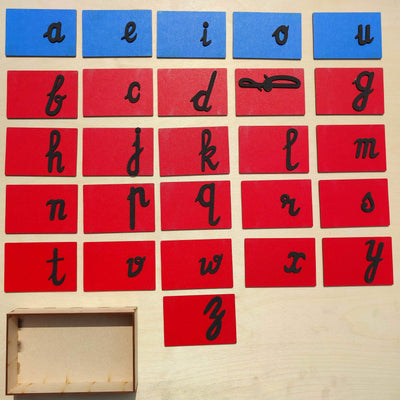
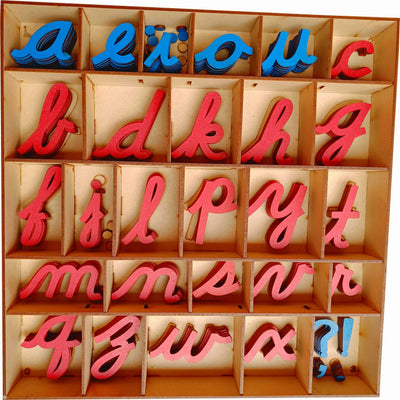
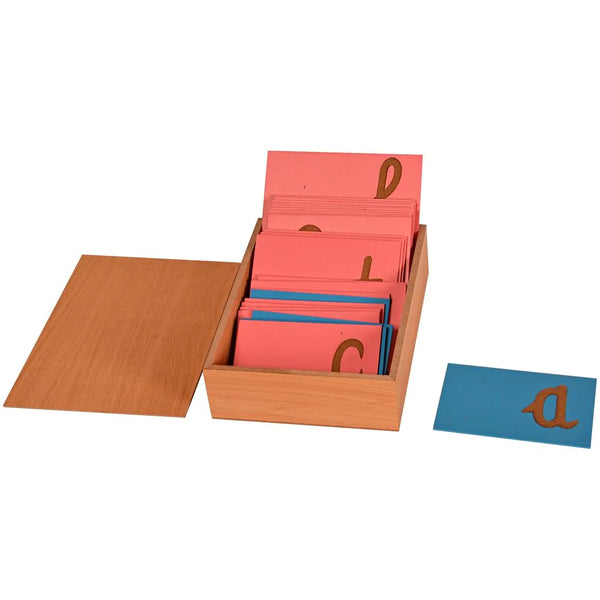
The homeschooling environment allows for a natural and organic development of language and communication, often unconstrained by large classroom dynamics. Educational toys are powerful facilitators for this aspect of overall growth. Picture cards, storytelling props, and phonetic objects like sandpaper letters encourage vocabulary expansion, phonological awareness, and expressive language. Children can practice narrating stories, describing objects, and engaging in rich conversations with parents or grandparents.
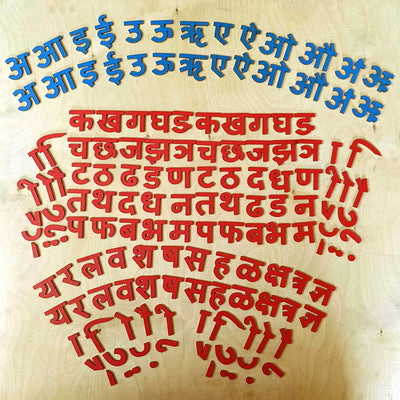
In a multi-lingual Indian home, these toys can be adapted to introduce multiple languages, reinforcing native tongues while also building English proficiency. The iterative nature of play allows children to internalize language structures and experiment with communication in a stress-free setting, fostering confident and articulate speakers who can connect effectively with diverse communities.
Instilling Cultural Values and Practical Life Skills
A significant advantage of homeschooling for many Indian families is the ability to deeply embed cultural values and practical life skills into the daily curriculum. Educational toys can be creatively used to teach about Indian festivals, traditional art forms, and daily household responsibilities. For example, a toy kitchen can be used to simulate preparing traditional Indian dishes, teaching about ingredients and culinary heritage. Craft kits can introduce children to rangoli patterns or traditional fabric designs, connecting them to their roots.
Practical life materials, such as buttoning frames, zipping boards, and sweeping sets, empower children with independence and a sense of contribution within the home, aligning with the values of self-reliance and community prevalent in Indian culture. By integrating these culturally relevant and practical learning experiences, educational toys support a child's overall growth, ensuring they are not just academically smart, but also culturally aware, responsible, and capable members of their family and society.
- Educational toys are crucial for integrated cognitive, emotional, social, and physical development in Indian homeschooling.
- Learning through purposeful play encourages critical thinking and problem-solving, moving beyond rote learning prevalent in some traditional schools.
- Montessori-aligned materials enhance fine motor skills and sensory exploration, foundational for brain development and practical independence.
- Educational toys foster emotional intelligence and social graces, enabling empathy and effective communication within family and community.
- These tools can be adapted to teach Indian cultural values, festivals, and essential practical life skills, connecting children to their heritage.
- Choosing quality educational toys empowers Indian homeschooling parents to cultivate well-rounded, resilient, and culturally aware children.
What makes a toy "educational" for a homeschooling child in India?
An educational toy for a homeschooling child in India is one that engages them actively, stimulates multiple senses, encourages critical thinking, and supports specific developmental milestones. It should offer opportunities for self-directed exploration and skill-building, aligning with a holistic approach to learning.
How can educational toys support a child's emotional well-being in homeschooling?
Educational toys support emotional well-being by providing outlets for expression, opportunities to practice empathy through role-play, and tools for understanding emotions. They can help children process experiences, develop self-regulation, and build confidence in a safe and engaging environment.
Are Montessori toys suitable for all age groups in Indian homeschooling?
Yes, Montessori toys are designed to be suitable for various age groups, from infants exploring sensory input to older children engaging in complex problem-solving. Their self-correcting nature and focus on concrete learning make them adaptable and beneficial across different developmental stages in an Indian homeschooling setting.
How can I integrate educational toys into our daily homeschooling routine in an Indian context?
Integrate educational toys by setting up inviting "prepared environments" in your home, allowing children free access to materials related to current learning themes. Connect toy-based activities to daily life, such as using counting beads during meal prep or building blocks to represent local landmarks, making learning culturally relevant and practical.
Do educational toys reduce screen time for homeschooling children?
Yes, high-quality educational toys can significantly reduce screen time for homeschooling children by offering engaging, hands-on alternatives that capture their attention and stimulate active learning. They provide tangible experiences that digital screens often cannot replicate, encouraging deeper concentration and creative engagement.