Homeschooling Cost India: Smart Education, No Lakhs
In India, the conversation around the exorbitant cost of education is louder than ever, with parents questioning why lakhs are spent when knowledge is increasingly accessible. The primary keyword, homeschooling cost India, emerges as a critical concern for families seeking quality education without the financial burden. Research shows that strategically planned homeschooling can indeed offer a high-quality, personalised learning journey at a fraction of the cost of traditional private schooling, making it a wise investment for your child's future.
What is Homeschooling? A Clear Path for Indian Families
Homeschooling is the practice of educating children at home, typically by parents or guardians, rather than sending them to a formal public or private school. This matters because it allows for a highly individualised curriculum and learning pace, directly addressing a child's unique needs and interests. Indian parents can embrace this model to foster deep learning, critical thinking, and creativity, often surpassing the limitations of conventional classroom settings.
The Financial Equation: Homeschooling vs. Private School Fees India
For many Indian families, the yearly educational expenses are staggering. Private school fees in Bengaluru, Mumbai, or Delhi can easily reach several lakhs per annum, encompassing not just tuition but also transport, uniforms, textbooks, extracurricular activities, and often, expensive after-school tuitions. These recurring costs escalate year after year, placing immense pressure on family budgets, especially for those in joint families trying to support multiple children.
In stark contrast, the homeschooling cost India can be significantly more manageable. While there are expenses involved – purchasing educational materials, occasional online courses, or educational outings – these are largely controllable and often one-time investments. Studies indicate that homeschooling families can save anywhere from 50% to 80% of what they would spend on private schooling, redirecting those funds towards experiences, skill development, or long-term savings for their child's higher education.
Value Beyond Money: Why Affordable Homeschooling India Delivers
Beyond the financial savings, the true value of homeschooling India lies in the quality of education it provides. Imagine Aarav, a 6-year-old in a Bengaluru family, struggling with rote learning in a large classroom. Homeschooling allows his parents to focus on his innate curiosity, letting him explore topics at his own pace, whether it's the intricate patterns of a rangoli or the physics behind a spinning top. This personalised approach, championed by educational pioneers like Maria Montessori, fosters intrinsic motivation and a genuine love for learning, a stark contrast to the external pressures of grades and competition.
Child development experts agree that a tailored learning environment, free from the stress of constant comparisons and rigid schedules, promotes healthier emotional and cognitive development. For many Indian parents, this also means more quality time with their children, celebrating festivals as learning opportunities, and integrating the wisdom of grandparents into daily lessons, building stronger family bonds alongside academic growth.
Investing Smart: Montessori Toys & Educational Expenses India
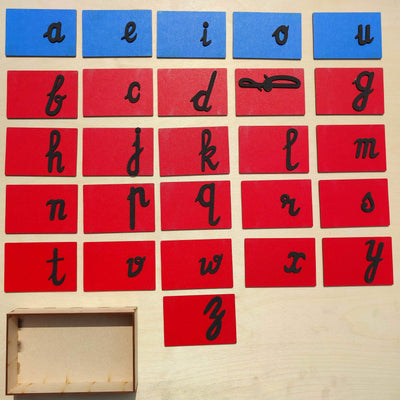
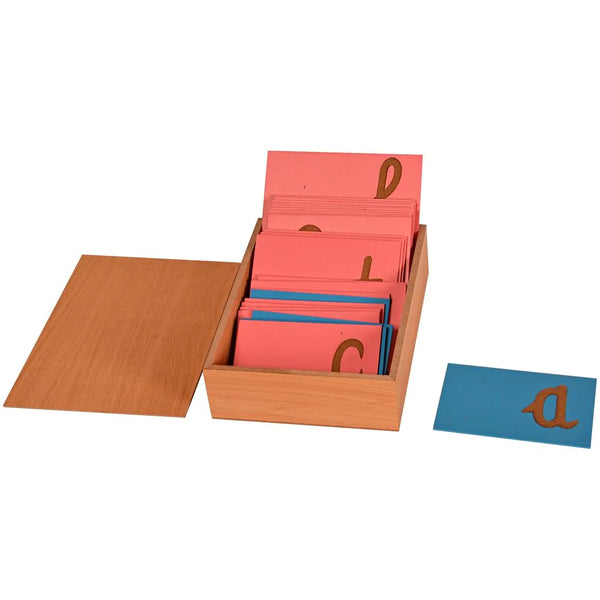
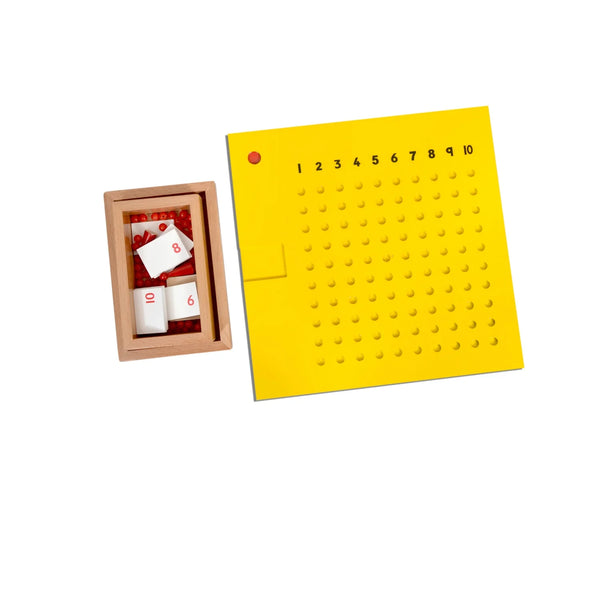
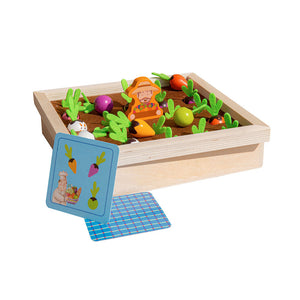
One of the most effective ways to manage educational expenses India within a homeschooling framework is to make smart, durable investments. Montessori educational materials, for instance, are designed for longevity and deep learning. Instead of spending thousands on new textbooks every year, consider investing in foundational Montessori learning materials.
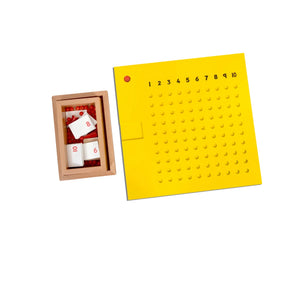
A set of wooden geometric solids, a Binomial Cube, or a Pink Tower might seem like an initial investment, but these tools are self-correcting, engage multiple senses, and facilitate a child's understanding of abstract concepts through concrete experiences. They are designed to grow with the child, offering different learning opportunities as they mature, making them a wise long-term asset. For instance, a 3-year-old might stack the cylinders of the knobbed cylinders, while a 5-year-old might use them for early math concepts, understanding order and dimension. These aren't just toys; they are tools for cultivating independence and strong cognitive skills, significantly reducing the need for constant new purchases.
Furthermore, practical life materials, like pouring sets or dressing frames, cultivate fine motor skills and concentration, preparing a child for academic tasks. You can also explore our range of activity kits that bring hands-on, Montessori-inspired learning directly to your home, offering engaging ways to learn about science, language, and culture without breaking the bank.
Crafting Your Homeschool Budget: Practical Tips for Indian Families
Achieving truly affordable homeschooling India requires resourcefulness and creativity. Leverage local libraries for books and resources. Utilise the wealth of free online educational platforms and documentaries. Connect with local homeschooling communities – many are thriving in Indian cities like Pune, Chennai, and Hyderabad, offering support, resource sharing, and co-op learning opportunities.
Don't underestimate the educational value of everyday experiences. A trip to the local market can be a lesson in mathematics, local languages, and economics. Cooking with grandparents becomes a science experiment. Traditional Indian crafts like Warli painting or block printing teach history, art, and fine motor skills. These experiences are invaluable, often free, and deeply embedded in our culture, enriching a child's learning journey far beyond what any textbook can offer. By integrating these elements, parents can ensure a holistic, high-quality education while keeping the homeschooling cost India at a minimum.
Choosing to homeschool in India is more than just an educational decision; it's a financial strategy that empowers families. By thoughtfully managing the homeschooling cost India, and making smart, long-term investments in quality educational tools like those offered by SkilloToys, you can provide your child with an exceptional, personalised education that truly prepares them for the world, all without the burden of lakhs in annual school fees.