Rise of Homeschooling in India: A Growing Trend
The rise of homeschooling in India is undeniably a pivotal moment in our nation's educational journey, signalling a significant and growing movement among Indian families. Parents across cities like Bengaluru, Mumbai, and Delhi are increasingly exploring home-based education, seeking alternatives to conventional schooling that better align with their children's unique needs and their family values. This shift isn't just about individual choice; it reflects a broader re-evaluation of what truly constitutes quality education and holistic child development in contemporary India.
Homeschooling is a flexible educational approach where parents or guardians take primary responsibility for their child's education at home. This matters because it empowers Indian parents to tailor curriculum, pace, and environment to their child's specific learning style and interests. Indian parents can thereby create a nurturing space that fosters genuine curiosity and a lifelong love for learning.
Understanding the Homeschooling Trend in India
Recent reports, like those in The Times of India and The New Indian Express, highlight that more Indian parents are choosing homeschooling, moving "out of choice, out of classrooms." This growing homeschooling trend in India is multifaceted, driven by a blend of academic, social, and cultural considerations. Research shows that parents often cite the desire for a less stressful learning environment, protection from intense peer pressure, and the flexibility to accommodate diverse learning styles as primary motivators.
The conventional Indian education landscape, with its emphasis on rote learning and competitive examinations, can sometimes overshadow the individual child's developmental journey. Child development experts agree that a one-size-fits-all approach can stifle creativity and intrinsic motivation. For instance, a child who excels in art or music might feel constrained in a system prioritizing STEM, while a child needing more time to grasp concepts might be labeled "slow" prematurely.
Why Homeschooling is Growing in India: Beyond Academics
The surge in homeschooling in India isn't solely a reaction to academic pressures; it's a proactive choice for holistic development. Many Indian families are consciously choosing to foster a learning environment that integrates deeply with their cultural roots, allowing children to participate actively in festivals, family gatherings, and community service without academic disruption. This approach cultivates a strong sense of identity and belonging, often missing in rigid school schedules.
Moreover, the rise of nuclear families in urban centres and the increasing number of parents exposed to global educational philosophies have contributed to this movement. Parents are seeking alternatives like the Montessori method, which advocates for self-directed activity, hands-on learning, and collaborative play. Maria Montessori herself emphasized "following the child," a principle that resonates deeply with the individualized nature of homeschooling.
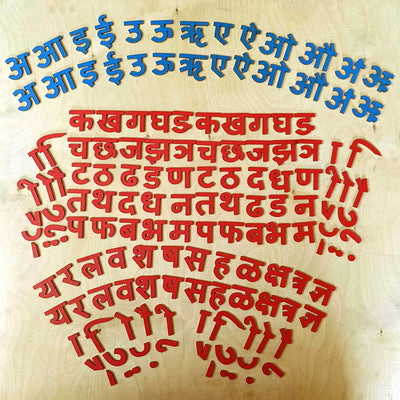
For parents embracing this path, materials that encourage independent exploration are invaluable. Montessori activity kits and learning materials designed for specific developmental stages, such as the pink tower for understanding dimensions or sandpaper letters for tactile literacy, empower children aged 3-6 years to learn at their own pace. This self-paced learning is a cornerstone of effective homeschooling.
The Future of Education in India: Embracing Personalized Learning
As this movement gains momentum, it reshapes the very definition of the future of education in India. We are witnessing a shift towards a more diversified and personalized educational ecosystem where a child's natural curiosity is nurtured rather than stifled. This emphasis on tailored learning experiences ensures that education is not just about memorizing facts but about developing critical thinking, problem-solving skills, and emotional intelligence.
The flexibility of homeschooling allows parents to weave learning into daily life, whether it's through cooking a traditional Diwali delicacy, tending to a home garden, or engaging in conversations with grandparents about family history. This experiential learning often yields deeper understanding and retention than textbook lessons. The American Academy of Pediatrics highlights the importance of unstructured play and real-world interactions for cognitive development, a concept homeschooling naturally facilitates.
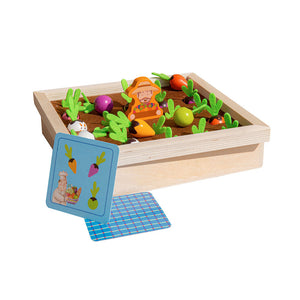
Investing in high-quality Montessori learning materials at home provides children with concrete, sensorial experiences essential for foundational understanding. These materials, from practical life exercises to sensorial tools, are designed to engage children from 18-24 months and beyond, laying a robust groundwork for complex concepts. When children actively manipulate objects and discover concepts themselves, their learning becomes profound and lasting.
Supporting Homeschooling Families in India
For families considering or already navigating this path, building a supportive community is key. Connecting with other homeschooling parents, whether online or in local Bengaluru groups, provides invaluable insights, resources, and encouragement. Sharing experiences, discussing curriculum choices, and even organizing group activities can enrich the homeschooling journey for both children and parents.
The decision to homeschool is a significant one, often requiring dedication and adaptability. However, the benefits of seeing a child thrive in a tailored, stress-free environment, deeply connected to their family and culture, are immeasurable. The rise of homeschooling isn't just a trend; it's a testament to Indian parents' unwavering commitment to their children's holistic well-being and intellectual growth, pioneering a more diverse and child-centric educational landscape for generations to come.