Homeschooling Curriculum India: Adapt & Enrich Learning
Choosing a homeschooling curriculum in India goes far beyond selecting textbooks; it involves crafting a dynamic learning path that truly serves your child. This approach moves beyond the basics, focusing on adapting, integrating, and enriching education to foster holistic development. Research indicates that personalised learning environments significantly boost engagement and academic outcomes, making this deeper dive essential for Indian families.
Homeschooling curriculum adaptation is the process of tailoring educational content, methods, and pace to suit an individual child's unique learning style, interests, and developmental needs. This matters because a one-size-fits-all approach often stifles a child's natural curiosity and potential. Indian parents can actively design a learning journey that resonates with their child's inner drive and cultural context.
Beyond Standard Syllabi: Understanding Your Child's Unique Indian Learning Journey
For parents in India, the journey of selecting a homeschooling curriculum often begins with a critical question: how do we move past conventional schooling's rigid structures? Child development experts like Maria Montessori have long emphasised that children learn best when education aligns with their innate developmental stages and individual temperaments. This means observing your child – whether they're a 3-year-old exploring sensorial materials or a 7-year-old captivated by stories of Indian mythology – and designing learning around their evolving needs.
Consider the example of young Rohan, growing up in a joint family in Bengaluru. While a standard curriculum might prescribe specific math exercises, Rohan's mother observed his fascination with numbers while helping his Dadi count money for daily groceries. She adapted his learning to include practical arithmetic through managing household budgets and understanding denominations, transforming a chore into a tangible lesson. This flexible, observation-led approach is foundational to successful adapting homeschooling curriculum.
Integrating Local Flavours: Weaving Indian Culture into Your Curriculum
One of the most powerful ways to enrich a homeschooling curriculum in India is to infuse it with the vibrant tapestry of local culture. This isn't just about adding a chapter on Indian history; it's about making learning a living, breathing experience rooted in daily life. For instance, celebrating Diwali can become a multidisciplinary lesson covering history, art (rangoli), science (light, sound), and mathematics (dividing sweets).
Studies indicate that children who learn within a culturally relevant framework develop a stronger sense of identity and connection to their community. Utilise the vast array of Indian homeschooling resources available right outside your door: a trip to the local vegetable market teaches economics and botany, cooking traditional meals introduces chemistry and measurements, and listening to grandparents' folktales fosters language and cultural values. SkilloToys offers a range of activity kits that can beautifully complement these cultural explorations, providing hands-on tools for learning about India's diverse heritage.
Enriching with Experiential Learning and Montessori Principles
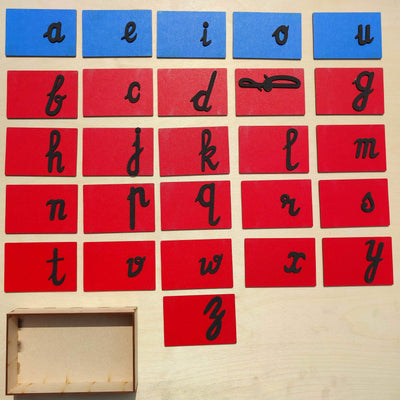
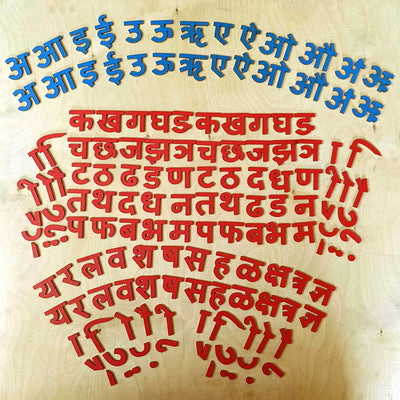
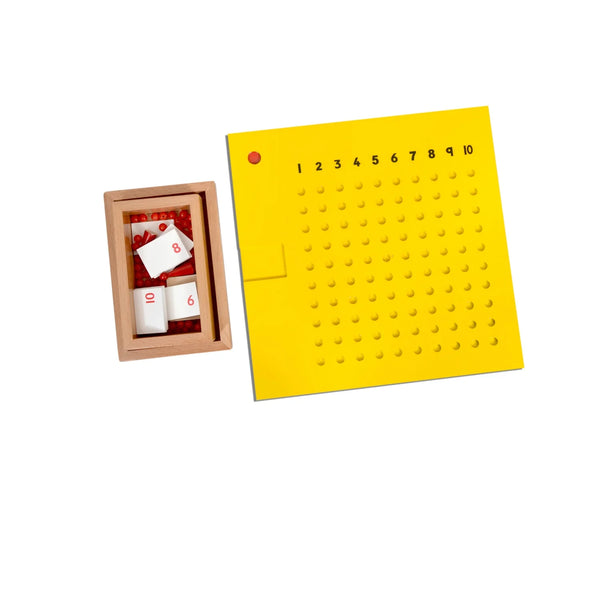
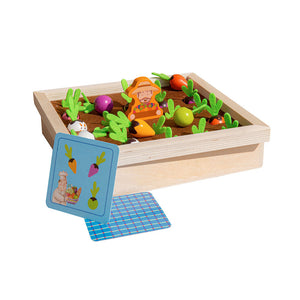
Moving beyond rote memorisation, true enrichment comes from engaging children in hands-on, experiential learning. This is where Montessori principles offer an invaluable framework, especially for a montessori curriculum india context. The emphasis on practical life skills – like sweeping, pouring, or preparing snacks – not only builds independence but also refines fine motor skills and concentration. Imagine a child learning about different textures and weights by sorting lentils or creating geometric patterns with colourful beads.
Maria Montessori believed that the child's environment is their most important teacher. Providing access to self-correcting, purposeful materials allows children to discover concepts at their own pace, building deep understanding rather than superficial knowledge. Exploring a diverse range of Montessori method learning materials can significantly enhance this aspect of your homeschooling, turning abstract ideas into concrete experiences that resonate deeply with young minds.
Practical Strategies for Curriculum Adaptation in Indian Homes
Adapting your curriculum successfully requires a few key strategies. Firstly, cultivate an observant eye; pay close attention to what sparks your child's curiosity, what challenges them, and how they naturally interact with their surroundings. Is your child fascinated by the ants in the garden? This could lead to an impromptu biology lesson. Are they eager to help with laundry? Use it to teach sorting, folding, and responsibility.
Secondly, embrace flexibility. Your curriculum is a guide, not a dictator. Be prepared to pivot when an unexpected learning opportunity arises or when a planned lesson isn't resonating. This agility allows you to follow your child's lead, fostering intrinsic motivation. Thirdly, tap into your community: connect with other homeschooling families in your city, join local cultural groups, or visit museums and parks. These interactions provide diverse learning experiences and crucial socialisation for your child.
Finally, leverage the invaluable resource of grandparents and extended family. Their life experiences, traditional knowledge, and stories can provide an 'invisible curriculum' that enriches your child's education in ways no textbook can. The Dadi telling tales of her childhood during the freedom struggle, or the Nana teaching traditional gardening techniques, offers authentic, intergenerational learning that strengthens familial bonds and cultural understanding.
Crafting an adaptable, integrated, and enriching homeschooling curriculum in India empowers your child to thrive academically, culturally, and personally. By focusing on their individual needs, embracing the rich tapestry of Indian life, and providing hands-on learning experiences, you are not just educating; you are nurturing a lifelong love for discovery. Take the first step tonight: observe one new interest your child shows and think about how you can weave it into tomorrow's learning adventure.