Homeschooling Exam Pressure India: Reduce Stress, Boost Learning
For many Indian families, the intense academic scrutiny and mounting exam pressure have become a significant concern. Homeschooling in India directly addresses this, offering a transformative path to reduce exam stress and foster truly holistic learning. It empowers parents to tailor education to their child's unique pace and interests, prioritizing well-being over competitive grades, a sentiment echoed in recent discussions by news outlets like News18.com.
What is Holistic Learning? Holistic learning is an educational philosophy that focuses on the complete development of a child—intellectually, emotionally, socially, physically, and spiritually. This matters because it prepares children not just for exams, but for life itself, equipping them with critical thinking and adaptability. Indian parents can implement this by shifting focus from rote memorization to meaningful engagement and exploration.
Reduce Exam Stress Homeschooling: A Personalized Approach
One of the most profound benefits of homeschooling is the ability to personalize the learning journey, which inherently reduces exam stress. Unlike traditional schools where a 3-year-old Aarya in Bengaluru might be expected to master certain concepts by a fixed deadline, homeschooling allows Aarya to learn at her own, natural pace. Child development experts agree that forcing a child to learn before they are developmentally ready can create significant anxiety and a dislike for learning itself.
In a homeschool setting, there are no rigid exam schedules or competitive class rankings that often fuel stress among children and parents alike. This flexible environment fosters a sense of security and allows children to delve deeper into subjects they genuinely find interesting, without the looming fear of a high-stakes test. Parents can observe when a child is ready to move on, or when they need more time, a luxury unavailable in a crowded classroom.
Montessori Alternative to Exams: Learning Through Observation
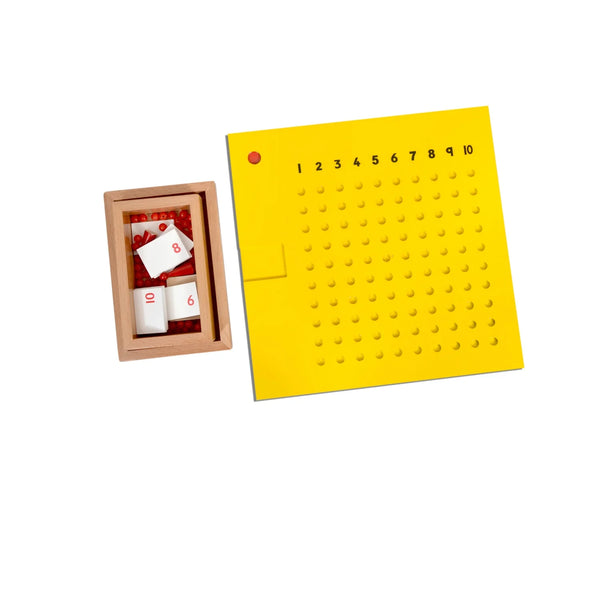
The Montessori method offers a powerful framework for alternative assessment, moving beyond the traditional grading system to promote genuine understanding. Instead of exams, progress is observed and documented through consistent interaction with learning materials and activities. For instance, with a 4-year-old mastering Montessori learning materials like the Pink Tower or Sandpaper Letters, the assessment isn't a written test, but the child's ability to engage, problem-solve, and self-correct. Maria Montessori herself advocated for this observational approach, understanding that a child's true progress is seen in their actions, not just their answers.
This approach significantly improves child mental health homeschooling, as the pressure to perform for external validation is replaced by the intrinsic joy of discovery. Parents become guides, noting a child's developing skills, critical thinking, and practical application of knowledge. This constant, gentle assessment provides far richer insights into a child's learning style and needs than any timed paper can.
Holistic Learning India: Cultivating Intrinsic Motivation
In the Indian context, where academic achievement is often linked to future success, shifting to holistic learning can seem daunting. However, it's about redefining success. Homeschooling allows families to prioritize values, life skills, and emotional intelligence alongside academics. Imagine a child learning about Indian festivals not through textbook definitions, but by actively participating in family preparations, understanding cultural significance, and engaging in related craft activities using activity kits. This makes learning memorable and meaningful, rather than a task to be endured for a mark.
When learning is driven by curiosity and interest, children develop intrinsic motivation. They learn because they want to understand, not because they have to pass an exam. This profound shift is critical for long-term engagement with education and personal growth. Studies indicate that an environment free from constant performance pressure significantly boosts a child's confidence and self-esteem, vital components of child mental health.
Stress-Free Education India: Practical Steps for Parents
For Indian families embracing homeschooling, creating a stress-free education environment is a deliberate choice. It begins with acknowledging that every child is unique and their learning journey will be too. Here are some practical steps:
- Observe, Don't Dictate: Pay close attention to your child's natural interests and sensitive periods. If your 2-year-old is fascinated by sorting objects, provide diverse items for sorting, rather than pushing early reading if they're not ready.
- Focus on Mastery, Not Speed: Allow your child to spend as much time as needed on a concept until they truly understand it, even if it takes longer than a school curriculum might allocate.
- Embrace Real-World Learning: Incorporate daily life into lessons. Cooking together teaches measurements, managing a small budget teaches math, and family discussions foster critical thinking and language skills. This is a personalized learning benefit India's joint families can uniquely offer.
- Prioritize Play: Unstructured play is crucial for cognitive development, creativity, and emotional processing. It's how children explore, experiment, and learn without pressure.
- Redefine Assessment: Keep a journal of your child's progress, celebrate small victories, and focus on their growth over time rather than comparing them to peers or arbitrary benchmarks.
Homeschooling in India provides a powerful opportunity to shield children from debilitating exam pressure, nurturing their inherent love for learning. By choosing a path that respects a child's individuality and fosters holistic development, Indian parents are not just educating their children; they are empowering them for a joyful, stress-free, and truly enriching future.