Homeschooling Legal India: Current Rules & Future Frameworks
For many Indian families, the question of homeschooling legal India is often the first hurdle in considering this educational path. The good news is that homeschooling is entirely permissible in India; there are no specific federal laws or regulations that prohibit parents from educating their children at home. This means Indian parents operate within an unregulated environment, offering significant flexibility but also requiring proactive engagement in curriculum design and community integration. Discussions are ongoing to establish a formal framework for learner protection and recognition.
Homeschooling in India refers to parents or guardians educating their children at home instead of enrolling them in traditional schools. This approach is gaining traction due to desires for personalized learning and cultural values. Indian families can embrace this path by focusing on a well-rounded curriculum and community engagement.
The Current Reality: Is Homeschooling Legal in India?
Yes, homeschooling is legal in India, though not explicitly regulated by a comprehensive set of national homeschooling laws India. Unlike some Western countries with strict registration requirements or curriculum mandates, India's current legal landscape provides parents with considerable autonomy. This freedom allows families to tailor their child's education to their unique needs, cultural values, and learning styles, which is particularly appealing to those seeking alternatives to conventional schooling pressure.
The Right to Education (RTE) Act, 2009, mandates education for all children between 6 and 14 years. While the Act primarily focuses on formal school enrollment, its underlying spirit is to ensure every child receives an adequate education. Parents who choose homeschooling are implicitly responsible for fulfilling this right, ensuring their children gain knowledge and skills comparable to or exceeding those acquired in traditional settings. This responsibility underscores the need for thoughtful planning and execution.
Navigating the Unregulated Landscape: Practical Steps for Indian Parents
Operating without explicit homeschooling regulations India means parents bear the primary responsibility for their child's educational journey. This autonomy is a double-edged sword: it offers immense flexibility but demands diligence. For a 7-year-old in a Bengaluru apartment, this could mean designing a curriculum that integrates local history with global science, perhaps using practical activity kits to explore scientific concepts.
Research indicates that parental involvement is the strongest predictor of academic success in homeschooling. This goes beyond just teaching; it involves creating a stimulating home environment, fostering a love for learning, and seeking out diverse learning resources. Child development experts agree that a holistic approach, incorporating both academic and life skills, is paramount for well-rounded growth.
The Push for a Formal Homeschooling Framework in India
While the current absence of strict laws offers flexibility, there's a growing conversation about the need for a formal homeschooling framework India. As highlighted by publications like Education Times, educators and policymakers acknowledge that a structured framework could provide clearer guidelines for parents, ensure quality control, and offer official recognition for homeschooled learners. This move is driven by the rise in homeschooling, as reported by The Times of India, with more families choosing alternatives to traditional schools.
A formal framework could address concerns about standardization, assessment, and the social integration of homeschooled children. It would also potentially streamline pathways for higher education or vocational training, which can sometimes be challenging for children without traditional school transcripts. This doesn't necessarily mean rigid rules, but rather a supportive structure that empowers parents while safeguarding educational quality.
Ensuring Learner Protection and Holistic Development
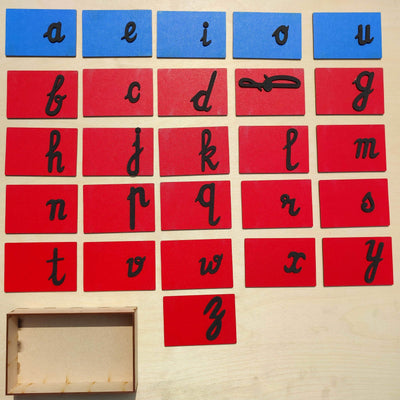
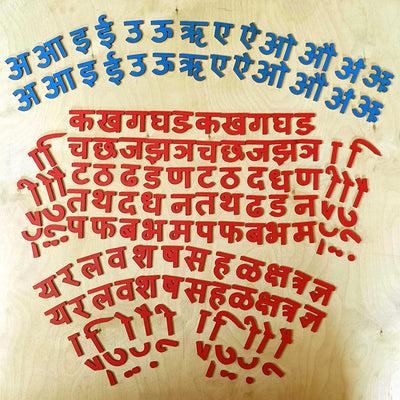
Even without explicit laws, the fundamental goal of education remains learner protection homeschooling India. This encompasses not just academic achievement but also emotional, social, and physical development. Montessori principles, for instance, emphasize child-led learning, fostering independence, concentration, and a deep understanding of concepts through hands-on engagement. Using materials like a Montessori pink tower or sandpaper letters can be invaluable for developing fine motor skills and cognitive understanding in young children.
Parents play a crucial role in creating a safe and enriching learning environment. This involves regular assessments of progress, seeking peer interaction through homeschooling co-ops or community groups, and ensuring exposure to diverse experiences beyond the home. For instance, involving grandparents in storytelling or traditional craft activities can add immense cultural depth to a child's learning journey, blending education with rich family values.
Certification and Future Pathways for Homeschoolers
One of the most common questions from parents considering homeschooling concerns formal certification. While direct 'homeschooling certificates' aren't issued by the government, homeschooled children in India have excellent pathways for formal recognition. The National Institute of Open Schooling (NIOS) offers credible secondary and senior secondary certification, widely accepted by universities across India. International boards like Cambridge Assessment International Education also provide options for external examinations.
This allows children to transition smoothly to higher education or vocational courses, ensuring their educational efforts are officially recognized. The key is proactive planning and consistent documentation of learning outcomes and experiences. For instance, maintaining a portfolio of projects, readings, and activities from ages 6 to 14 can be a powerful testament to a child's comprehensive learning journey.
Your Homeschooling Journey: Empowering Choices
The absence of prescriptive homeschooling certification India requirements empowers parents to craft an educational experience truly suited for their child. Whether it's a child-led Montessori approach for a 4-year-old exploring sensorial materials or a project-based curriculum for a 10-year-old diving deep into Indian history, the flexibility is immense. This freedom, however, comes with the responsibility of ensuring a rich, stimulating, and well-documented learning path.
As discussions continue for a more formal framework, Indian homeschooling parents are at the forefront of shaping the future of education. By engaging with homeschooling communities, staying informed about policy discussions, and most importantly, providing a high-quality, loving learning environment, you contribute to a robust and diverse educational landscape in India. Tonight, consider discussing with your family how you can further document your child's unique learning experiences, perhaps by starting a “My Learning Adventures” journal.