Homeschooling Philosophies India: Choosing Your Child's Path
The rise of homeschooling in India, as highlighted by recent headlines in The Times of India and The New Indian Express, indicates a significant shift, with many Indian parents questioning conventional schooling. Exploring various homeschooling philosophies India is essential for families navigating this exciting path, as it allows for a tailored educational journey that truly resonates with a child's unique potential and family values.
This guide offers a comprehensive overview of different pedagogical approaches, helping you understand the diverse homeschooling methods India available. Choosing the right philosophy is a foundational step in creating a nurturing and effective home learning environment, ensuring your child thrives academically and personally, often exceeding the rigid structures of traditional classrooms.
What Are Homeschooling Philosophies in India?
Homeschooling philosophies in India are structured educational frameworks that guide curriculum choices, teaching methods, and the overall learning environment within a home setting. This matters because a clear philosophy provides consistency and direction, helping parents align their educational approach with their child's needs and family values. Indian parents can choose from a range of established philosophies to design a truly personalised learning experience for their children.
Montessori Homeschooling: Fostering Independence and Self-Direction
Montessori homeschooling in India is a child-centred educational approach developed by Dr. Maria Montessori, focusing on fostering a child's natural curiosity and inherent drive for self-directed learning. This method emphasises hands-on exploration with specially designed Montessori learning materials, allowing children to learn at their own pace and develop independence, concentration, and a love for learning.
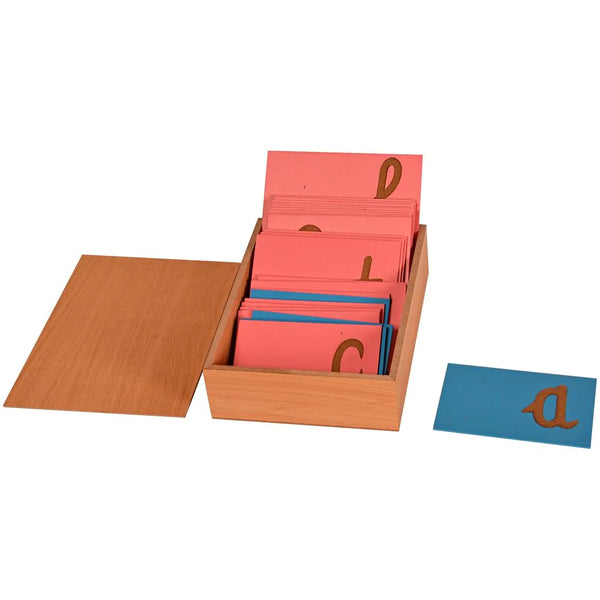
Child development experts agree that the Montessori approach, particularly for children aged 18-24 months and beyond, significantly enhances cognitive development and executive function skills. Activities involving materials like the Pink Tower for understanding dimensions or Sandpaper Letters for pre-reading prepare children comprehensively. This philosophy thrives in homes where children are encouraged to choose their activities and learn through discovery, often using dedicated learning spaces that echo a Montessori classroom environment.
Waldorf Education: Nurturing Creativity and Holistic Development
Waldorf education, another prominent homeschooling philosophy in India, focuses on the holistic development of the child — nurturing their head, heart, and hands. This approach integrates academic learning with artistic expression, practical skills, and imaginative play, often following the child's developmental stages through storytelling, music, art, and movement.
Studies indicate that Waldorf-educated children often demonstrate strong creative problem-solving skills and a deep appreciation for the arts. For Indian families, incorporating elements like traditional crafts, folk tales from various regions, and celebrating festivals with artistic projects can beautifully align with the Waldorf emphasis on cultural immersion and imaginative engagement. This method prioritises rhythm, routine, and a gentle, unhurried learning pace.
Unschooling: Child-Led Exploration and Natural Learning
Unschooling is a radical homeschooling method where learning is entirely driven by the child's natural curiosity and interests, with parents acting as facilitators rather than traditional teachers. This philosophy rejects conventional curricula and schedules, believing that children learn best when they are intrinsically motivated and pursue topics that genuinely captivate them.
Research shows that unschooled children often develop strong self-motivation, critical thinking, and a deep understanding of their chosen subjects. For Indian parents, unschooling might involve exploring local markets to learn about economics, cooking traditional family recipes to understand measurements and culture, or diving into stories from grandparents about history. The emphasis is on real-life experiences and organic learning, making it a truly flexible style among the various types of homeschooling India offers.
Classical Homeschooling: Rigor, Logic, and Timeless Wisdom
Classical homeschooling is a structured, academically rigorous philosophy that follows the classical Trivium (Grammar, Logic, Rhetoric) across developmental stages, focusing on foundational knowledge, critical thinking, and articulate expression. It typically involves a rich curriculum of great books, history, literature, Latin, and mathematics, aiming to cultivate well-rounded, intellectually disciplined individuals.
This approach values timeless wisdom and intellectual virtue, preparing children for advanced studies and deep analytical thought. While demanding, classical homeschooling can resonate with Indian families who value a strong academic foundation and a structured learning environment, often seen in the rigour of traditional Indian education. Integrating classical texts from ancient India alongside Western classics can create a culturally rich and intellectually stimulating curriculum.
Eclectic Homeschooling: A Blended Approach for Indian Families
Eclectic homeschooling is perhaps the most common among Indian families, as it involves drawing from various philosophies and methods to create a customised learning plan that best suits the child and family. Parents might combine the hands-on learning of Montessori for early years, the artistic elements of Waldorf, the interest-led aspects of Unschooling for certain subjects, and the academic rigor of Classical education for others.
This flexible approach allows parents to adapt their curriculum to their child's evolving needs, learning style, and family dynamics, including the support of a joint family or the need to balance studies with festivals and family gatherings. Eclectic homeschooling truly embodies the spirit of choosing homeschooling style India, allowing for a unique, highly personalised educational journey that can be adjusted as the child grows and develops.
Integrating Educational Toys into Your Chosen Philosophy
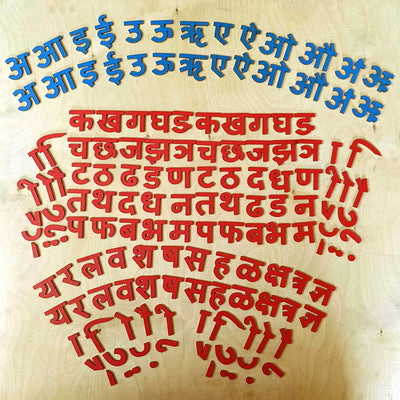
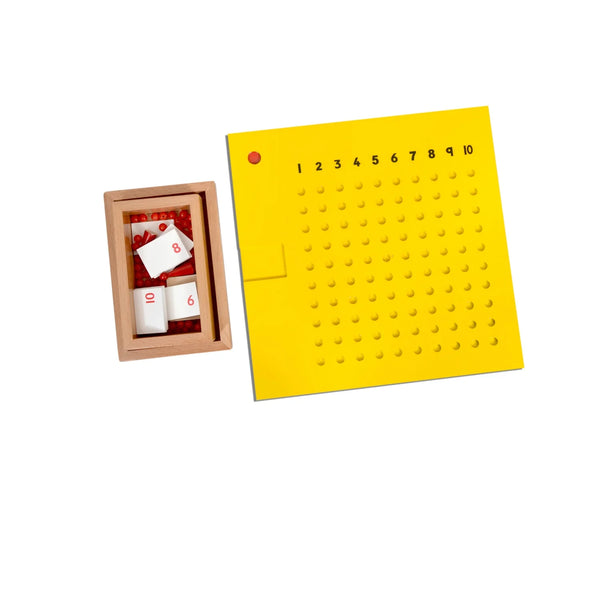
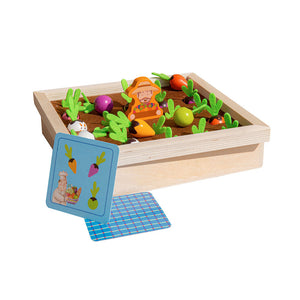
Regardless of the homeschooling methods India you adopt, educational toys and learning materials are indispensable tools. For Montessori families, authentic materials like sorting trays and sensorial blocks are crucial. Waldorf families might favour natural wooden toys and crafting supplies. Unschoolers could use curiosity-driven science kits or art supplies to explore interests.
High-quality kids learning toys are not just for play; they are powerful aids for cognitive development, fine motor skills, and creative expression. SkilloToys.com offers a curated selection that supports various homeschooling philosophies, providing age-appropriate tools that make learning engaging and effective. Choosing toys that align with your chosen philosophy reinforces its principles and enhances the learning experience.
Choosing Your Homeschooling Style in India: Practical Steps
Choosing the right homeschooling style in India involves reflecting on your family's values, your child's unique personality, and your long-term educational goals. Observe how your child naturally learns – are they hands-on, artistic, curious, or do they thrive with structure?
Consider the time and resources you have available, and how your family's daily rhythm, including interactions with grandparents and community, can support your chosen path. Engaging with other homeschooling families in India can also provide invaluable insights and community support, helping you refine your approach as you go. This journey is about empowering your child to become a confident, joyful, and lifelong learner.
- Homeschooling in India offers diverse philosophies like Montessori, Waldorf, Unschooling, Classical, and Eclectic.
- Montessori education fosters independence, self-directed learning, and hands-on exploration with specific materials.
- Waldorf education prioritises holistic child development through art, imagination, and practical skills.
- Unschooling advocates for child-led learning, allowing interests to guide the educational journey naturally.
- Eclectic homeschooling combines elements from multiple philosophies, offering flexibility for Indian families.
- Choosing a philosophy depends on the child's learning style, family values, and long-term educational goals.
What are the main homeschooling philosophies parents consider in India?
The main homeschooling philosophies Indian parents consider include Montessori, Waldorf, Unschooling, Classical, and Eclectic approaches. Each offers a distinct framework for curriculum, teaching methods, and the overall learning environment.
How does Montessori homeschooling differ from traditional schooling in India?
Montessori homeschooling in India differs from traditional schooling by emphasising child-led learning, hands-on exploration with specific materials, and multi-age grouping. It focuses on fostering independence and internal motivation rather than rote memorisation or teacher-led instruction.
Can I combine different homeschooling methods for my child in India?
Yes, combining different homeschooling methods is highly encouraged, a style known as Eclectic homeschooling, and is popular in India. This allows parents to create a customised learning path that best suits their child's unique needs, learning style, and family values.
What role do educational toys play in various homeschooling philosophies?
Educational toys are crucial in all homeschooling philosophies as they serve as concrete learning tools, enhancing cognitive, fine motor, and creative skills. They reinforce the principles of each philosophy, making learning engaging and effective through hands-on interaction and discovery.
How do I choose the best homeschooling style for my child in an Indian context?
Choosing the best homeschooling style in an Indian context involves evaluating your child's learning style, your family's cultural values, available resources, and long-term educational goals. Observe your child's natural inclinations and consider practical aspects like joint family support and local community engagement.