Is Homeschooling Legal in India? What Parents Need to Know
Many Indian parents, from bustling metros like Bengaluru to serene towns, are asking: is homeschooling legal in India? The short answer is yes, in practice, it is permissible. While there isn't a specific law explicitly stating its legality or providing a formal framework for it, neither is there a law that prohibits it. This means families can confidently choose to educate their children at home, aligning with the spirit of providing quality education.
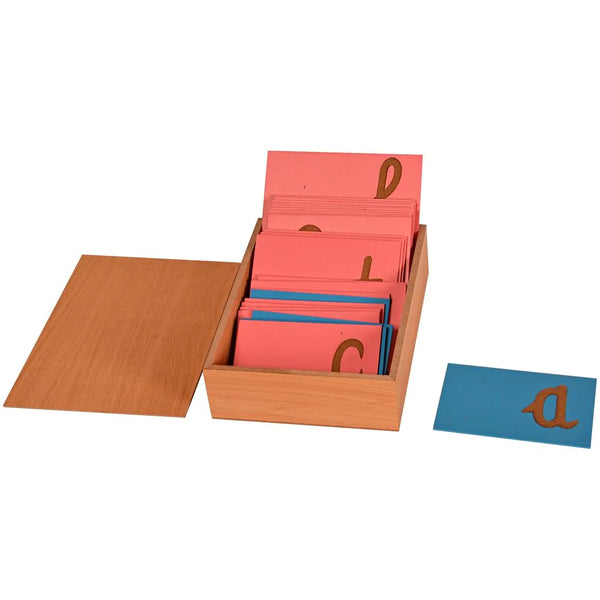
Homeschooling in India refers to the practice where parents or guardians take primary responsibility for educating their children outside a traditional public or private school setting. This matters because it offers families flexibility in curriculum, pedagogy, and schedule, tailoring learning to a child's unique needs and interests. Indian parents can explore various educational philosophies, like Montessori, to create a rich home learning environment.
Understanding the Legal Aspects of Homeschooling in India
The absence of specific homeschooling laws India often leads to confusion. However, the Right to Education (RTE) Act of 2009 is key here. It mandates education for children aged 6 to 14 years. Crucially, the Act focuses on the child's right to education, not necessarily their right to attend a specific type of institution. As long as parents ensure their child receives an education of comparable quality, they are fulfilling their duty under the RTE Act. This interpretation has allowed homeschooling to thrive quietly across the country.
Research indicates a significant rise in homeschooling, especially after recent global events. For example, a 2021 survey by the National Home Education Research Institute (though international, reflects a global trend mirrored in India) showed sustained growth in home education. The Times of India and The New Indian Express have highlighted how Indian families are choosing this path for diverse reasons, from academic flexibility to safeguarding mental health.
Navigating Homeschooling Regulations in India: The NIOS Pathway
While direct government regulation for homeschooling is minimal, a widely accepted pathway for formal recognition and certification is through the National Institute of Open Schooling (NIOS). NIOS is an autonomous organization under the Ministry of Education, Government of India, offering open and distance learning programs up to pre-degree level. It provides a structured curriculum, examinations, and certificates that are equivalent to those offered by other national boards like CBSE and ICSE.
For parents like Aarti in Pune, who wanted their child, Rohan, to have a flexible learning schedule while still preparing for competitive exams, NIOS provided the perfect solution. Rohan could learn at his own pace using a blend of online resources and practical, hands-on Montessori method learning materials, and then sit for NIOS exams when ready. This approach aligns with the growing trend highlighted by thecore.in, where families are opting for customized educational journeys.
Current Homeschooling Status India: Beyond Formal Frameworks
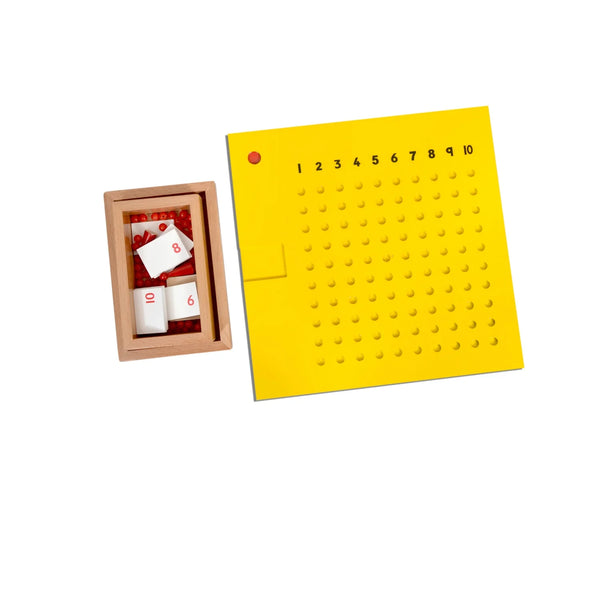
For children in the early years, particularly 0-6 years, the discussion around formal legal status is less pressing. This is the foundational period for development, as emphasized by Dr. Maria Montessori, where sensory exploration and practical life skills are paramount. During these years, parents often focus on creating a rich learning environment at home, using tools like activity kits and open-ended toys that foster natural curiosity and cognitive growth.
Child development experts agree that for toddlers and preschoolers, the quality of interaction and engagement matters far more than formal schooling. A child learning to sort coloured beads or practicing pouring water in a Bengaluru home is gaining crucial pre-academic skills, regardless of registration. The focus shifts from regulatory compliance to developmental appropriateness, allowing families to prioritize their child's unique pace and interests.
The Importance of Community and Resources for Indian Homeschoolers
Even without explicit homeschooling regulations India, a vibrant homeschooling community thrives. Groups on social media, local meet-ups in cities like Delhi and Chennai, and dedicated forums provide invaluable support, curriculum ideas, and social opportunities. These communities often share insights on navigating academic requirements, sourcing educational materials, and ensuring holistic development.
SkilloToys.com, as India's leading Montessori educational toys store, is committed to supporting this community. We understand that effective homeschooling, especially in the early years, hinges on access to quality, developmentally appropriate learning tools. Providing children with sensorial materials, practical life tools, and open-ended toys empowers them to learn through discovery, a cornerstone of successful home education.
While the formal legal landscape for homeschooling in India might seem ambiguous, the practical reality is one of freedom and choice for parents. By understanding the spirit of the RTE Act and utilizing pathways like NIOS, along with rich community resources and quality educational tools, Indian families can confidently embark on a rewarding homeschooling journey for their children.