Fine Motor Skills Activities: 5 Montessori Tricks
Parents across India are actively seeking effective fine motor skills activities to support their children's development, a timely concern echoed in recent 'The Times of India' reports highlighting the importance of early intervention. The good news is that fostering these crucial skills can be incredibly fun and integrated seamlessly into daily life, especially with Montessori-inspired approaches. By implementing purposeful engagement, we can truly supercharge our children's dexterity and prepare them for future success.
Fine motor skills are the coordination of small muscles, primarily in the hands and fingers, with the eyes. This matters because these skills are foundational for essential daily tasks like writing, buttoning clothes, and self-feeding, directly impacting a child's independence and school readiness. Indian parents can actively foster these abilities through engaging, purposeful play.
Montessori Principles for Supercharging Fine Motor Skills
Maria Montessori's philosophy, deeply rooted in observing children, offers powerful insights into how best to support physical development. Rather than rote learning, Montessori emphasizes hands-on exploration with specially designed materials, allowing children to refine their movements through repetition and self-correction. Child development experts agree that this approach is exceptionally effective in fostering precision, concentration, and independence, which are hallmarks of robust fine motor control.
The beauty of Montessori for developing fine motor skills for kids lies in its emphasis on 'Practical Life' activities – tasks that mimic real-world responsibilities. These aren't just playful exercises; they are carefully structured opportunities for a child to master control over their body and environment. Research from the Indian Academy of Pediatrics consistently highlights the profound link between early fine motor proficiency and later cognitive and academic achievements.
Trick 1: Embrace Practical Life – The Everyday Indian Home is a Classroom
Your bustling Indian home is a goldmine for fine motor development tricks. Think beyond formal toys and look at the rich opportunities in daily chores. For a three-year-old like Aarya in Bengaluru, helping her Dadi sort through different coloured pulses for dinner isn't just a chore; it's a precise pincer grasp exercise, enhancing hand-eye coordination and concentration. Kneading atta for rotis offers wonderful sensory and strength-building input for small hands.
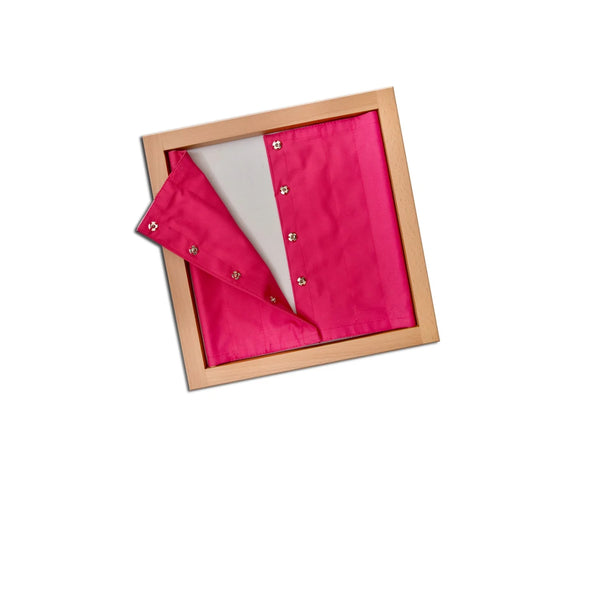
In a Montessori setting, activities like pouring water from one jug to another, sweeping up a small spill with a child-sized broom, or buttoning a kurta on a dressing frame are called 'works'. You can replicate this by involving your child in kitchen tasks, setting the table, or even letting them wipe down low surfaces. These practical activities naturally engage their hands in purposeful movement, refining control and dexterity. Explore a range of Montessori fine motor toys and activities that complement these home-based efforts.
Trick 2: Precision with Pincers – The Power of Pinching and Grasping
The pincer grasp, involving the thumb and forefinger, is foundational for writing and many daily tasks. Children aged 18-24 months begin to refine this skill. Instead of just giving them blocks, offer smaller, more challenging items. Imagine your child carefully picking up colourful rangoli beads one by one with child-sized tongs and transferring them to a bowl. This is a delightful way to supercharge fine motor skills.
Simple activities like using clothes pegs to clip cards onto a line, peeling a small banana or a chickoo, or transferring cotton balls with tweezers are excellent for strengthening those tiny hand muscles. These exercises are not only fun but also build the hand strength and coordination needed for holding a pencil correctly later on. You can find excellent transferring and bead work materials that support this development.
Trick 3: Artistic Endeavors with Purpose – Beyond Random Scribbles
Art is not just about creativity; it's a powerful fine motor workout. Instead of open-ended free drawing all the time, introduce activities that require control and precision. Tearing paper into small pieces to make a collage, for instance, strengthens finger muscles and coordination. Stringing marigold flowers for a puja decoration develops bilateral coordination and focus.
Provide thick crayons, chunky paintbrushes, or even small sticks for drawing in sand or mud. Emphasize the process and effort, not just the final product. Even cleaning up paintbrushes after an activity becomes a fine motor 'work'. These controlled artistic expressions help bridge the gap between gross movements and delicate hand control.
Trick 4: Build, Stack, & Construct – Engineering Little Fingers
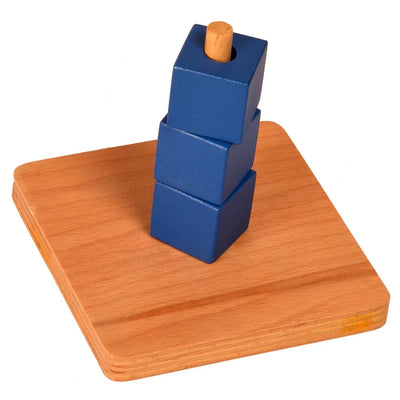
Building activities are classic ways to enhance fine motor skills and spatial reasoning. From stacking simple wooden blocks to assembling more complex puzzles or connecting construction toys, each action demands precision. The satisfying clunk of one block landing perfectly on another, or the focused effort to fit a puzzle piece, refines hand-eye coordination.
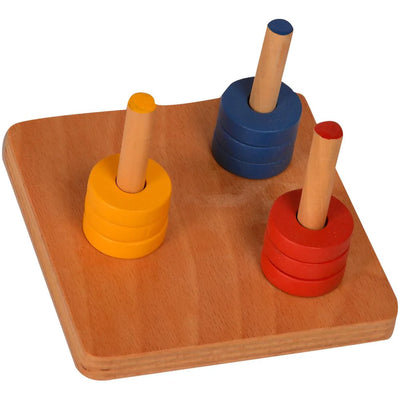
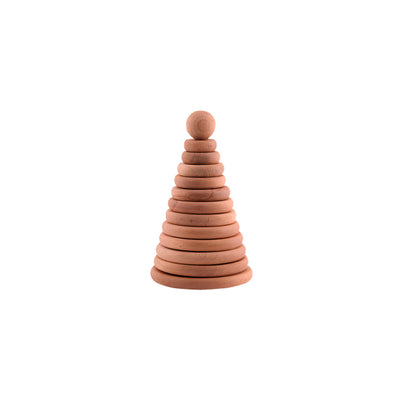
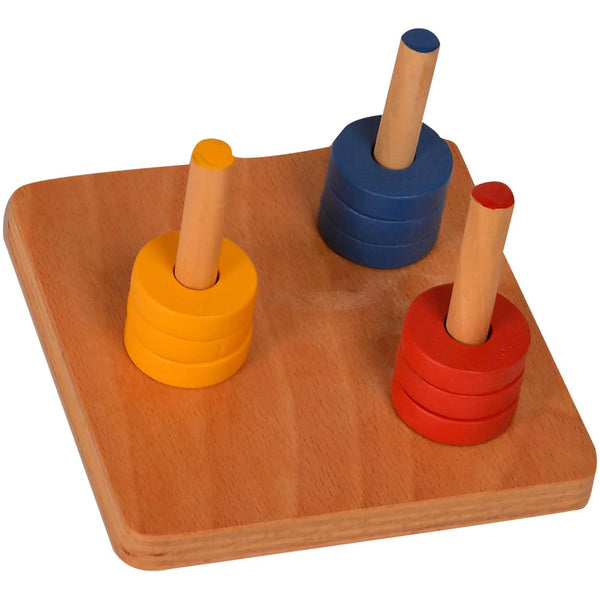
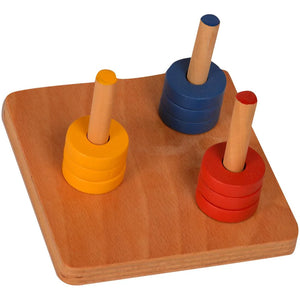
Introduce puzzles with different knob sizes, graduated stacking towers, or even interlocking blocks that require a bit more force and alignment. These activities build finger strength, manipulative skills, and problem-solving abilities. SkilloToys offers a wide range of Montessori-aligned building and puzzle materials specifically designed to foster these crucial skills.
Trick 5: Self-Care & Independence – The Joy of Doing It Themselves
Montessori places a high value on self-care, recognizing its role in developing independence and practical skills. Encourage your child to dress themselves, even if it takes longer. Learning to button their own shirt, zip their jacket, or put on their sandals are complex fine motor sequences. These aren't just chores; they are developmental milestones.
Provide opportunities for them to brush their own teeth, comb their hair, or pour their own water from a small pitcher during meals. The consistent practice of these self-help tasks strengthens their hand muscles, improves dexterity, and builds immense self-confidence. Offering dressing frames or lacing boards can provide structured practice for these vital life skills.
Empowering your child's fine motor development doesn't require expensive gadgets; it calls for thoughtful engagement and a belief in their innate capacity to learn. By integrating these Montessori-inspired tricks into your daily routine, you're not just 'supercharging' their hands; you're nurturing their independence, concentration, and a lifelong love for learning. Observe your child, follow their lead, and celebrate every small mastery.