Play's Importance for Motor Skills: A Child's Right (UNICEF & Montessori)
The importance of play for motor skills cannot be overstated; it is a fundamental pillar of child development, universally recognised as a child's right by global organisations like UNICEF. For children in Bengaluru and across India, engaging in free, self-directed play is not just leisure but a critical pathway for developing physical coordination, strength, and dexterity.
Play-based motor skill development is the natural process where children refine physical abilities, from grasping to running, through spontaneous activities. This builds crucial neural pathways, enhancing coordination and foundational learning. Indian parents can foster this by providing stimulating environments encouraging free exploration and movement.
Play as a Right: The UNICEF and Montessori Connection
Recent global advocacy from UNICEF, highlighted in their 'It's Right to Play' initiative, powerfully reminds us that play is not a privilege but an inherent right for every child. This perspective deeply resonates with the philosophy of Dr. Maria Montessori, who championed freedom of movement and self-directed activity as essential for a child's holistic growth, particularly in developing robust motor skills.
Research shows that denying a child opportunities for free play can hinder their physical, cognitive, and emotional development. Montessori education, for example, is built upon the principle that children learn best through hands-on exploration in a prepared environment, where they are free to choose activities that naturally challenge and refine their motor abilities. This freedom is critical for developing intrinsic motivation and body awareness.
The Unseen Architect: How Unstructured Play Builds Motor Skills
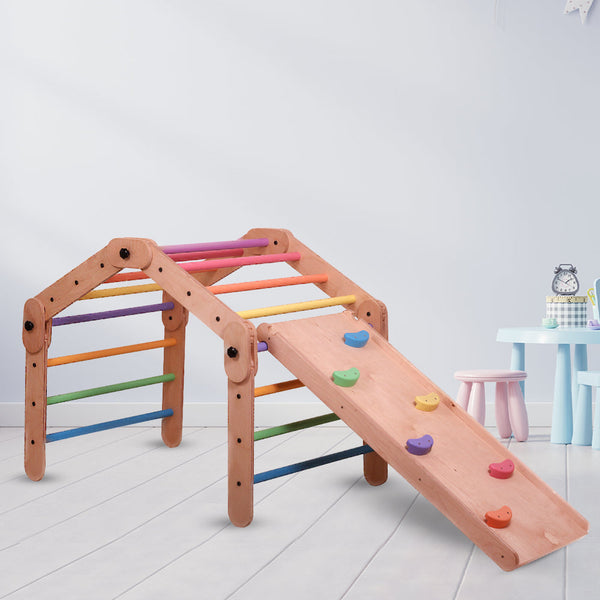
Unstructured play is the child's own workshop for motor skill development. When a three-year-old, like Aarya in a busy Bangalore joint family, climbs on a low stool to reach a toy or tries to balance on a curb during a walk, they are honing their gross motor skills—balance, coordination, and spatial awareness. The satisfying clunk of one wooden block landing on another, or the frustrated grunt when a tower falls, are all sensory inputs that drive learning.
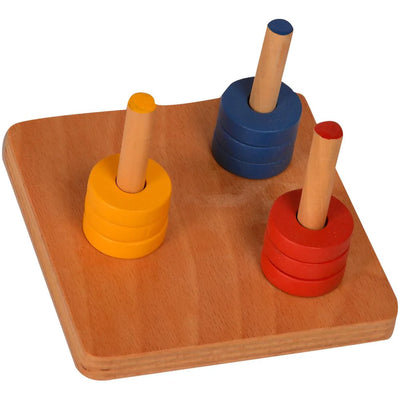
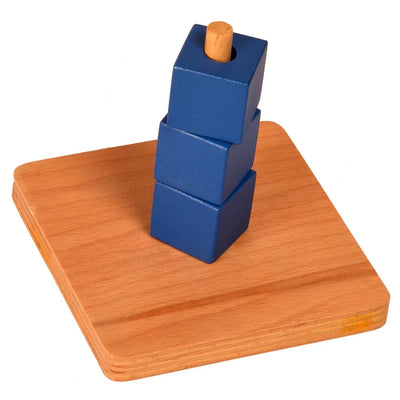
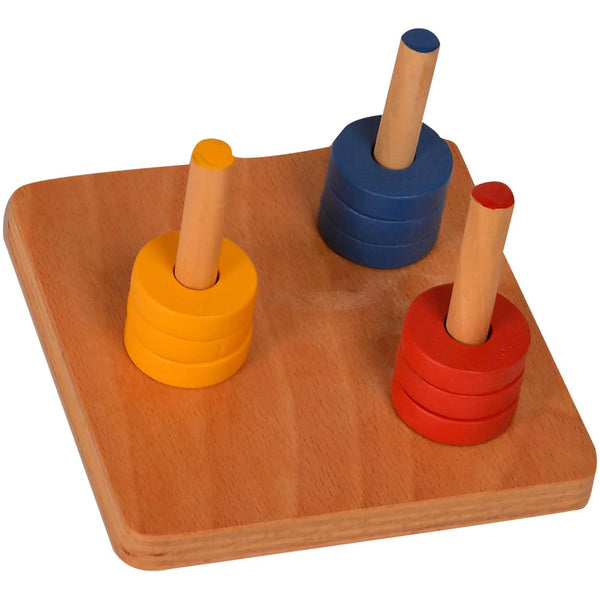
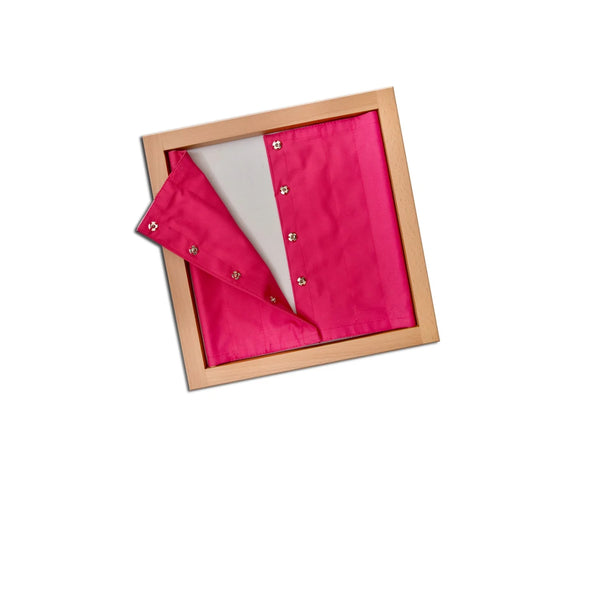
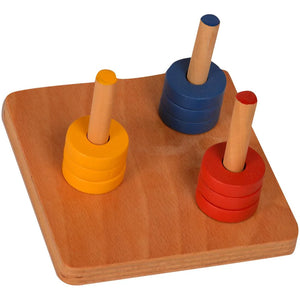
Similarly, Montessori fine motor toys, such as sorting beads or intricate puzzles, allow children to develop precision, hand-eye coordination, and finger dexterity. These aren't just 'fun tricks' but essential developmental tasks. Child development experts agree that these varied experiences, born out of a child's natural curiosity, lay the groundwork for skills like writing, dressing themselves, and even complex athletic movements later in life.
Cultivating Motor Skills in the Indian Home: Practical Montessori-Inspired Approaches
For Indian parents, balancing academic pressures with a child's need for play can be challenging, especially in urban environments with limited space. However, integrating Montessori principles can transform everyday life into a motor-skill-boosting playground. Create a 'prepared environment' by ensuring safe, accessible spaces for free movement and offering open-ended toys that invite exploration.
Consider the age-old tradition of a Dadi or Nani massaging a baby with warm oil. This isn't just about comfort; it's a powerful source of proprioceptive input – the sense of body position and movement – which Western therapists now actively use for infant self-regulation and foundational gross motor development. This cultural practice beautifully illustrates the inherent wisdom in our traditions.
Embracing the "Right to Play" at Home
Allowing children the freedom to choose their activities within safe boundaries is key. For a two-year-old, this might mean stacking cooking utensils (under supervision) or helping water plants. For older children, it could be engaging in imaginative play with building sets, which supports both gross motor skill development through movement and fine motor skills through manipulation. The aim is to observe, encourage, and provide resources without overly directing the play.
By championing the Montessori learning materials and embracing UNICEF's call for play as a right, Indian parents can ensure their children not only meet developmental milestones but also flourish into confident, capable individuals. Prioritise play not as a break from learning, but as its very foundation.