Kannada Vowels Activities: Boosting Fine Motor Skills
Mastering kannada vowels and alphabets through Montessori activities significantly enhances a child's fine motor skills, a foundational aspect of early development that prepares them for school and independent living. Research shows that engaging children in purposeful, hands-on tasks, like those found in Montessori pedagogy, directly contributes to better hand-eye coordination and dexterity. For Indian parents, this means a tangible way to support their child's school readiness, a key focus in discussions like the 'padhai pivot' for Viksit Bharat 2047, ensuring children are not just learning, but thriving.
Montessori Kannada activities are specially designed, hands-on experiences that introduce children to the kannada alphabets and kannada letters using a multi-sensory approach. This method matters because it fosters independence, concentration, and precision, critical skills for holistic development. Indian parents can implement these activities at home to nurture both language acquisition and essential fine motor skills Kannada.
Montessori Kannada Activities Build Strong Fine Motor Skills
Child development experts agree that fine motor skills, such as those used for writing and self-care, are built through consistent, purposeful interaction with the environment. Maria Montessori herself emphasized the importance of 'education of the hand,' recognizing that manipulating objects helps refine muscle control and coordination. Studies indicate that children engaged in structured play involving fine motor tasks exhibit better pencil grip and pre-writing readiness, essential for primary school success. These Montessori-inspired activities specifically target the development of fine motor skills Kannada children need, turning language learning into a powerful tool for physical development, as highlighted in reports like '5 fun tricks to supercharge fine motor skills in your child' from The Times of India.
Integrating montessori kannada principles at home allows children to learn at their own pace, fostering a love for learning rather than rote memorization. This self-directed exploration, combined with the tactile nature of Montessori materials, provides a robust framework for building dexterity. For instance, tasks that involve picking up small objects, buttoning, or zipping not only prepare children for daily living but also lay the groundwork for legible handwriting of kannada letters.
Engaging Activities to Master Kannada Vowels and Alphabets
Bringing the joy of learning kannada vowels and kannada alphabets into your home can be a delightful and effective way to boost your child's fine motor development. These activities are designed to be engaging, accessible, and easily adapted to the Indian home environment, often using materials already available or easily sourced. Explore our wide range of Montessori educational materials for ideal learning tools.
1. Sandpaper Kannada Vowels Tracing
Introduce sandpaper Kannada vowels and Kannada alphabets, a classic Montessori material. Children trace the letter with their finger, feeling its textured shape, then sounding it out aloud. This multi-sensory approach solidifies letter recognition, builds muscle memory, and provides a direct preparation for fluent handwriting. The distinct feel of each letter helps distinguish similar shapes, enhancing cognitive processing.
2. Kannada Letter Tracing Tray (Rice/Ragi/Sand)
A simple tray filled with rice, salt, or even ragi flour allows children to trace Kannada letters they’ve seen or felt. This activity is incredibly tactile, forgiving for mistakes, and strengthens the small muscles in their hands and wrists. Many Indian households already have these materials, making it a culturally relevant and easy setup for creative exploration.
3. Kannada Vowel Pegging & Pinching Cards
Create cards featuring Kannada vowels alongside a corresponding number of dots or pictures. Children use clothespins to clip onto the card, matching the number or sound, or even clipping around the outline of a letter. The pinching action of clothespins is an excellent exercise for developing the pincer grip, which is crucial for holding a pencil correctly. Discover more tools for this at our fine motor skills collection.
4. Kannada Letter Building with Natural Materials
Encourage children to form Kannada alphabets using small sticks, pebbles, dried beans, or even strands of dough like chapati dough. This open-ended activity promotes creativity, problem-solving, and precise manipulation of objects, all while engaging with the shapes of kannada letters. Grandparents often enjoy participating, sharing traditional crafts and making it a beautiful intergenerational activity.
Why Early Kannada Language Development Matters for Indian Children
Beyond just academics, nurturing kannada vowels and kannada alphabets early on strengthens a child's connection to their cultural heritage, fostering a sense of identity and belonging within their community. Early exposure to the mother tongue supports cognitive flexibility and can even enhance the learning of other languages. This foundational language literacy directly contributes to school readiness, addressing the national goal of 'Viksit Bharat 2047' by equipping children with robust communication skills from a young age.
Utilizing engaging kannada educational toys and activities ensures that learning remains a joyful and enriching experience, not a chore. This approach prepares children not only for the formal demands of school but also for navigating their rich linguistic environment with confidence. It empowers them to articulate thoughts, understand stories, and connect with their family roots, from festive celebrations to daily conversations.
Choosing the Right Montessori Kannada Educational Toys
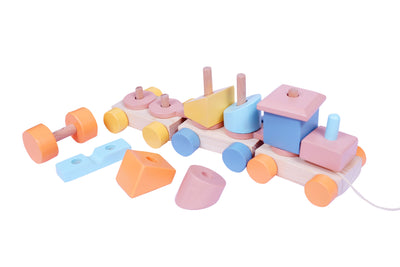
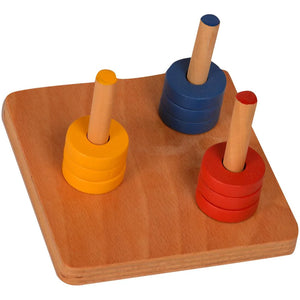
When selecting kannada educational toys for your child, prioritize those that are self-correcting, allow for independent exploration, and are crafted from natural materials. Look for items like wooden kannada letters puzzles, stacking blocks with kannada alphabets, or lacing cards that feature local themes or symbols. These toys are not just playthings; they are carefully designed tools that empower children to discover, learn, and refine their fine motor skills Kannada through meaningful engagement.
Investing in quality Montessori materials or thoughtfully chosen educational toys can provide immense value, often more sustainably than expensive skill classes. The Economic Times recently highlighted how parents are 'Spending ₹1 lakh on preschool activities?' and the smart ways to plan and save. Home-based Montessori learning, supported by effective toys, offers a powerful alternative or supplement, providing a solid foundation in language and motor skills without the hefty price tag. Always consider the child's developmental stage and interests to ensure the toys are both challenging and appropriate.
- Montessori activities provide a structured yet playful path to mastering Kannada vowels and alphabets.
- Engaging in hands-on language activities significantly boosts fine motor skills crucial for writing and self-care.
- Early exposure to Kannada letters fosters cultural connection, cognitive development, and enhances school readiness.
- Child development experts endorse multi-sensory learning for comprehensive language acquisition in young children.
- Utilizing simple household items and dedicated Montessori materials supports effective home-based learning of Kannada.
- Investment in purposeful kannada educational toys at home can effectively supplement preschool learning, addressing parental concerns about skill class costs.
How do Montessori activities help children learn Kannada vowels?
Montessori activities engage multiple senses—sight, touch, and sound—to introduce Kannada vowels, creating deeper memory connections. Children physically interact with sandpaper letters, trace shapes in sand, and hear the sounds, solidifying their understanding. This multi-sensory approach is scientifically proven to enhance language acquisition and retention in young learners.
What are some simple fine motor skills Kannada activities I can do at home?
Simple fine motor skills Kannada activities include tracing Kannada alphabets in a tray of rice or salt, using clothespins to match letter cards, or building Kannada letters with small dough pieces. These everyday activities strengthen hand muscles, improve dexterity, and prepare children for writing. Many items found in Indian homes can be repurposed for these engaging tasks.
At what age should I introduce Kannada letters to my child?
Child development experts suggest introducing Kannada letters informally around 2.5 to 3 years of age, often through play and sensory exploration, before formal writing. The key is to follow the child's interest and readiness, making the learning experience joyful and stress-free. Focused Montessori Kannada activities are ideal during this sensitive period for language.
Are Kannada educational toys truly effective for language learning?
Yes, Kannada educational toys are highly effective when they are well-designed and align with Montessori principles, offering hands-on, self-correcting learning experiences. They transform abstract concepts like Kannada vowels into tangible, interactive objects, making learning engaging and accessible for young minds. Such toys are a valuable investment in a child's early literacy journey.
How can I ensure my child develops strong fine motor skills for writing Kannada?
Ensuring strong fine motor skills for writing Kannada alphabets involves consistent practice with varied activities that strengthen hand-eye coordination and finger dexterity. Activities like cutting with child-safe scissors, threading beads, using tongs, and practicing pre-writing strokes all contribute significantly. Incorporating these into daily play helps build the necessary muscle memory and control.