Doll House for Kids: Choosing Best for Play-Based Learning
Choosing the ideal doll house for kids means prioritising open-ended design, durable natural materials, and age-appropriateness that fosters imaginative, social-emotional, and cognitive development. For Indian parents navigating busy households, a well-chosen doll house becomes a powerful tool for quiet, focused play and understanding family dynamics, free from academic pressure, perfectly aligning with the spirit of play-based learning advocated across India.
As discussions around early childhood education gain momentum, from UNICEF's global initiatives to India Development Review's calls for play to improve learning in classrooms, the humble doll house stands out. It's not merely a toy; it's a miniature universe where children experiment with social rules, emotional expressions, and narrative creation. For parents in Bengaluru and across India, understanding how to select an educational doll house is key to harnessing its full developmental potential.
What is an Educational Doll House?
A play-based learning doll house is more than just a toy; it’s a miniature world designed to stimulate a child’s imagination, social skills, and cognitive abilities through unstructured, self-directed play. This matters because it allows children to process real-world scenarios, develop empathy, and practice problem-solving in a safe, engaging environment. Indian parents can use it to foster storytelling and connection to family narratives, even recreating festival scenes or daily family routines.
Why a Doll House is Essential for Play-Based Learning in India
Child development experts agree that symbolic play, like that found with a doll house, is crucial for holistic growth. It offers a tangible space for children to mimic and understand the adult world around them. “Play is how children make sense of their world,” as Maria Montessori famously taught, and a doll house provides a controlled microcosm of that world.
For children growing up in India, often surrounded by the vibrant dynamics of joint families, a doll house becomes an invaluable tool. It allows them to act out complex relationships – the loving bond with a Dadi, the playful squabbles between cousins, or the daily rhythm of a busy household. Research shows that engaging with such “small world” play helps children process emotions, develop empathy, and build a robust vocabulary to describe their experiences.
The Montessori Perspective: Simple is Profound
The Montessori method, championed by SkilloToys, emphasises materials that are simple, realistic, and encourage self-correction and exploration. When it comes to a doll house, this translates to minimal distractions and maximum potential for imagination. An "empty" doll house, rather than one filled with overly specific features, compels a child to fill it with their own stories, furniture, and scenarios, fostering deeper cognitive engagement and creativity – a non-obvious insight often overlooked by parents.
What to Look For: Key Features of the Best Doll House for Kids
Choosing the best doll house for kids requires careful consideration beyond just aesthetic appeal. Focus on features that actively promote learning and sustained engagement.
Material Matters: Durable, Natural, and Safe
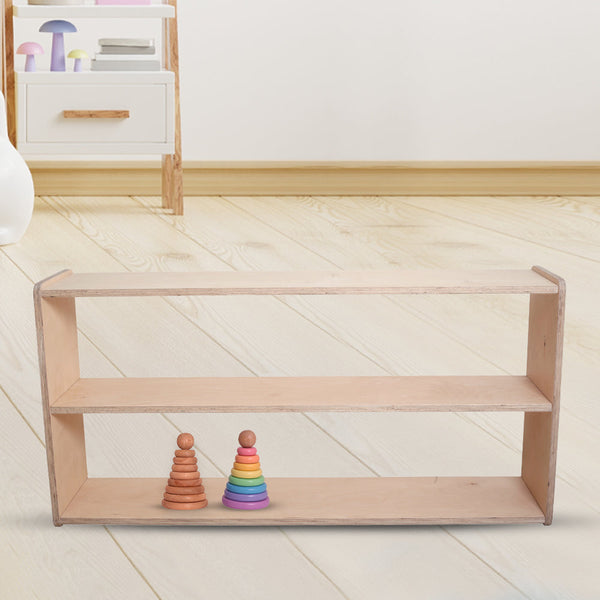
Opt for doll houses made from natural materials like wood. Wooden doll houses are not only durable, standing up to years of enthusiastic play, but also offer a superior tactile experience compared to plastic. They are generally safer, free from harmful chemicals, and contribute to a healthier play environment. When exploring "best doll house for kids," always prioritise "wood" as a key search filter.
Open-Ended Design: Fueling Imagination
The most effective doll houses for play-based learning are those with open-ended designs. This means simple structures, movable walls or furniture, and few fixed features. Such a design doesn't dictate play but invites the child to be the architect of their own stories, constantly adapting and reinventing their miniature world. This flexibility is crucial for developing problem-solving skills and creative thinking, unlike highly prescriptive toys that limit imagination.
Size and Accessibility: For Little Hands and Big Ideas
Consider a doll house that is appropriately sized for your child – typically child-height – allowing them easy access to all rooms and levels without strain. The individual pieces of furniture or dolls should also be manageable for small hands. This accessibility reduces frustration and encourages longer, more focused play sessions. A doll house that's too small or too intricate can hinder rather than help.
Age-Appropriateness and Safety: Growing with Your Child
Always check age recommendations to ensure the doll house is suitable for your child's developmental stage. For toddlers (18-36 months), look for simpler designs with chunky, non-choking hazard accessories. As children grow (3-6 years), they can handle more detailed furniture and smaller dolls. Prioritise non-toxic paints and finishes, ensuring the toy meets Indian safety standards, just as you would with activity kits or puzzles.
Integrating a Play-Based Learning Doll House into Indian Homes
A doll house is more than just a standalone toy; it’s a canvas for Indian family life. Imagine little Priya in a Bengaluru flat setting up a Diwali scene in her doll house, lighting miniature diyas, or Rohan enacting a visit to his Nani's village home. This kind of imaginative play connects children to their cultural roots and helps them process experiences in a personal, meaningful way.
Even with space constraints common in urban India, a clever “Montessori doll house” setup is possible. Choose a compact, well-designed wooden doll house that can be easily moved or stored when not in use. Encourage children to use small "props" from around the house – a small piece of cloth as a carpet, or pebbles as garden stones – further fostering resourcefulness and creative problem-solving. This hands-on approach reinforces the values of "Play-based learning for India’s future," as highlighted by The Hindu.
Parents can gently guide play by asking open-ended questions like, "What are the dolls doing today?" or "How does the little doll feel?" This nurtures storytelling and emotional literacy, transforming play into a rich learning experience. Remember, the goal is not to pressure children into "learning" but to allow them the freedom to explore and discover at their own pace.
The Last Word on Educational Doll Houses
Choosing an educational doll house is an investment in your child’s holistic development. By prioritising quality, open-ended design, and safety, you provide a powerful tool for imaginative, social, and cognitive growth. This choice supports the broader movement for play-based learning in India, empowering children to become confident, empathetic, and creative thinkers. Encourage your child to "play their way to learning" with a carefully selected doll house that mirrors the rich tapestry of Indian life.