Doll House for Kids: Integrating into a Montessori Home
Integrating a doll house for kids into a Montessori home is a proven method for fostering holistic child development, moving beyond simple entertainment to structured, purposeful play. This approach supports India's crucial investment in human capital, acknowledging that play truly is foundational infrastructure for young minds, as highlighted by recent reports in ET Government. It empowers children to explore practical life skills and imaginative scenarios, preparing them for the world with joy rather than academic pressure.
As parents in Bengaluru and across India increasingly seek enriching home environments, understanding how to seamlessly weave a dollhouse into a Montessori setting becomes vital. This guide will walk you through creating a space where a dollhouse becomes a powerful tool for learning, reflection, and growth, aligning with the growing emphasis on play-based learning championed by initiatives like ThinkWittsy.
What is Montessori Doll House Integration?
Montessori Doll House Integration involves incorporating an open-ended dollhouse into a child's prepared environment, allowing it to serve as a miniature replica of their world. This matters because it provides a tangible context for understanding social roles, practical life skills, and emotional expression. Indian parents can leverage this by selecting culturally relevant elements that resonate with their child's experiences.
Creating a Prepared Montessori Play Environment with Doll Houses
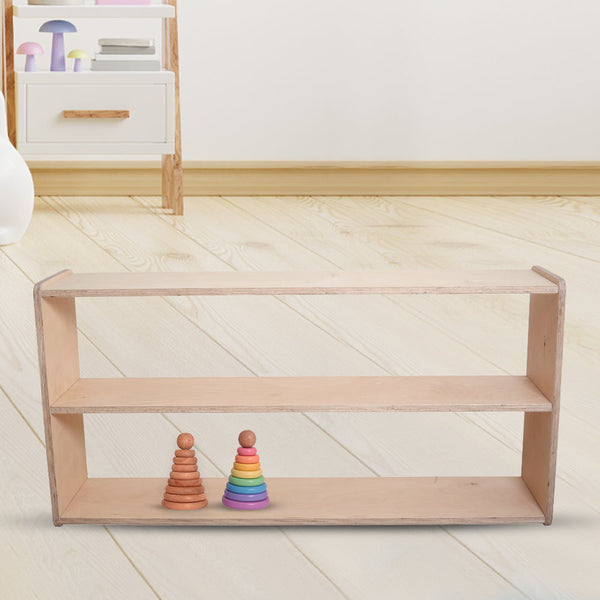
A successful Montessori play environment begins with a carefully prepared space, making the dollhouse accessible and inviting for your child. Research shows that an organised, child-centred environment fosters independence and concentration, allowing children to engage deeply with their play materials without adult intervention. This means placing the dollhouse at a child's eye level, ensuring all its components are within easy reach.
In many Indian homes, particularly joint families, designated play areas might be smaller. Yet, even a corner can be transformed into a rich Montessori play environment. Ensure the space is clutter-free and includes other relevant Montessori materials from our Montessori collection like activityKits or puzzles, which complement dollhouse play. This thoughtful arrangement signals to the child that this is their domain for exploration and learning, mirroring Maria Montessori's philosophy of respect for the child's agency.
Nurturing Practical Life Skills and Imaginative Play
A dollhouse is not just a toy; it's a powerful simulator for real-life experiences, fostering both practical skills and vibrant imagination. Child development experts agree that children learn by doing and mimicking, and a dollhouse provides the perfect canvas for this. Within the dollhouse, children can role-play daily chores like cooking meals for the family, tidying rooms, or caring for miniature dolls – all reflections of Montessori practical life skills dollhouse activities.
Imagine your child setting up a miniature kitchen for a pretend Diwali celebration or arranging a bedroom for visiting grandparents; these acts are profoundly educational. Such imaginative play Montessori experiences help develop fine motor skills, problem-solving abilities, and a sense of order. SkilloToys' activityKits can further enhance this, providing hands-on components that seamlessly integrate into their dollhouse narratives, bringing those practical scenarios to life.
Fostering Social-Emotional and Cognitive Child Development
The miniature world of a dollhouse provides a safe space for children to process emotions, understand social roles, and develop crucial cognitive abilities. Studies indicate that role-playing scenarios in a dollhouse significantly enhance a child's empathy, language development, and ability to negotiate social situations. For instance, children might act out scenarios of welcoming guests, resolving conflicts between doll characters, or preparing for events like the massive preschool celebrations seen around India's Independence Day, as exemplified by EuroKids.
This engagement strengthens their child development dollhouse skills by allowing them to experiment with different perspectives and problem-solving strategies. The dollhouse becomes a stage for understanding human connections and navigating the complexities of their world, contributing significantly to their overall social and emotional intelligence.
Encouraging Open-Ended Dollhouse Play for Lifelong Learning
The true magic of a Montessori-aligned dollhouse lies in its capacity for open-ended play, where the child's imagination is the primary driver, not pre-programmed features. This type of play, crucial for fostering creativity and critical thinking, means choosing a dollhouse and accessories that are simple, made from natural materials, and devoid of overly prescriptive roles. Research consistently shows that toys with fewer explicit functions encourage more creative and sustained play.
An open-ended dollhouse invites children to create their own stories, arrange furniture in countless ways, and even construct new scenarios using various loose parts. This approach nurtures their inherent curiosity and empowers them to be the architects of their own learning journey. Combining this with engaging puzzles or building blocks can further enhance problem-solving, making the dollhouse a hub for truly open-ended dollhouse play.
Integrating Indian Culture and Family Values into Dollhouse Play
To make the dollhouse truly resonate with an Indian child, integrate elements that reflect their rich cultural heritage and family life. This can be as simple as adding miniature Indian attire for the dolls, tiny clay pots for a pretend kitchen, or even small figurines representing grandparents or extended family members common in joint family setups. Celebrating festivals like Diwali or Holi in the dollhouse, with tiny decorations and pretend sweets, makes the play deeply personal and meaningful.
Such cultural integration allows children to see their own experiences and values reflected in their play, strengthening their identity and connection to their roots. It transforms the dollhouse into a powerful tool for cultural transmission and celebration, making the learning experience authentic and joyful for children across India.
- Montessori doll houses foster practical life skills and imaginative play.
- A prepared environment is crucial for maximizing dollhouse educational potential.
- Open-ended dollhouse play supports holistic child development in India.
- Dollhouses offer a safe space for children to process real-world experiences.
- Integrating cultural elements enhances dollhouse play relevance for Indian children.
- Child-sized, accessible dollhouses encourage independence and focused concentration.
How do you choose a Montessori doll house for kids?
Choose a doll house for kids that is open-ended, made from natural materials like wood, and free from excessive details or battery-operated features. Prioritise child-sized dimensions and a simple design that encourages imaginative play rather than dictating it, allowing for endless creative possibilities.
What age is best for introducing a doll house in a Montessori home?
A doll house can be introduced to children as young as 18-24 months for simple exploration, with more complex imaginative play developing between ages 3-6 years. The key is to observe your child's readiness and offer age-appropriate accessories, allowing them to engage with the dollhouse at their developmental pace.
How does a doll house support Montessori practical life skills?
A doll house fosters Montessori practical life skills by allowing children to mimic daily routines like cooking, cleaning, and caring for others in a miniature setting. This hands-on, self-directed play helps them develop fine motor skills, order, concentration, and independence, all foundational to real-world tasks.
Can dollhouses help with child development in a joint family setting?
Yes, dollhouses are excellent for child development in a joint family setting as they provide a safe space to role-play family dynamics, foster empathy, and understand social interactions. Children can recreate scenarios involving grandparents, siblings, and cousins, enhancing their social-emotional intelligence and cultural understanding.
What are examples of open-ended dollhouse play?
Open-ended dollhouse play involves scenarios where the child dictates the narrative, such as designing a new layout for the rooms, preparing a pretend Diwali feast, or having the dolls go on an adventure. It encourages creativity and problem-solving without predetermined outcomes, using minimal props to spark imagination.