Educational Toys Build Real-World Skills for Life
Educational toys are fundamentally crucial for preparing children for life, extending far beyond conventional academic benchmarks to cultivate vital real-world skills. These thoughtfully designed tools empower children to develop critical thinking, problem-solving abilities, and robust social-emotional intelligence, fostering a holistic growth essential for navigating the complexities of their world.
This perspective resonates deeply with recent insights, such as the Hindustan Times' affirmation, "Play. It prepares us for learning and life," underscoring the profound, lasting impact of engaging, purposeful play. For Indian parents navigating a rapidly evolving society, choosing the right toys is not just about fun; it's about equipping children with the adaptability and resilience needed for a fulfilling future.
What Are Real-World Skills for Children?
Real-world skills are practical, social, and emotional competencies essential for independent functioning and effective interaction in everyday life. This matters immensely because they build resilience, adaptability, and problem-solving capabilities crucial for future success. Indian parents can nurture these skills by integrating purposeful play and hands-on learning experiences into their children's daily routines.
Building Essential Life Skills for Kids Through Play
Research consistently shows that play is the primary mechanism through which children learn to interact with their environment and develop crucial life skills for kids. Engaging with educational toys naturally encourages children to identify problems, strategize solutions, and adapt when initial attempts don't work. For instance, constructing a complex tower or completing a challenging puzzle helps build perseverance and logical reasoning.
Child development experts agree that this type of experiential learning cultivates resilience – a vital trait in an Indian context where children often grow up in multi-generational homes, learning to navigate diverse personalities and responsibilities from a young age. These early experiences, facilitated by purposeful play, teach children how to negotiate, share, and even manage simple household tasks, mirroring the practicalities of a joint family setting.
Studies indicate that children who regularly engage in constructive play exhibit better coping mechanisms for stress and greater emotional regulation. This foundational learning, fostered through Montessori principles of self-directed discovery, prepares them not just for school exams but for the ebb and flow of real life, reducing academic pressure by making learning an enjoyable journey rather than a stressful race.
Fostering Social and Emotional Intelligence: A Core Play-Based Learning Benefit
A significant play-based learning benefit is the profound development of social and emotional intelligence. When children engage in imaginative play with others, they naturally learn empathy, cooperation, and effective communication. Taking on different roles in a pretend market or collaborating to build a fort teaches them to understand varying perspectives and work together towards a common goal.
This early socialisation is invaluable in the diverse fabric of Indian society, where community bonds and respectful interaction are paramount. Educational toys, particularly those that encourage collaborative construction or role-play, become mini-laboratories for social dynamics. This focus on holistic development through play is mirrored by initiatives across India, such as Kara4Kids expanding early childhood education with inclusive, play-based learning, recognising its pivotal role.
Such interactions help children articulate their feelings, resolve conflicts peacefully, and build self-confidence. These skills are critical for success in school and beyond, equipping them to navigate friendships, group projects, and even the future demands of a professional environment, ensuring they are well-adjusted and compassionate individuals.
Developing Practical Real-World Skills for Children in a Montessori Environment
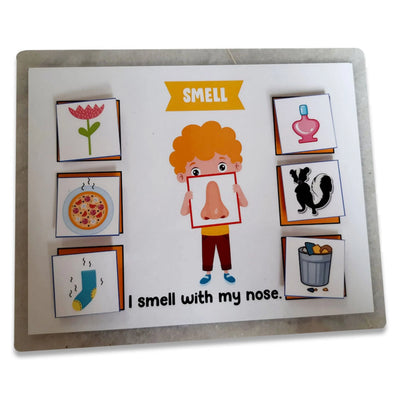
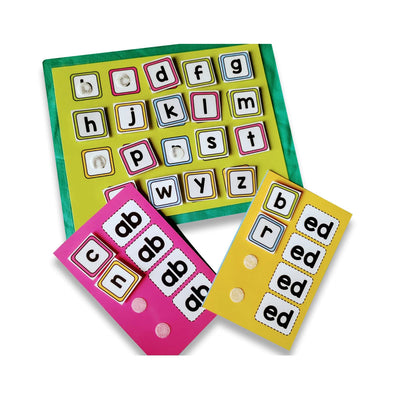
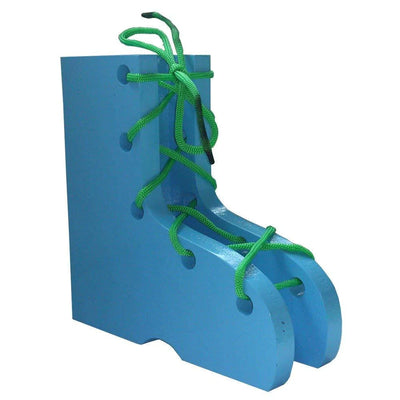
The Montessori philosophy, championed by Maria Montessori, places a strong emphasis on fostering real-world skills for children through practical life exercises. These activities, often replicated in high-quality educational toys, are designed to build independence, concentration, and fine motor control. Think of toddlers (18-24 months) learning to grasp and stack blocks, or preschoolers mastering a dressing frame with buttons and zippers.
Montessori life skills, such as pouring, scooping, and fastening, directly translate into a child's ability to care for themselves and contribute to their environment. These hands-on experiences, often found in a well-designed activity kit, are not just about completing a task; they refine hand-eye coordination, develop focus, and instill a sense of accomplishment. This independence is celebrated in Indian homes, where children are encouraged to participate in family routines and take pride in their self-sufficiency.
Through repetitive, purposeful engagement with these materials, children develop an intrinsic motivation for learning and an organised approach to tasks. This prepares them for academic challenges by strengthening underlying cognitive functions, all while fostering a joyful disposition towards work and responsibility.
Beyond Academics: Toys for Holistic Development
The true power of educational toys lies in their capacity for holistic development, preparing children not just for school but for the evolving landscape of life and careers. These toys encourage open-ended play, sparking creativity and imaginative thought – skills highly valued in India's dynamic innovation ecosystem. A child building an elaborate city with blocks or creating stories with puppets is engaging in advanced critical thinking and problem-solving.
Authoritative sources, including studies on early childhood education, consistently highlight that children engaged in diverse play experiences demonstrate greater adaptability and cognitive flexibility. These are crucial attributes for navigating an uncertain future, where rote learning is becoming increasingly obsolete. SkilloToys.com champions this approach, offering materials that spark curiosity and deep engagement, fostering lifelong learners.
From fine motor skills developed with sorting games to strategic thinking nurtured by building sets, the best Montessori learning materials provide a rich foundation. This development ensures children grow into resilient, innovative, and socially conscious individuals, ready to thrive in any facet of the real world.
Cultivating Future-Ready Individuals, Joyfully
Choosing educational toys for your child is an investment in their complete development, moving beyond the confines of academic pressure to embrace a future where real-world skills are paramount. SkilloToys.com offers a thoughtfully curated selection designed to nurture independence, creativity, and critical thinking, ensuring your child is not just learning, but thriving.
Empower your little one with the joy of discovery and the confidence that comes from mastering life's essential skills, one playful moment at a time. This holistic approach ensures children are well-equipped to face challenges, contribute meaningfully, and lead joyful, impactful lives.
- Educational toys foster real-world skills like problem-solving and critical thinking.
- Montessori principles in toys build independence and practical life abilities.
- Play-based learning significantly enhances social-emotional development in children.
- Early engagement with educational toys prepares kids for future challenges beyond academics.
- These toys contribute to holistic development, crucial for success in dynamic environments.
- Research confirms play is vital for learning and life-long skill acquisition.
How do educational toys support real-world skill development?
Educational toys directly support real-world skill development by providing hands-on experiences that encourage problem-solving, critical thinking, and decision-making. They simulate real-life scenarios, allowing children to practice essential skills like fine motor coordination, spatial reasoning, and social interaction in a safe and engaging environment.
What are some examples of Montessori life skills fostered by toys?
Montessori life skills fostered by educational toys include practical abilities like dressing oneself, pouring water without spilling, buttoning, zipping, and spooning. These activities, often found in Montessori practical life materials, build independence, concentration, and fine motor control, directly translating to daily tasks at home and school.
Can play-based learning truly reduce academic pressure for Indian children?
Yes, play-based learning can significantly reduce academic pressure by making learning joyful and intrinsically motivated, rather than rote memorization. It fosters a love for discovery and exploration, building foundational cognitive and emotional skills that support academic success naturally, without the stress of conventional methods often seen in Indian schooling.
At what age should parents start introducing educational toys for life skills?
Parents should begin introducing educational toys for life skills as early as infancy, adapting choices to the child's developmental stage. Simple activities like grasping and stacking for toddlers evolve into complex puzzles and role-play kits for preschoolers, consistently nurturing skills that grow with the child.
Where can I find quality educational toys focused on real-world skills in India?
You can find quality educational toys specifically focused on real-world skills at reputable stores like SkilloToys.com, India's leading Montessori educational toys store based in Bengaluru. We offer a curated selection designed to promote holistic development and prepare children for life's challenges, aligning with international pedagogical standards.