Educational Toys: Key to Play-Based Learning for Kids
Educational toys are indispensable tools for fostering play-based learning in children, providing hands-on experiences that develop crucial cognitive, social, and emotional skills naturally. Research shows these carefully designed items empower children to explore, discover, and build foundational knowledge through joyful engagement, essential for their holistic growth in an Indian home. As parents and educators increasingly seek meaningful ways to support child development, understanding the profound impact of well-chosen educational toys for kids becomes paramount.
In the bustling energy of Indian households, amidst joint family narratives and the desire for every child to thrive, the role of play has never been more vital. This is especially true with the ongoing national discourse around 'Viksit Bharat' and the emphasis on early childhood development, positioning play-based learning not just as recreation but as a cornerstone of future success. SkilloToys.com stands as Bengaluru's trusted resource for families seeking to integrate this powerful approach into their children's lives.
What is Play-Based Learning?
Play-based learning is an educational approach where children learn through actively engaging in play activities, rather than through direct instruction. This matters because it fosters intrinsic motivation, problem-solving skills, and creativity, laying a robust foundation for lifelong learning. Indian parents can implement this by providing rich environments with stimulating play opportunities and age-appropriate materials.
Child development experts agree that play is a child's natural language for learning. This method aligns with the philosophy championed by Dr. Maria Montessori, who advocated for environments where children could freely explore and learn at their own pace. Such an approach significantly reduces academic pressure, allowing children to develop confidence and a genuine love for discovery, rather than rote memorisation.
Why Educational Toys are Essential for Holistic Child Development
Educational toys are more than mere distractions; they are purposeful instruments designed to stimulate specific areas of a child's growth, ensuring a well-rounded development. These carefully crafted items nurture cognitive abilities, enhance fine and gross motor skills, and cultivate essential social-emotional intelligence from an early age. For instance, a toddler engaging with activity kits might be developing hand-eye coordination while also learning about cause and effect.
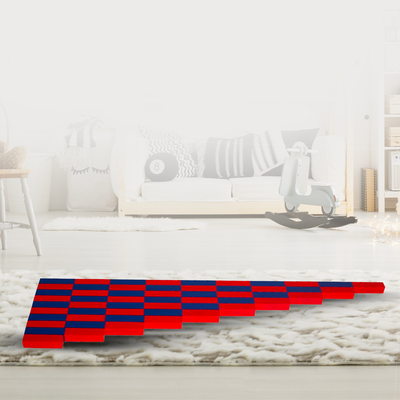
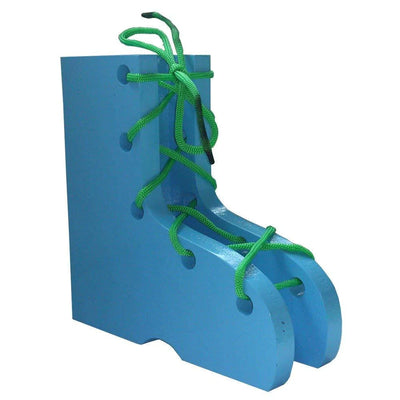
In the Montessori framework, every toy is a 'material' with a specific learning objective, from the sensorial exploration offered by the Pink Tower to the practical life skills learned through dressing frames. These materials are designed for self-correction, allowing children to learn from their mistakes independently. This builds resilience and fosters a sense of accomplishment crucial for their evolving personalities, preparing them for the challenges ahead in schools and life.
Bridging the Gap: How Play-Based Learning Toys Empower Children
Play-based learning toys are critical in empowering children to become active participants in their own education, bridging the gap between abstract concepts and concrete understanding. These toys transform complex ideas into accessible, hands-on experiences, enabling children to grasp foundational principles through joyful exploration. For example, a child manipulating puzzles is not just playing, but actively developing spatial reasoning, problem-solving strategies, and persistence.
This approach is particularly relevant in the Indian context, where the focus on 'Viksit Bharat' emphasizes strong foundational learning from early childhood. Research from organisations like the India Development Review indicates that play can significantly improve learning outcomes in classrooms by fostering engagement and critical thinking. Instead of merely memorizing, children are encouraged to question, experiment, and innovate, preparing them to tackle real-world challenges with confidence and creativity.
The Tangible Benefits of Educational Toys for Kids
The benefits of educational toys for kids extend far beyond simple entertainment, profoundly impacting their intellectual, social, and emotional landscapes. These toys are instrumental in developing concentration, encouraging independent thinking, and fostering creativity, which are vital skills for success in any academic or professional pursuit. A study highlighted by India Today emphasizes that integrating play into learning significantly boosts a child's cognitive flexibility and social skills.
Moreover, educational toys often encourage collaborative play, teaching children valuable lessons in sharing, communication, and empathy, particularly important in the joint family setups prevalent across India. Grandparents, who often spend significant time with children, can use these toys to bond while simultaneously facilitating learning. This creates a supportive environment where children feel secure enough to take risks and explore their capabilities, ensuring that learning is always a joyful discovery, not a stressful task.
Choosing the Right Montessori Educational Toys for Your Child
Selecting the appropriate Montessori educational toys is a thoughtful process that ensures optimal engagement and developmental benefits for your child. The right toy is always age-appropriate, caters to the child's current developmental stage, and offers opportunities for open-ended play rather than prescribing a single outcome. SkilloToys.com specializes in providing Montessori educational toys that meet these rigorous standards, designed to foster independence and intrinsic motivation.
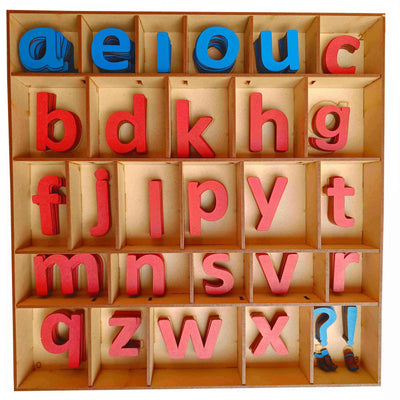
When choosing, look for toys made from natural materials like wood, which offer a rich sensory experience. Toys that encourage practical life skills, such as pouring or buttoning, or sensorial exploration like sandpaper letters for 3-6 year olds, are invaluable. Prioritizing quality over quantity ensures that each toy serves a clear developmental purpose, supporting your child's journey of self-discovery and learning in a calm, focused manner.
- Educational toys are indispensable for fostering comprehensive play-based learning in children.
- Play-based learning develops crucial cognitive, social, and emotional skills through active engagement.
- Montessori educational toys exemplify purposeful design, aiding self-directed learning and skill mastery.
- Studies indicate that integrating play into education significantly improves learning outcomes and reduces academic pressure.
- The right educational toys enhance problem-solving, creativity, concentration, and fine motor skills.
- Choosing age-appropriate, open-ended toys made from natural materials is key to effective child development.
The journey of childhood is one of continuous discovery, and educational toys are powerful allies in this adventure. By embracing play-based learning and carefully selecting high-quality educational toys, Indian parents and educators can cultivate an environment where children not only learn but thrive, grow, and develop a lifelong love for exploration. Let's champion a future where every child's potential is unlocked through the joy of play, building a stronger 'Viksit Bharat' from the ground up.
What age are educational toys best for?
Educational toys are beneficial for children of all ages, from infants to teenagers. The key is selecting age-appropriate toys that match their developmental stage and interests, ensuring they are challenged but not frustrated.
How do educational toys help with school readiness?
Educational toys foster crucial pre-literacy and pre-numeracy skills, problem-solving abilities, and concentration, which are foundational for school readiness. They help children develop a positive attitude towards learning by making it an enjoyable experience.
Are Montessori toys considered educational toys?
Yes, Montessori toys are a prime example of educational toys, specifically designed to support a child's natural development through hands-on, self-directed play. They align perfectly with the principles of play-based learning, promoting independence and intrinsic motivation.
How can parents in India choose the right educational toys?
Indian parents should look for toys that are age-appropriate, made from safe, durable materials, and encourage open-ended play rather than passive consumption. Consider toys that align with Montessori principles, promoting practical life skills, sensory exploration, and cognitive development.
Do educational toys replace traditional teaching methods?
Educational toys do not replace traditional teaching methods but rather complement them by building a strong foundation for learning through experiential engagement. They cultivate curiosity and a love for discovery, making formal learning more effective and meaningful for children.