Educational Toys the Montessori Way: Guide for Indian Parents
How to choose educational toys the Montessori way for your child involves prioritizing self-correcting, purposeful materials aligned with developmental stages, fostering independence. Research shows well-chosen educational toys are foundational for holistic development, moving beyond rote learning. For Indian parents, this means selecting engaging, hands-on tools respecting a child's natural curiosity.
In India, play-based learning gains traction, as evidenced by initiatives like Kara4Kids expanding inclusive early childhood education. This guide provides an anti-academic-pressure approach to choosing quality learning materials for joyful, impactful play.
What are Montessori Educational Toys?
Montessori educational toys are purposefully designed, often self-correcting materials that isolate a single concept or skill, enabling children to learn through hands-on exploration and independent discovery. This fosters concentration, problem-solving, and intrinsic motivation. Indian parents can leverage these tools to build confidence and foundational skills, preparing children for life's challenges.
Embrace Montessori Principles: The Foundation of Choice
Selecting educational toys rooted in Montessori principles means looking for materials resonating with Maria Montessori's core philosophy: respect for the child, prepared environment, and innate drive for self-development. This approach naturally fits the Indian family context, fostering self-reliance and purposeful engagement from a young age.
Child-Led Exploration and Independence
Montessori toys are designed for child-led exploration, encouraging self-direction and problem-solving. Materials often have a "control of error," allowing children to correct mistakes independently, building resilience and confidence. For busy Indian households, such toys empower children to engage constructively, fostering capability.
Real-World Relevance and Practical Life Skills
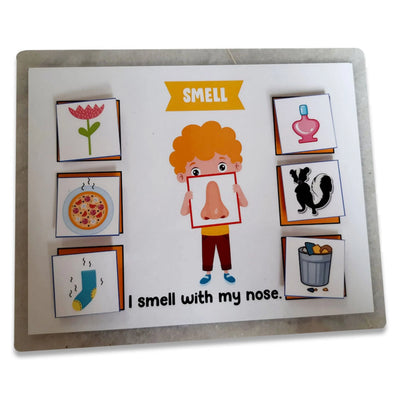
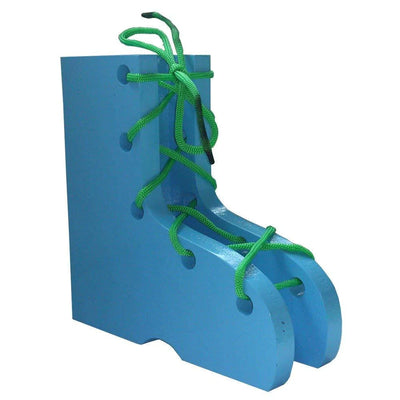
True to the Montessori spirit, many educational toys mirror real-life activities, teaching practical skills invaluable in any Indian home. Tools for pouring, scooping, or buttoning develop fine motor skills and coordination, preparing children for daily tasks. SkilloToys.com offers diverse Montessori Method Learning Materials for this purpose.
Focus on Natural Materials and Simplicity
The Montessori approach advocates for toys made from natural materials like wood, metal, and cotton. These offer richer sensory experiences, enhancing learning and aligning with India's tradition of natural craftsmanship. Simplicity is paramount; Montessori toys focus on one concept, free from overwhelming distractions, encouraging deep concentration and creativity. Consider a wooden puzzle.
Age Appropriateness: Respecting Developmental Stages
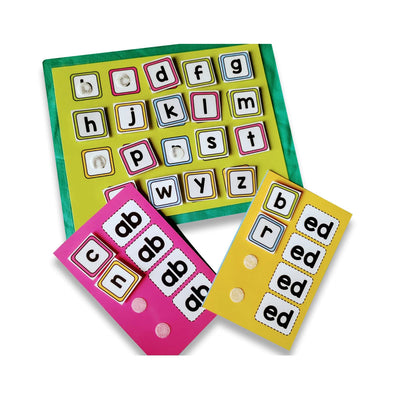
Choosing educational toys means respecting the child's developmental stage, a cornerstone of Maria Montessori's pedagogy. Toys must perfectly match the child's sensitive periods for learning. Infants (0-12 months) benefit from grasping toys, toddlers (1-3 years) from stacking, and preschoolers (3-6 years) from language materials. Studies indicate that play experiences aligned with readiness lead to deeper learning and confidence, preventing premature academic pressure.
Purposeful Design: One Skill, One Challenge
A hallmark of Montessori educational toys is their purposeful design, isolating one specific skill or concept. This "isolation of difficulty" allows a child to focus entirely on mastering a single challenge without distraction. For instance, a knobbed cylinder puzzle isolates size, while sandpaper letters focus on tactile letter formation. This strengthens concentration and problem-solving.
Durability and Safety: Investing in Quality
Durability and safety are non-negotiable. High-quality Montessori materials are built to last, often handcrafted for years of use, making them a wise investment for Indian families. They can be passed down, sustaining learning across generations. Reputable brands use non-toxic finishes and child-safe construction, ensuring secure exploration. Many activity kits from SkilloToys.com exemplify this.
Integrating Montessori Toys into the Indian Home Environment
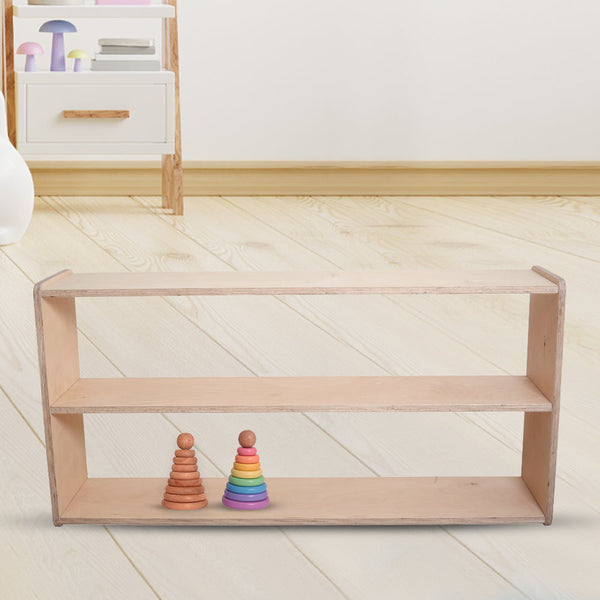
Integrating Montessori educational toys into an Indian home requires thoughtful setup. Create a "prepared environment" by arranging toys on low, open shelves, making them visible and reachable. Rotate toys periodically to maintain interest. Engaging grandparents can enrich child-led play, aligning with traditional Indian values. Statistics show children in supportive play-based environments exhibit higher creativity and problem-solving skills compared to those in rigid, academically focused settings.
- Montessori educational toys prioritize self-correction and purposeful, hands-on learning experiences.
- Natural materials like wood offer richer sensory engagement compared to plastics.
- Select toys that precisely match a child's developmental stage and sensitive learning periods.
- Purposeful design, isolating one skill per toy, significantly enhances concentration and mastery.
- Investing in durable, safe, and high-quality educational toys ensures long-term value and safety.
- Creating a "prepared environment" at home fosters child-led exploration and independence.
Choosing educational toys the Montessori way is a thoughtful selection that deeply respects your child's innate capacity for learning. By focusing on independence, purposeful design, and natural materials, Indian parents can create a home environment championing curiosity, concentration, and practical life skills. Embrace this joyful path to nurture truly capable, confident, and contented learners.
What age are Montessori educational toys best for?
Montessori educational toys benefit children across all ages, from infants with grasping materials to preschoolers using language tools. The key is selecting toys that precisely match a child's specific developmental stage and sensitive periods for optimal engagement and growth.
How do Montessori toys differ from regular educational toys?
Montessori toys emphasize natural materials, purposeful design with isolated difficulty, fostering self-correction and independence. Unlike many regular educational toys, Montessori materials encourage focused, hands-on exploration that directly supports a child's natural development without overstimulation.
Are Montessori educational toys expensive for Indian parents?
While Montessori materials may have a higher initial cost due to quality and craftsmanship, they are a long-term investment. Their durability ensures they last for years, often serving multiple children. SkilloToys.com offers various options, making quality Montessori educational toys accessible.
How can I incorporate Montessori principles with educational toys at home?
Create a "prepared environment" by placing educational toys on low, accessible shelves for independent choice. Rotate toys regularly to maintain interest and allow for uninterrupted, child-led play. Involve family, including grandparents, in supporting this independent learning journey.
What are some essential Montessori educational toys for a toddler in India?
Essential Montessori educational toys for a toddler include practical life tools like pouring sets, simple wooden puzzles, stacking/sorting activities, and sensorial materials. These foster fine motor skills, concentration, and independence, using durable, natural materials safe for exploration.