Hindi Alphabets: Fun Play-Based Activities for Kids
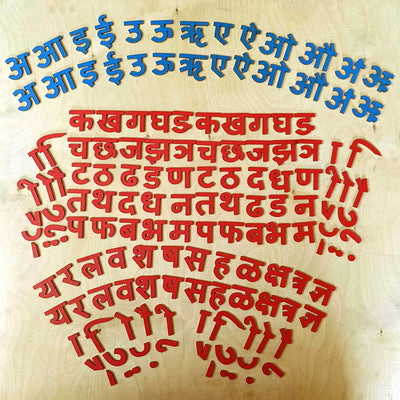
Research indicates that play-based learning is the most effective method for young children to grasp new concepts, especially when introducing the Hindi alphabets. Engaging activities transform the often-daunting task of memorizing the varnamala into a joyful, natural discovery process for children, directly addressing the need for hands-on, interactive learning experiences for young minds in India.
For Indian parents navigating the balance between cultural literacy and the pressures of early education, these activities offer a refreshing alternative. They provide a foundation for linguistic confidence without compromising the natural joy of childhood exploration.
What is Play-Based Learning for Hindi Alphabets?
Play-based learning for Hindi alphabets involves integrating letters into hands-on games, stories, and sensory experiences. This matters because it fosters intrinsic motivation and deeper understanding, rather than rote memorization. Indian parents can leverage everyday scenarios and simple materials to make Hindi varnamala learning a natural part of daily life.
The Power of Play: Why It Works for Hindi Varnamala
Child development experts agree that play is fundamental to cognitive, emotional, and social growth. For learning Hindi varnamala activities, this means children internalize concepts more deeply when they are actively involved and enjoying themselves. Studies indicate that children who engage in play-based learning demonstrate higher problem-solving skills and better retention of information compared to those taught through traditional methods.
UNICEF's strong advocacy for early childhood education through play reinforces this approach, highlighting its role in holistic development. It's about nurturing curious minds, allowing them to explore and understand the world, including the beauty of the Hindi language, at their own pace, free from the stress often associated with academic rote learning.
Engaging Hindi Varnamala Activities for Joyful Learning
Transforming the learning of Hindi alphabets into an adventure is simpler than you think. These activities require minimal preparation and maximize engagement, ensuring your child learns Hindi through play effectively.
Sensory Exploration: Touch and Feel Hindi Letters
Sensory activities are cornerstone of Montessori education, making them perfect for Montessori Hindi activities. They engage multiple senses, creating strong neural pathways for memory and recognition.
- Sandpaper Letters & Textured Tracing: Introduce individual Montessori materials like Hindi sandpaper letters for tactile learning. If these are not available, draw letters on cardboard and glue sand, glitter, or rice over them. Children can trace the contours with their fingers, feeling the shape of each character.
- Tracing in Flour or Sand: Spread a thin layer of flour, semolina (suji), or coloured sand on a tray. Call out a Hindi letter and ask your child to 'write' it with their finger. This provides immediate, erasable feedback and a wonderful sensory experience. It's an age-old Indian kitchen activity, perfect for little learners!
- Playdough Letters: Encourage children to roll out playdough – perhaps made at home with natural colours – and form Hindi letters. This strengthens fine motor skills crucial for future writing and offers a delightful way to explore the shapes of the alphabets. You can find excellent tools in various activity kits to enhance this creative process.
Creative Play: Art & Craft with Hindi Alphabets
Art and craft activities are fantastic play ideas Hindi letters, blending creativity with language learning. They allow children to express themselves while reinforcing letter recognition.
- Alphabet Collage: Gather old magazines, newspapers, or even festival greeting cards. Ask your child to cut out pictures of objects whose names start with a specific Hindi letter. They can then paste these around the letter itself, creating a vibrant, personalized collage.
- Letter Painting: Draw large Hindi letters on paper and let your child paint them using finger paints or brushes. Discuss the letter sound and associated words as they paint. You could even use natural dyes like haldi for yellow or beetroot for pink to add an Indian touch.
- Rangoli Letters: During festivals or just for fun, use coloured rice or powdered chalk to create small rangolis in the shape of Hindi letters. This is a beautiful way to connect learning with cultural traditions and involves delicate motor skills.
Storytelling & Role-Play: Bringing Letters to Life
Storytelling and imaginative play are powerful tools for contextual learning. They make hindi alphabet games for kids more engaging and memorable.
- Alphabet Story Bags: Create a 'magic bag' for each letter. Fill it with small objects or toy animals whose names begin with that Hindi letter. Your child can pull out an item, say its name, and identify the starting letter.
- Puppet Shows: Make simple finger puppets or stick puppets representing characters whose names start with different Hindi letters. Create a short story or dialogue where these characters interact, reinforcing the sounds and recognition of the letters in a fun, dramatic way. Grandparents often have a knack for storytelling, making this a wonderful joint family activity.
Interactive Games: Fun Hindi Letter Challenges
Games make learning dynamic and enjoyable, turning the challenge of language acquisition into pure fun.
- Hindi Alphabet Puzzles: Puzzles are excellent for matching and problem-solving. Find or create simple puzzles where children match the Hindi letter to its corresponding picture or English transliteration.
- "I Spy" with Hindi Letters: Play a game of "I Spy" around the house or during car rides, but instead of colours, focus on objects starting with a particular Hindi letter sound. "I spy with my little eye, something that starts with ‘क’ (ka)..."
- Letter Scavenger Hunt: Hide cut-out Hindi letters around the room. Give your child a list or call out a letter they need to find. This combines physical activity with letter recognition.
Everyday Immersion: Hindi in Your Home
Integrating Hindi into daily routines normalizes the language and makes learning effortless.
- Label Your Home: Write Hindi names for common household objects (e.g., ‘किताब’ for book, ‘कुर्सी’ for chair) on sticky notes and place them on the items. Encourage your child to read them aloud.
- Hindi Rhymes & Songs: Sing traditional Hindi nursery rhymes or modern children’s songs together. Repetition helps with phonetic awareness and word association. Many Indian parents recall these from their own childhoods.
Montessori Principles in Hindi Alphabet Learning
Maria Montessori's philosophy champions self-directed activity, hands-on learning, and collaborative play. For Hindi alphabets, this translates to providing children with carefully designed materials and activities that allow them to explore and discover at their own pace. The emphasis is on multi-sensory engagement – seeing, touching, and hearing the letters – to build a robust understanding rather than simple memorization. This approach supports independence and builds a love for learning.
Nurturing Holistic Growth Through Play
Beyond academics, play-based learning fosters crucial life skills. Initiatives like KidZania India and Magic Bus India Foundation highlight the importance of empathy, kindness, and creative expression for children's overall development. When children learn Hindi alphabets through play, they are also developing social skills, problem-solving abilities, and emotional intelligence. This holistic approach ensures that learning isn't just about mastering letters, but about becoming a well-rounded, confident individual, ready to engage with the world.
- Play-based learning is demonstrably the most effective method for young children to learn new languages like Hindi.
- Engaging multiple senses through activities like tracing, art, and storytelling significantly improves Hindi alphabet recognition and retention.
- Montessori principles, focusing on hands-on and self-directed exploration, are highly beneficial for teaching Hindi varnamala.
- Integrating Hindi into daily routines and cultural activities makes learning natural and reduces academic pressure.
- Beyond linguistic skills, play-based learning nurtures critical life skills such as creativity, empathy, and problem-solving.
- Starting early, around 2.5-3 years, with joyful exposure to Hindi sounds and letters builds a strong foundation for future literacy.
Why is play-based learning effective for Hindi alphabets?
Play-based learning for Hindi alphabets is effective because it engages multiple senses and fosters intrinsic motivation. Children learn naturally through exploration, experimentation, and joyful discovery, making the learning process memorable and stress-free rather than rote memorization.
What age is best to start teaching Hindi varnamala?
Child development experts suggest that introducing Hindi varnamala through play can begin around 2.5 to 3 years of age, focusing on sounds and recognition. Formal letter formation is typically introduced later, often between ages 4 to 6, when fine motor skills are more developed.
How can I make learning Hindi alphabets fun at home?
Making Hindi alphabets fun at home involves integrating letters into daily activities like storytelling, art, and sensory play. Use simple materials like playdough, sand, or rice for tracing, create alphabet scavenger hunts, or sing Hindi nursery rhymes to associate sounds with letters.
Are Montessori materials essential for Hindi alphabet learning?
While Montessori materials like sandpaper letters are highly effective and research-backed for sensory learning, they are not strictly essential. The core Montessori philosophy of hands-on, self-directed learning can be applied using readily available household items and creative play ideas.
How can I prevent academic pressure when teaching Hindi?
Preventing academic pressure means prioritizing joy and curiosity over strict targets and rote learning. Focus on playful exploration, celebrate small achievements, and ensure learning feels like an extension of playtime, allowing the child to lead their own learning pace and interests.
Embracing play-based learning for Hindi alphabets means offering your child a gift: the joy of discovery without the burden of pressure. SkilloToys.com is dedicated to supporting this journey with our curated collection of educational toys and resources. Let's make learning Hindi an unforgettable, joyful adventure for every child in India.