Hindi Varnamala with Pictures: Play-Based Learning Guide
To effectively teach hindi varnamala with pictures through play-based learning, parents and educators should integrate multi-sensory activities that make letter recognition and sound association an engaging experience. This approach transforms rote memorization into joyful exploration, aligning with a child's natural curiosity and developmental stage. By focusing on hands-on interactions and playful repetition, children effortlessly grasp the complexities of the Hindi alphabet.
For Indian families, particularly those in bustling cities like Bengaluru, navigating early language education amidst academic pressures can be challenging. SkilloToys champions a stress-free, effective way for children to connect with their mother tongue, ensuring a strong foundation without compromising the joy of childhood.
What is Play-Based Hindi Varnamala Learning?
Play-based Hindi Varnamala learning is an educational philosophy where children explore and understand the Hindi alphabet through self-directed or guided play. This matters because it naturally builds cognitive, social, and emotional skills while making learning joyful and stress-free. Indian parents can leverage this approach to help children embrace Hindi language and culture organically, rather than through academic pressure.
Why Play-Based Learning is Crucial for Hindi in India
Child development experts agree that play is not merely recreation; it is fundamental to learning. Research shows that children who engage in play-based learning retain information 30% more effectively than those exposed only to traditional rote methods. As highlighted by India Today, play-based learning deserves equal footing with nutrition in child development, emphasizing its foundational role.
In India, where early schooling often introduces academic rigor prematurely, play-based learning offers a vital antidote to pressure. It allows children to explore Hindi Varnamala at their own pace, fostering intrinsic motivation rather than external compliance. This aligns with the Montessori philosophy, which advocates for learning through discovery and hands-on engagement, proving particularly effective for `hindi alphabet learning for kids`.
Montessori Principles for Mastering Hindi Varnamala
Maria Montessori's educational philosophy provides a robust framework for `montessori hindi varnamala activities`. Key principles include the use of concrete materials, a prepared environment, and allowing children freedom within limits. For Hindi, this means introducing tactile letters and sound games before abstract writing.
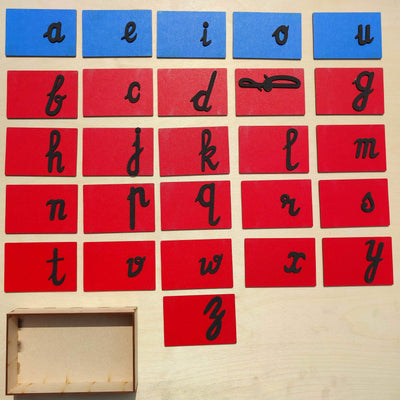
For instance, sandpaper letters allow children to trace the Hindi script with their fingers, engaging both visual and tactile senses simultaneously. This multi-sensory approach is critical for deep learning, especially for complex scripts like Devanagari. It makes the learning process intuitive and enjoyable, preventing early burnout often associated with academic pressure.
Engaging Play-Based Hindi Varnamala Activities at Home
Bringing Hindi Varnamala to life through play is simpler than you might imagine. Parents can incorporate these activities into daily routines, making learning an organic part of family life. These hands-on ideas are perfect for `play-based hindi learning`:
Sensory Letter Tracing and Formation
Provide a tray of sand, salt, or rice for children to trace Hindi letters with their fingers. This tactile experience reinforces letter shapes and builds fine motor skills. You can also use playdough or clay to form Varnamala characters, turning abstract symbols into tangible creations. Explore a variety of activityKits from SkilloToys designed to foster creativity and fine motor development.
Varnamala Picture Card Matching
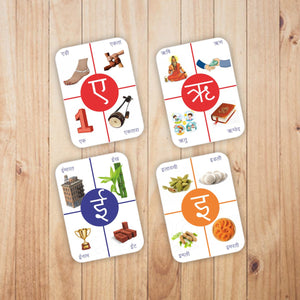
Create or purchase cards featuring a Hindi letter on one side and an object starting with that letter (like 'अ' for 'अनार' - pomegranate) on the other. Children match the letter to its corresponding picture. This reinforces `hindi varnamala with pictures` associations, making recognition quicker and more intuitive. Make it a family game with grandparents!
Hindi Alphabet Puzzles and Games
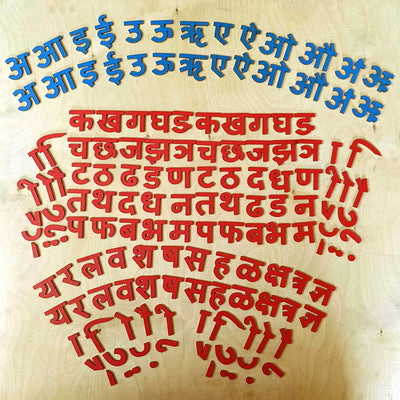
Invest in Hindi alphabet puzzles where children fit letter shapes into their correct slots. This develops spatial reasoning and letter recognition. Board games that involve moving spaces by identifying Hindi letters or words also make learning competitive and fun, without the academic stress.
Storytelling and Rhymes with Varnamala
Incorporate Hindi letters into stories and songs. Point out the initial letter of characters' names or key objects. Creating simple rhymes that emphasize letter sounds helps phonetic awareness. This makes `hindi alphabet learning for kids` feel like an enjoyable cultural experience rather than a chore.
Choosing the Right Educational Toys for Hindi Language Learning
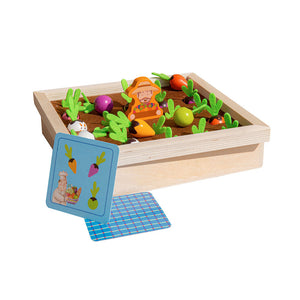
Selecting appropriate `educational toys for hindi language` is crucial for successful play-based learning. Look for toys that are open-ended, allow for self-correction, and are made from natural, child-safe materials, echoing Montessori principles. SkilloToys offers a curated selection designed to support language acquisition.
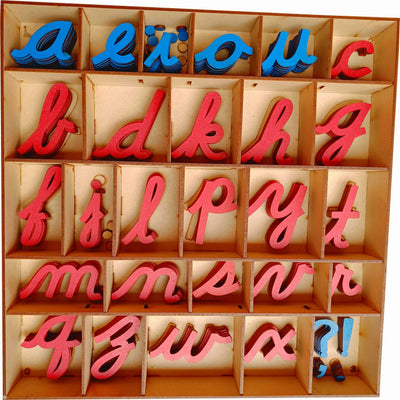
Consider items like wooden Hindi alphabet blocks, magnetic letter sets, or wipe-clean Varnamala tracing boards. These tools provide repeated exposure in a non-threatening way, empowering children to explore independently. High-quality `montessori method learning materials` are an investment in your child's linguistic and cognitive development.
Tips for Parents and Grandparents: Creating a Nurturing Environment
In Indian homes, where joint families often play a significant role, creating a supportive environment for Hindi learning is key. Encourage grandparents to share stories and songs in Hindi, naturally exposing children to the language. Celebrate festivals by identifying Hindi letters in decorations or traditional foods.
Remember, the goal is to foster a love for the language, not just memorization. As noted by the India Development Review, can play improve learning in India's classrooms? The answer is a resounding yes, and this extends to our homes. Praise effort, not just outcomes, and allow children to lead their own learning journey with patience and enthusiasm.
- Play-based learning significantly enhances a child's ability to grasp and retain the Hindi Varnamala with pictures.
- Montessori principles, such as multi-sensory materials and a prepared environment, are highly effective for early Hindi language acquisition.
- Children who learn through play develop stronger cognitive, social, and emotional skills compared to those solely exposed to rote learning.
- Integrating Hindi Varnamala into daily activities like tracing, puzzles, and storytelling makes learning joyful and reduces academic pressure.
- Choosing high-quality, open-ended educational toys specifically designed for Hindi helps reinforce letter recognition and phonetic awareness.
- A supportive home environment, with active participation from family members, is crucial for fostering a lifelong love for the Hindi language in Indian children.
At what age should I start teaching Hindi Varnamala?
Children can begin recognizing basic sounds and shapes as early as 2-3 years old, with formal play-based introduction to Hindi Varnamala starting around 3-5 years. The key is to follow the child's interest and developmental readiness, rather than forcing early academics.
Are Montessori materials effective for Hindi Varnamala learning?
Yes, Montessori materials like sandpaper letters are highly effective for Hindi Varnamala. They provide multi-sensory engagement, allowing children to trace, feel, and see the letters, which reinforces learning through tactile and visual memory.
How can I make Hindi Varnamala learning fun and not feel like homework?
To make Hindi Varnamala learning fun, integrate it into daily play through games, songs, storytelling, and creative art activities. Avoid structured 'study' times and instead offer engaging educational toys and experiences that spark curiosity and self-directed exploration.
What are some simple play-based Hindi Varnamala activities for home?
Simple play-based activities include creating Varnamala collages with magazine cutouts, using clay to form letters, playing 'I Spy' with letter sounds, or making a treasure hunt where children find objects starting with specific Hindi letters. These hands-on methods reinforce recognition naturally.
How do educational toys support Hindi language development?
Educational toys support Hindi language development by providing tangible, interactive tools for learning. Toys like alphabet puzzles, magnetic letters, and Varnamala flashcards with pictures make abstract concepts concrete, fostering better retention and engagement than passive methods.