Maharashtra Play-Based Learning: A New Dawn for Indian Kids
Maharashtra's First Play-Based Learning Roundtable, held recently in Ahilyanagar, unequivocally signals a monumental shift in early childhood education across India, validating what SkilloToys and many parents have long championed: learning through play is essential for holistic development. This groundbreaking initiative by the Maharashtra state government, discussed widely by media houses like NDTV and Hindustan Times, directly impacts how Indian children, from Bengaluru to Mumbai, will experience their crucial foundational years, moving beyond rote memorization towards joyful discovery.
This is wonderful news for every Indian parent and educator concerned about academic pressure and seeking a more natural, effective way for children to learn. The roundtable's focus on rethinking India's first six years underscores a growing institutional recognition of play's profound role, echoing the sentiments expressed in BW Education's 'The Brain Before Books' discussion. It means a future where childhood is cherished for exploration, not just examination.
What is Play-Based Learning?
Play-based learning is an educational philosophy where children actively construct knowledge and understanding through engaging in playful activities. This approach centers on a child's natural curiosity and intrinsic motivation. It matters because it fosters essential cognitive, social, emotional, and physical skills. Indian parents can implement this by providing open-ended materials and allowing children freedom to explore and discover at their own pace.
Maharashtra's Initiative Validates Play's Core Role in Early Childhood Education
The convening of the Maharashtra Play-Based Learning Roundtable in Ahilyanagar represents a landmark moment for early childhood education Maharashtra. It signifies a governmental acknowledgment that play is not merely recreation but a fundamental pathway for learning. Child development experts agree that the first six years are critical for brain development, with 90% of a child's brain developing by age five.
This official endorsement means that the principles of learning through doing, a cornerstone of Montessori education Maharashtra, are gaining significant traction. For parents, this translates into a hopeful future where school curricula might integrate more hands-on activities, outdoor play, and experiential learning, reducing the burden of early academic pressure often seen in Indian households.
Beyond Rote Learning: The Joyful Path to Holistic Development
For too long, the Indian education system, particularly at the early stages, has grappled with the 'brain before books' dilemma, often prioritizing early literacy and numeracy over comprehensive development. Research shows that children who engage in play-based learning exhibit superior problem-solving skills, creativity, and emotional intelligence. For example, a study by the American Academy of Pediatrics highlighted play's crucial role in developing executive function skills, which are vital for future academic and life success.
The roundtable's discussions highlight the urgent need to move away from purely academic metrics for young children. Instead, it champions an approach that nurtures curiosity, resilience, and a lifelong love for learning – qualities that our grandparents instinctively understood when they encouraged free play in the aangan or shared stories under the banyan tree. This echoes Maria Montessori's philosophy, where children learn concentration and independence through self-directed engagement with materials like the pink tower or sandpaper letters.
SkilloToys' Role: Empowering Indian Families with Montessori Principles
SkilloToys.com has always championed the principles that the Maharashtra roundtable now underscores, aligning perfectly with the growing momentum for play-based learning India. We believe that providing children with the right tools empowers them to be active participants in their own learning journey. Our Montessori-inspired educational toys are designed to foster this independence and critical thinking from an early age, making learning a joyful discovery.
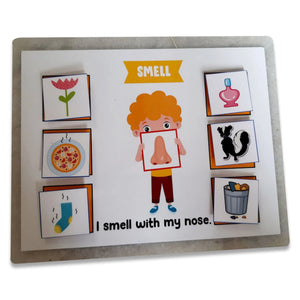
Our collection of activity kits, for instance, are carefully curated to develop fine motor skills, cognitive abilities, and sensory exploration, reflecting the very essence of child-led learning. Similarly, our puzzles challenge young minds to problem-solve and understand spatial relationships, all while having fun.
Key Takeaways for Parents and Educators in India
- The Maharashtra government's roundtable marks a significant shift towards institutional recognition of play-based learning in India.
- This initiative supports a move away from early academic pressure, prioritizing holistic child development.
- Play-based learning fosters critical skills like problem-solving, creativity, and social-emotional intelligence in children.
- Parents and educators can expect to see more integration of playful, hands-on learning methods in early childhood education.
- Montessori principles, championed by SkilloToys, are directly aligned with the recommendations for effective play-based education.
- High-quality educational toys are essential tools for supporting a child's natural learning through exploration and discovery.
Looking Ahead: A Brighter, Playful Future for India's Children
The Maharashtra Play-Based Learning Roundtable is more than just a meeting; it's a beacon of hope for a future where every Indian child can learn and grow without undue stress. It's a testament to the power of play, reminding us that learning should be as natural and joyful as a child's laughter. This renewed focus on play-based learning India promises a generation of children who are not just academically proficient but also emotionally intelligent, creative, and ready to face life's challenges with confidence.
As parents and educators, let us embrace this shift and actively seek out environments and resources that support truly enriching, play-based experiences. By understanding the implications of discussions around early childhood education Maharashtra, we can collectively ensure our children receive the best possible start, one that truly prepares their brain before books.
What is play-based learning?
Play-based learning is an educational approach where children learn through engaging in purposeful play activities. This method allows them to explore, discover, and solve problems at their own pace, fostering curiosity and intrinsic motivation rather than rote memorization.
How does the Maharashtra Roundtable impact my child's schooling?
The Maharashtra Play-Based Learning Roundtable's recognition signals a greater likelihood of play-based methodologies being integrated into formal and informal early childhood education settings across the state and potentially beyond. This means schools may increasingly adopt curricula that prioritize hands-on exploration and child-led activities, aligning with Montessori principles.
Are educational toys truly necessary for play-based learning?
Yes, high-quality educational toys are indispensable tools for effective play-based learning. They provide structured opportunities for skill development, from fine motor coordination with wooden blocks to problem-solving with puzzles, making abstract concepts tangible and engaging for young minds. They encourage independent discovery and sustained concentration.
What age is ideal for introducing play-based learning concepts?
Play-based learning is highly effective from birth through early primary years. Even infants benefit from sensory play, while toddlers (18-36 months) thrive with open-ended materials that encourage exploration. This approach naturally aligns with a child's developmental stages, supporting their inherent drive to learn through interaction with their environment.
How can I support play-based learning at home in India?
Parents in India can support play-based learning at home by creating an environment rich in open-ended materials like Montessori-inspired educational toys, art supplies, and natural elements. Encourage free exploration, allow for mistakes as learning opportunities, and join in play without directing it, fostering a love for discovery. Limit screen time to prioritize hands-on engagement.
Does play-based learning prepare children for academic success?
Absolutely, research consistently shows that play-based learning lays a strong foundation for academic success. It develops critical thinking, problem-solving skills, creativity, and social-emotional intelligence – all essential precursors for formal schooling. Children who learn through play often demonstrate better concentration, adaptability, and a deeper understanding of concepts than those exposed only to rote learning.