Malayalam Alphabets: A Playful Montessori Guide for Parents
Teaching malayalam alphabets to young children doesn't have to be a stressful academic drill; it can be a joyful journey of discovery right at home. The Montessori approach definitively empowers Indian parents and educators to introduce the beautiful Malayalam varnamala through engaging, hands-on play, fostering a deep love for language rather than rote memorisation. This guide offers practical, research-backed strategies for a pressure-free learning experience.
What is the Montessori Approach to Teaching Malayalam Alphabets?
The Montessori approach to teaching Malayalam alphabets integrates sensorial, hands-on learning with self-directed exploration, allowing children to discover letters and sounds naturally. This matters because it builds strong foundational literacy skills without pressure, aligning with a child's natural developmental pace. Indian parents can implement this by providing a stimulating environment with specially designed materials for joyful Malayalam language acquisition.
Why Play-Based Learning is Key for Malayalam Varnamala Mastery
Child development experts confirm play is the primary learning mode for young children, especially for complex systems like the Malayalam varnamala. Research shows active, joyful engagement leads to deeper absorption, bypassing early academic pressure. National initiatives like Maharashtra's Play-Based Learning Roundtable and UNICEF's focus on early childhood education highlight this approach's critical role.
For Malayalam alphabets, multi-sensory play strengthens neural pathways, ensuring an intuitive, lasting grasp. This connects letters to a child's everyday world, fostering genuine curiosity and love for their mother tongue, aligning with the critical learning phase of the first five years, as highlighted by The Hans India.
Core Montessori Principles for Malayalam Alphabet Activities
Maria Montessori's framework respects a child's innate drive to learn Malayalam alphabets effectively. The 'prepared environment' offers accessible, inviting materials for self-directed exploration. Sensorial learning, where children touch, see, and hear alphabets, engages multiple senses for deeper comprehension.
The emphasis on self-correction empowers children to identify errors independently, building resilience and confidence. This approach cultivates joyful learning, free from academic pressures and the fear of mistakes, leading to a profound understanding of language.
Hands-On Montessori Malayalam Alphabet Activities for Home
Montessori at home for Malayalam alphabets is a beautiful bonding experience, engaging a child's senses and curiosity with family, even grandparents. These activities foster self-discovery and intrinsic motivation, transforming learning into cherished moments.
Sensorial Sandpaper Malayalam Letters
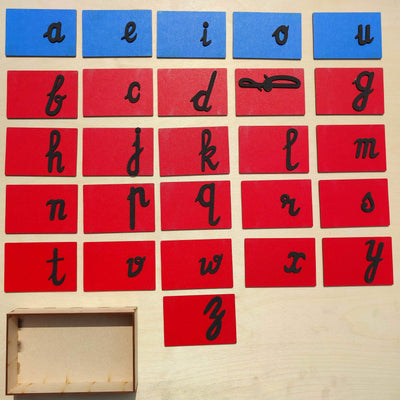
Introduce tactile Malayalam letters with sandpaper materials for ages 2.5-5. Children trace the shape while hearing its sound, e.g., 'ക'. SkilloToys offers fantastic Montessori learning materials for this multi-sensory experience, making abstract symbols tangible.
Moving Malayalam Alphabet Games
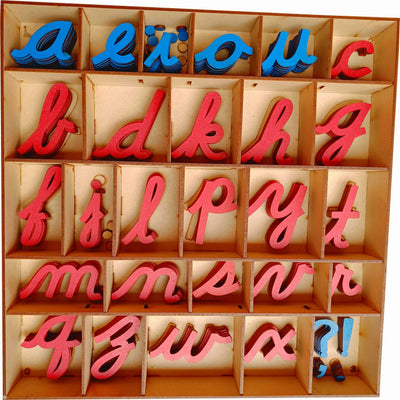
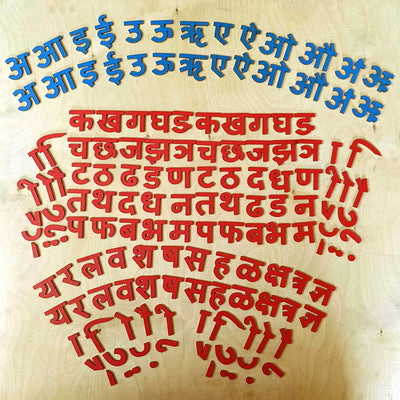
Use small cut-out Malayalam letters (the Moving Alphabet) to form words, strengthening phonetic awareness and allowing creative exploration. This turns word building into an exciting puzzle. Explore puzzles adaptable for letter recognition and early word formation.
Malayalam Sound Games
Play 'I Spy' with Malayalam sounds, like "I spy something starting with 'മ'". This helps isolate initial sounds, a crucial pre-reading skill, and integrates learning seamlessly into daily life and family gatherings.
Malayalam Tracing and Writing Activities
After familiarity with shapes and sounds, introduce tracing boards or chalkboards for early writing. Our engaging activityKits provide fun, structured ways to practice forming Malayalam letters, building confidence without pressure.
Creating a 'Prepared Environment' for Malayalam Learning
A prepared environment means intentional home design: a low shelf with accessible Malayalam alphabet materials. This fosters self-direction and concentration, communicating respect for a child's autonomy and transforming learning into an inviting process, not a chore.
The Role of Montessori Educational Toys in Malayalam Learning
Montessori educational toys effectively introduce Malayalam alphabets, catering to developmental needs. These self-correcting tools build confidence and problem-solving skills, with inset puzzles providing immediate feedback on correct placement without adult intervention.
Materials are tactile, visually appealing, and isolate concepts (letter shapes, phonetic sounds, word construction) to prevent overwhelm. Quality Montessori educational toys from SkilloToys.com support a child's absorbent mind phase (0-6 years) for effortless learning.
Studies indicate purpose-built educational materials develop stronger cognitive abilities and intrinsic motivation. These learning instruments guide discovery, transforming abstract Malayalam alphabets into a concrete, tangible reality, nurturing a lifelong learner.
Overcoming Academic Pressure with Joyful Learning
In India, early academic pressure is common. The Montessori approach for Malayalam alphabets offers a refreshing alternative, focusing on intrinsic motivation and child-led exploration to foster a lifelong love for learning, not just rote memorization.
This method encourages patience, allowing each child to progress at their own pace. It celebrates small victories, building robust self-esteem and preparing them for a lifetime of confident learning, free from the fear of failure often associated with early schooling.
- The Montessori approach to Malayalam alphabets promotes joyful, hands-on learning over rote memorization.
- Play-based learning is scientifically proven to be the most effective method for early childhood development, including language acquisition.
- A 'prepared environment' at home, with accessible, inviting materials, is crucial for fostering independent learning.
- Sensorial materials like sandpaper letters and moving alphabets are highly effective for tactile and phonetic understanding of Malayalam.
- Montessori educational toys from SkilloToys.com support self-correction and build confidence in learning Malayalam varnamala.
- Prioritizing child-led exploration helps overcome academic pressure and nurtures a lifelong love for learning the mother tongue.
What is the ideal age to start teaching Malayalam alphabets using Montessori?
The ideal age to introduce Malayalam alphabets using the Montessori approach is typically between 2.5 and 5 years, during the child's absorbent mind phase. At this stage, children are naturally curious and highly receptive to language and sensorial learning, making hands-on exploration most effective.
How does Montessori differ from traditional methods for learning Malayalam varnamala?
Montessori differs by emphasizing self-directed, hands-on, and sensorial learning, rather than rote memorization or teacher-led instruction. It allows children to explore Malayalam varnamala at their own pace with self-correcting materials, fostering intrinsic motivation and a deeper understanding.
Are specific Montessori materials necessary for teaching Malayalam alphabets?
Yes, specific Montessori-inspired materials like sandpaper Malayalam letters, moving alphabets, and phonetic puzzles are highly beneficial. These tools are designed to engage multiple senses, making the abstract concept of Malayalam alphabets concrete and tangible for young learners.
Can I integrate Montessori Malayalam alphabet activities into a joint family setting?
Absolutely, Montessori Malayalam alphabet activities integrate beautifully into a joint family setting. Grandparents and other family members can participate in sound games, read stories, or help prepare materials, creating a rich, language-immersed environment that strengthens family bonds.
How do I keep my child motivated to learn Malayalam alphabets without academic pressure?
To keep your child motivated, focus on making learning Malayalam alphabets a joyful, playful experience free from pressure. Allow them choice in activities, celebrate their efforts, and provide engaging materials that cater to their interests, ensuring learning remains fun and child-led.