Malayalam Alphabets: Teach Varnamala Through Play
Introducing Malayalam alphabets (Varnamala) through play-based learning is a highly effective and joyful approach for young children in India. Research shows that engaging children in hands-on, interactive activities helps them absorb foundational language skills naturally and with lasting understanding. Indian parents can confidently adopt these methods to foster early literacy without resorting to academic pressure.
Play-based learning for Malayalam alphabets is an educational philosophy where children learn the script and sounds through self-directed or guided play. This matters immensely because it aligns with a child's natural curiosity and developmental stages, fostering a lifelong love for learning rather than rote memorisation. Indian parents can empower their children by transforming alphabet lessons into fun, everyday adventures at home.
The Power of Play in Learning Malayalam Varnamala
Child development experts agree that play is crucial for cognitive and social-emotional growth, and this extends directly to learning the Malayalam Varnamala. When children play, they experiment, problem-solve, and make connections, which are vital processes for language acquisition. For instance, recent initiatives by KidZania India and Magic Bus Foundation highlight how creative expression, like greeting card-making, nurtures empathy and kindness; similarly, creative play with alphabets builds strong linguistic foundations.
Maria Montessori's philosophy, a cornerstone of SkilloToys, champions this approach, asserting that children learn best by doing. Instead of repetitive drills, multi-sensory engagement with letters allows children to internalise the shapes, sounds, and sequences of Malayalam alphabets. Studies indicate that children who engage in play-based learning develop stronger cognitive and social-emotional skills, setting them up for academic success without early burnout.
Multi-Sensory Activities for Teaching Malayalam Letters
Engaging multiple senses is key to making the shapes and sounds of Malayalam letters stick in a child's memory. Hands-on activities transform abstract symbols into tangible experiences. Consider creating a 'sand tray' where children can trace Malayalam letters with their fingers, feeling the contours and building muscle memory.
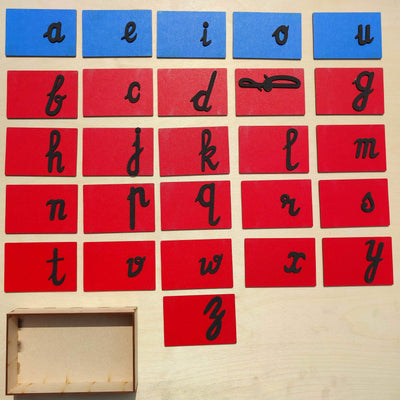
Another effective method involves using playdough to sculpt letters, encouraging fine motor development alongside letter recognition. Montessori's famous sandpaper letters are excellent for this, allowing children to touch the textured letter shapes. You can find wonderful activity kits that bring these concepts to life, or choose from a variety of engaging puzzles that help children piece together letters and words.
Everyday Play-Based Malayalam Alphabet Activities at Home
Incorporating Malayalam alphabet activities into daily routines makes learning feel natural and effortless. At home, especially in joint families where grandparents often share stories, integrate letters into storytelling sessions. As you read a Malayalam story, point out specific letters, or ask your child to find letters they know on the page.
Create a 'letter hunt' game during grocery shopping, asking your child to spot items starting with a particular Malayalam letter. Singing traditional Malayalam songs and replacing words with alphabet sounds is another joyful way to reinforce learning. These simple, consistent interactions prevent learning from becoming a chore, transforming it into a cherished family activity.
Choosing the Right Malayalam Educational Toys
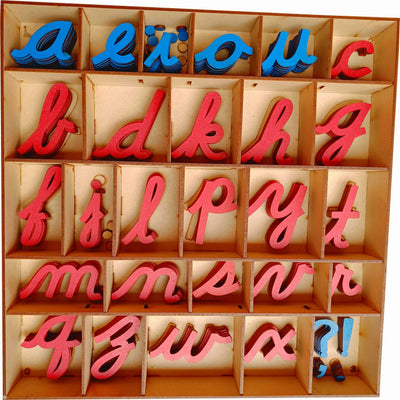
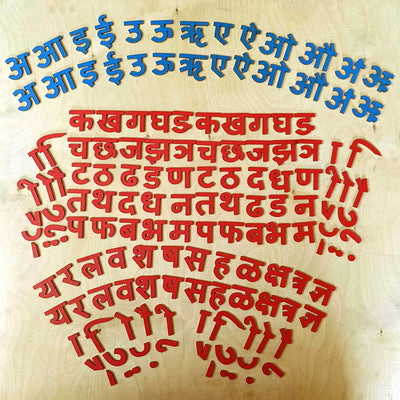
Selecting appropriate Malayalam educational toys is crucial for supporting play-based learning. Look for toys that are open-ended, durable, and designed to encourage exploration and self-correction. Wooden alphabet puzzles, interlocking letter blocks, and writing boards are excellent choices that align with Montessori principles.
These toys not only help with letter recognition but also develop crucial pre-writing skills, hand-eye coordination, and problem-solving abilities. SkilloToys offers a wide range of high-quality Montessori learning materials specifically curated to make learning Indian languages, including Malayalam, a delightful experience for children from 18 months to 6 years.
Nurturing Joy, Not Pressure: A Parent's Role
In the Indian context, where academic pressure often starts early, it's vital for parents and educators to shield children from stress during foundational learning. The goal of teaching Malayalam alphabets through play is to ignite curiosity and a love for the language, not to achieve early mastery. Celebrate effort and participation over perfect performance.
Provide a rich, stimulating environment with plenty of opportunities for play, but allow children the freedom to explore at their own pace. Child development specialists emphasize that forced learning can lead to aversion. Instead, model enthusiasm for Malayalam, read together, and let the learning unfold organically, fostering a positive relationship with their mother tongue.
- Introducing Malayalam alphabets through play-based learning is a highly effective and joyful method for young children.
- Research confirms that multi-sensory engagement significantly enhances a child's ability to learn and retain language skills.
- Maria Montessori's educational philosophy underpins the benefits of hands-on, self-directed learning for early literacy.
- Integrating Malayalam alphabet activities into daily routines transforms learning into a natural, stress-free experience.
- Selecting open-ended, durable educational toys designed for language development supports a child's exploration and mastery.
- Prioritizing a child's natural curiosity and fostering a love for their mother tongue is crucial, avoiding undue academic pressure.
What is the best age to start teaching Malayalam alphabets?
The ideal age to introduce Malayalam alphabets is typically between 2.5 to 4 years, when children show natural curiosity and readiness. Focus on playful exposure rather than formal instruction, allowing the child to lead the learning process at their own pace.
How can I make learning Malayalam Varnamala fun at home?
To make learning Malayalam Varnamala fun, integrate it into daily activities like singing alphabet songs, tracing letters in sand, or creating letter collages. Utilizing multi-sensory approaches and incorporating storytelling with letters ensures an engaging and joyful experience for children.
Are Montessori methods effective for teaching Malayalam letters?
Yes, Montessori methods are highly effective for teaching Malayalam letters as they emphasize hands-on, multi-sensory learning experiences. Materials like sandpaper letters and movable alphabets allow children to physically interact with the letters, building strong foundational literacy skills through self-discovery.
What kind of toys help with Malayalam alphabet learning?
Educational toys like alphabet puzzles, magnetic letters, lacing cards, and activity kits specifically designed for language development significantly aid Malayalam alphabet learning. These toys promote tactile exploration, fine motor skills, and visual recognition, making the learning process interactive and enjoyable.
How do I avoid academic pressure when teaching Malayalam alphabets?
To avoid academic pressure, focus on creating a relaxed, play-filled environment where learning Malayalam alphabets feels like an adventure, not a chore. Prioritize the child's interest and curiosity, celebrating small efforts without comparing their progress to others, fostering a love for learning.