Play-Based Learning: Foundation for Viksit Bharat
Play-Based Learning Viksit Bharat is intrinsically linked to India's future prosperity, laying the groundwork for a generation of innovative thinkers and resilient problem-solvers. This approach, centered on joyful exploration, empowers children from their earliest years to develop critical skills, making them key contributors to the nation's ambitious development goals. For Indian parents and educators, embracing play isn't just about fun; it's about making a profound human capital investment that starts right in our homes and preschools, shaping the India of tomorrow.
Play-based learning is an educational approach where children learn through self-directed, open-ended play, guided by their natural curiosity and intrinsic motivation. This method matters because it fosters creativity, critical thinking, problem-solving, and social-emotional skills, crucial for holistic development. Indian parents can integrate this by providing stimulating, age-appropriate environments and materials that encourage independent exploration at home.
Play-Based Learning: Fueling Viksit Bharat Education
The vision of Viksit Bharat — a developed India by 2047 — hinges on a knowledgeable, skilled, and innovative populace. Research shows that early childhood experiences significantly impact lifelong learning and economic productivity. By adopting play-based learning India-wide, we are not just educating children; we are cultivating the very mindset required for national progress.
Child development experts agree that skills like adaptability, critical thinking, and collaborative problem-solving are best honed through active engagement and exploration. As highlighted by ET Government, 'Play is infrastructure: Why India's next human capital investment must begin with children,' underscoring the strategic importance of early childhood education. This approach moves beyond rote memorization, preparing children for the dynamic challenges of a modern economy.
Imagine children in a joint family, learning negotiation and empathy through pretend play, or a child in Bengaluru meticulously building with blocks, developing spatial reasoning. These are the foundations of the problem-solvers, engineers, and entrepreneurs of Viksit Bharat, making play a powerful tool for national development.
Early Childhood Development India: A Strategic Human Capital Investment
Investing in early childhood development in India is arguably the most impactful human capital investment a nation can make. Studies indicate that approximately 90% of a child's brain develops by age six, making these formative years critical for cognitive, emotional, and social growth. Quality early experiences, particularly those steeped in play, directly translate into better educational outcomes, higher earning potential, and reduced social inequalities.
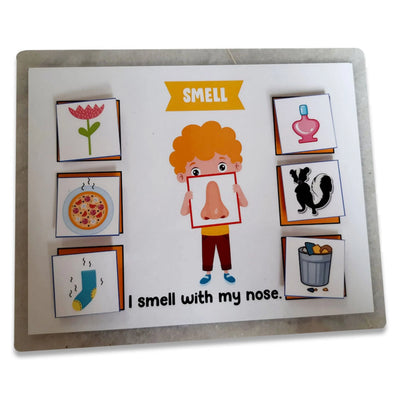
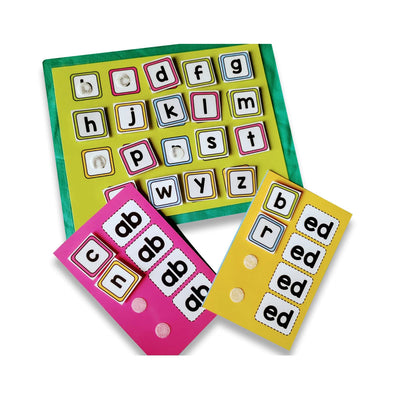
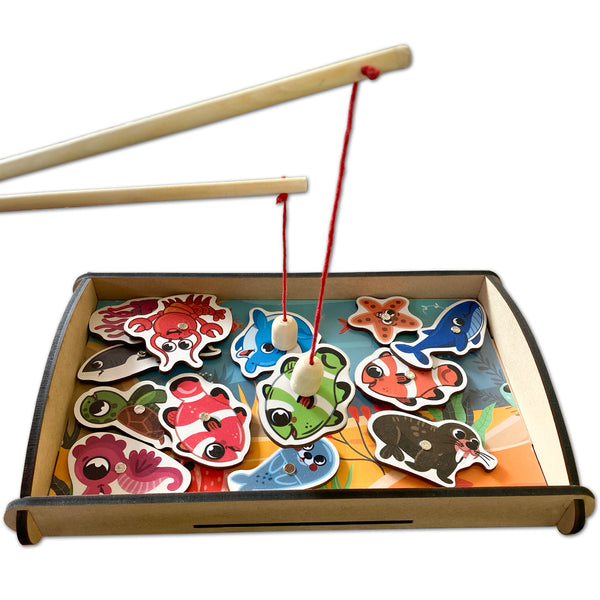
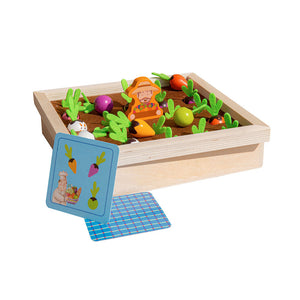
The Montessori method, with its emphasis on hands-on exploration and self-correction, provides an excellent framework for this investment. For instance, engaging with carefully designed activityKits allows children to develop fine motor skills, concentration, and practical life abilities. These aren't just toys; they are tools that build the mental and physical agility our future workforce needs.
From bustling metropolitan families to quiet village homes, providing children with rich play environments ensures they develop a robust foundation. This focus helps them navigate complex academic pressures later, fostering a love for learning rather than dread, and aligns perfectly with the aspirations for a resilient and thriving India.
Montessori for National Development: Nurturing Future Innovators
Maria Montessori's pioneering work emphasized that children possess an innate drive to learn when provided with a prepared environment. Her materials, like the iconic pink tower for understanding dimensions or sandpaper letters for tactile literacy, are not merely educational aids; they are instruments for fostering independence, discipline, and a deep understanding of concepts.
These principles directly contribute to a child's ability to innovate and lead. When a child engages with puzzles, they aren't just fitting pieces; they are mastering problem-solving strategies, developing spatial awareness, and experiencing the joy of accomplishment. Such experiences cultivate a sense of agency and confidence, essential traits for the architects of Viksit Bharat.
Montessori for national development advocates for a holistic approach, recognizing that a child's social-emotional well-being is as crucial as their cognitive abilities. By nurturing responsible, compassionate, and self-directed individuals, we are empowering them to build a more equitable and prosperous India.
The Anti-Academic Pressure Approach: Joyful Learning for All
In India, academic pressure can often stifle creativity and the natural joy of discovery. Parents, driven by aspirations for their children, sometimes inadvertently push for rote learning over genuine understanding. Play-based learning offers a joyful antidote, proving that profound learning occurs best when children are engaged and curious, not stressed.
This approach respects the child's pace and interests, fostering intrinsic motivation that lasts a lifetime. Whether it's through celebrating festivals with creative art projects or learning about traditions through storytelling and dramatic play, children absorb knowledge effortlessly. This ensures that learning remains an exciting journey, much like EuroKids celebrating India's Independence Day through large-scale preschool events, embedding cultural values through joyful participation.
SkilloToys.com believes that every child deserves a childhood rich in playful exploration. We offer a wide range of Montessori-inspired materials that support this philosophy. Explore our diverse Montessori Method Learning Materials and discover how these tools can transform your child's learning journey, making it truly joyful and impactful for their future and the nation's.
- Play-Based Learning is a foundational strategy for achieving Viksit Bharat by fostering essential skills.
- Early childhood development is India's most critical human capital investment, with 90% brain growth by age six.
- Montessori principles cultivate independence, critical thinking, and problem-solving, vital for future innovators.
- Joyful, play-based approaches counteract academic pressure, promoting intrinsic motivation and holistic growth.
- Providing stimulating play environments prepares Indian children for dynamic future challenges and national leadership.
How does play-based learning contribute to Viksit Bharat?
Play-based learning develops critical thinking, creativity, problem-solving, and social-emotional skills, which are fundamental for a skilled workforce and innovative citizenry. These competencies are essential for India's economic growth and technological advancement, directly fueling the vision of Viksit Bharat.
What is the role of Montessori in India's national development?
Montessori education cultivates self-directed, independent, and disciplined learners who are adept at practical problem-solving. These attributes foster future innovators and leaders, directly contributing to India's human capital and empowering individuals to drive national progress.
Why is early childhood development considered a strategic investment for India?
Early childhood development is a strategic investment because 90% of brain development occurs by age six, impacting lifelong learning and productivity. Quality early education through play leads to better academic outcomes, higher earning potential, and a more resilient, adaptable population for India's future.
How can Indian parents integrate play-based learning at home?
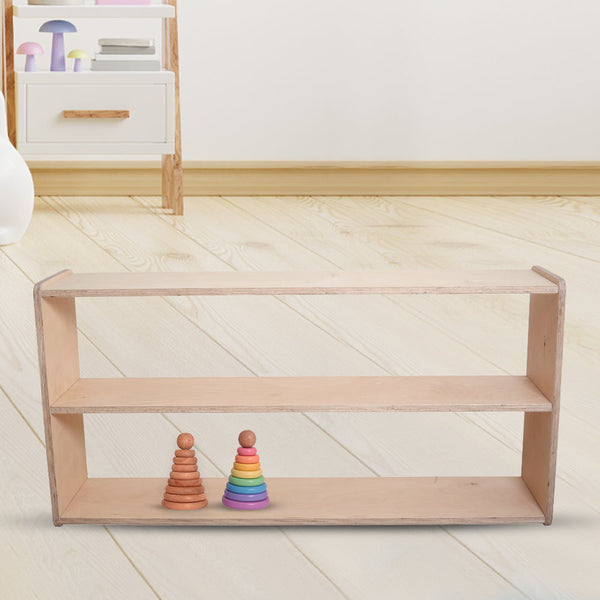
Indian parents can integrate play-based learning by providing open-ended materials, encouraging free exploration, and joining in imaginative play. Creating a "prepared environment" with age-appropriate activity kits and puzzles supports natural curiosity and builds foundational skills joyfully, reducing academic pressure.
Does play-based learning help reduce academic pressure on Indian children?
Yes, play-based learning significantly helps reduce academic pressure by fostering intrinsic motivation and a love for learning. It allows children to absorb complex concepts naturally and joyfully, rather than through rote memorization, leading to deeper understanding and reduced stress in their educational journey.