Play-Based Learning in Indian Classrooms for Engagement
Integrating play-based learning in classrooms India significantly boosts student engagement and improves learning outcomes, a transformative approach crucial for nurturing holistic development. Research consistently demonstrates that when children actively explore and discover, they develop critical thinking, creativity, and problem-solving skills vital for their future.
This pedagogical shift addresses the growing conversation in India about moving beyond rote memorisation, as highlighted by discussions like 'Can play improve learning in India’s classrooms?' from idronline.org. It empowers educators and parents to cultivate a joyful learning environment that prepares children for real-world challenges.
Defining Play-Based Learning in India's Context
Play-based learning is a pedagogical approach where children learn through voluntary, self-directed play and exploration. This matters because it fosters intrinsic motivation, creativity, and problem-solving skills far more effectively than traditional methods. Indian parents can advocate for and support its implementation by understanding its profound benefits.
For too long, Indian education has often emphasised academic pressure and exam results, sometimes overlooking the crucial role of experiential learning. However, child development experts, including Maria Montessori, championed the power of purposeful play as the child's natural way of learning. This approach acknowledges that play is not merely recreation but a fundamental pathway to cognitive, social, emotional, and physical development.
Why Play Matters: Enhancing Classroom Engagement India
Play-based learning fundamentally transforms classroom engagement India by tapping into children's natural curiosity and enthusiasm. When learning is embedded in playful activities, children are more likely to participate actively, ask questions, and collaborate with peers, leading to deeper understanding and retention.
Studies indicate that children in play-based environments exhibit higher levels of concentration and perseverance. For instance, activities that involve building with blocks or solving puzzles allow children to grapple with concepts like geometry, balance, and spatial reasoning in a hands-on, memorable way. This contrasts sharply with passive listening, which often leads to disinterest and disengagement.
Moreover, the National Education Policy (NEP 2020) in India strongly advocates for experiential learning and pedagogical approaches that move away from rote learning, underscoring the relevance of play-based strategies. This policy shift creates a supportive framework for schools to innovate and integrate play more effectively across all age groups, not just early childhood education.
Implementing Play in Indian Classrooms: Practical Steps
Integrating play-based learning into Indian classrooms requires a thoughtful approach, balancing structured activities with opportunities for free exploration. Educators can start by redesigning learning spaces to be more inviting and flexible, allowing for individual and group work that encourages discovery.
Research shows that classrooms that incorporate elements of play witness a significant increase in student participation and critical thinking. This transition involves more than just adding toys; it's about shifting the teaching methodology to empower children as active learners, a philosophy deeply rooted in the Montessori method.
Creating Engaging Montessori Classroom Activities
Montessori classroom activities provide an excellent framework for integrating purposeful play, fostering independence and a love for learning. Practical life exercises, for example, involve real-world tasks like pouring water, sweeping, or preparing snacks, which develop fine motor skills, concentration, and a sense of responsibility.
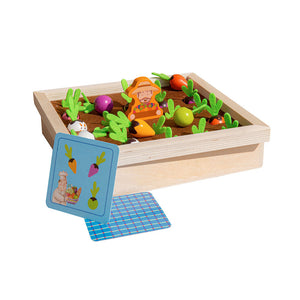
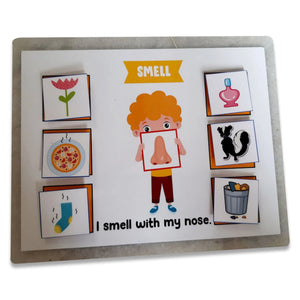
Sensorial materials, such as the Pink Tower or sound cylinders, are specifically designed to refine children's senses and introduce abstract concepts concretely. These activities encourage children aged 3-6 years to explore patterns, sequences, and relationships through hands-on engagement. SkilloToys offers a wide range of Montessori materials that support these vital learning experiences.
Furthermore, incorporating themed activityKits related to Indian festivals, culture, or local history can make learning both culturally relevant and deeply engaging. Children can recreate a Diwali celebration with craft materials, learn about different states through geography puzzles, or explore science concepts with simple, hands-on experiments.
Choosing Educational Toys for Schools
Selecting appropriate educational toys for schools is crucial for successful play-based learning. These are not merely distractions but carefully chosen tools that facilitate learning outcomes, encourage creativity, and develop specific skills. Look for open-ended toys that can be used in multiple ways, promoting imagination and problem-solving.
SkilloToys offers a curated selection of toys that align with play-based learning principles, designed to support various developmental areas. Think about materials that encourage collaboration, communication, and critical thinking. From construction sets that teach engineering principles to storytelling props that enhance language development, the right resources empower both educators and children.
Overcoming Challenges and Championing Change
While the benefits are clear, integrating play in Indian classrooms can face challenges, including curriculum demands, teacher training, and parental expectations for academic rigour. Many parents, accustomed to traditional methods, may initially worry that play diminishes academic focus.
Educators and school leaders must articulate the long-term benefits of play-based learning, demonstrating how it builds a strong foundation for future academic success and overall well-being. Celebrating small victories, showcasing student work, and involving parents in workshops can help build a supportive community around this modern pedagogical approach. The success of initiatives by institutions like EuroKids and Kara4Kids in expanding play-based learning across India serves as inspiring examples.
The Future of Learning: Joyful Outcomes for Indian Children
The movement towards integrating play-based learning in Indian classrooms is more than a trend; it's a recognition of how children truly learn and thrive. By embracing this approach, we move away from the pressure of rote memorisation towards a system that fosters genuine curiosity, resilience, and a lifelong love for learning.
This shift benefits not just the children but also the entire educational ecosystem, creating more dynamic, engaging, and effective learning environments. As parents and educators, our collective effort can ensure that every Indian child experiences the joy and profound benefits of learning through play, preparing them for a bright and adaptable future.
Key Takeaways
- Play-based learning transforms Indian classrooms by fostering deep engagement and critical thinking, moving beyond traditional rote memorisation.
- The National Education Policy (NEP 2020) in India advocates for experiential and play-based pedagogy across all educational stages.
- Structured and free play helps children develop crucial skills including problem-solving, creativity, social-emotional intelligence, and collaboration.
- Montessori principles offer a robust framework for integrating purposeful play, emphasizing self-directed learning with carefully designed materials.
- Collaborative efforts between parents, educators, and school administrations are vital for the successful implementation and advocacy of play-based learning.
- Appropriate educational toys and open-ended learning materials are essential tools for creating effective, engaging, and developmentally beneficial play environments.
How does play-based learning improve engagement in Indian classrooms?
Play-based learning significantly improves engagement by fostering curiosity and intrinsic motivation, allowing children to actively explore concepts rather than passively receive information. This approach makes learning relevant and enjoyable, addressing the unique needs and cultural context of Indian students.
Is play-based learning suitable for older children in India?
Yes, play-based learning is highly suitable for older children. While often associated with early childhood, its principles of experiential learning, problem-solving, and collaboration are effective across all age groups, adapting to more complex subjects and challenges.
What are some examples of Montessori classroom activities for play-based learning?
Montessori classroom activities for play-based learning include practical life exercises like pouring and buttoning, sensorial work with materials like the Pink Tower, and language activities using sandpaper letters. These self-directed activities cultivate concentration, independence, and a deep understanding of concepts.
How can Indian parents support play-based learning at home?
Indian parents can support play-based learning at home by providing open-ended materials, encouraging free play, and valuing exploration over rote memorisation. Creating a stimulating environment where children can pursue their interests and engage in imaginative play fosters continuous learning.
Does play-based learning conflict with academic performance in India?
No, play-based learning does not conflict with academic performance; it enhances it. Research shows that children engaged in play-based learning develop stronger critical thinking, problem-solving, and social-emotional skills, leading to better long-term academic outcomes and a deeper understanding of subjects.