Play-Based Learning Maharashtra Strategies: A Parent Guide
Empowering children through engaging experiences, practical play-based learning Maharashtra strategies derived from the recent Ahilyanagar Roundtable offer a transformative approach for parents. These insights confirm that fostering a child's natural curiosity and developmental growth is best achieved through purposeful play, moving beyond traditional rote memorisation.
What is Play-Based Learning?
Play-based learning is an educational approach where children learn through play, exploration, and discovery. This matters immensely because it aligns with a child's natural instincts, promoting holistic development across cognitive, social, emotional, and physical domains. Indian parents can integrate this by intentionally designing home environments and activities that support child-led discovery.
Why Play-Based Learning Matters for Maharashtra's Children
Maharashtra's First Play-Based Learning Roundtable, held recently in Ahilyanagar, underscored the critical importance of play in early childhood education. This aligns with global recommendations from UNICEF, which highlight the first five years as the most critical stage for learning and development. Child development experts agree that up to 75% of brain development occurs before age five, making joyful and meaningful engagement crucial.
In a region where academic pressure can sometimes overshadow holistic development, adopting early childhood education Maharashtra strategies that prioritise play offers a vital counter-balance. Research indicates that children engaged in play-based learning exhibit higher creativity, better problem-solving skills, and superior emotional regulation compared to those in highly structured, academic-focused settings from a young age. This foundation equips them better for future schooling and life, rather than just exam scores.
Translating Roundtable Insights into Home Play-Based Learning Maharashtra Strategies
The Ahilyanagar Roundtable emphasised actionable strategies for parents and educators. Here’s how you can bring these insights into your home, ensuring your child thrives through playful learning.
Creating a Prepared Environment: The Montessori Way at Home
Central to Montessori philosophy, a prepared environment allows children to explore safely and independently. For parents in Maharashtra, this means designating a child-friendly space with accessible shelves for toys and materials, promoting autonomy from an early age. Maria Montessori championed spaces that respect the child's need for order and freedom.
Consider simple modifications: a low table for drawing, small baskets for sorted toys, and materials organised by type. This approach helps children develop concentration and self-discipline. Explore Montessori Method Learning Materials that are designed to fit seamlessly into such an environment, encouraging focused engagement.
Nurturing Child-Led Exploration and Independence
Allowing children to choose their activities fosters intrinsic motivation and a deeper connection to learning. While respecting elders is a cornerstone of Indian family values, parents can still empower children with choices within boundaries. For example, during festival preparations, offer choices: "Would you like to help sort the rangoli colours or arrange the diyas?"
This autonomy is vital for developing decision-making skills and a sense of agency. Provide open-ended activityKits that encourage children (e.g., 2-5 years) to follow their own ideas, whether it's building a tower that touches the ceiling or creating a story with figurines.
Integrating Everyday Life and Cultural Contexts
Play-based learning activities India parents can easily incorporate involve daily routines and cultural practices. Engaging children in kitchen tasks, like counting lentils or washing vegetables, transforms chores into lessons in numeracy and practical life skills. During Diwali, making traditional sweets or decorating the home offers sensory and fine motor skill development.
For children aged 3-6, involving them in gardening, visiting local markets, or participating in family rituals helps them understand their environment and cultural heritage. These authentic experiences provide rich contexts for learning language, social norms, and community values, often naturally supported by the presence of grandparents in joint families.
The Role of Thoughtful Materials and Montessori Toys Maharashtra
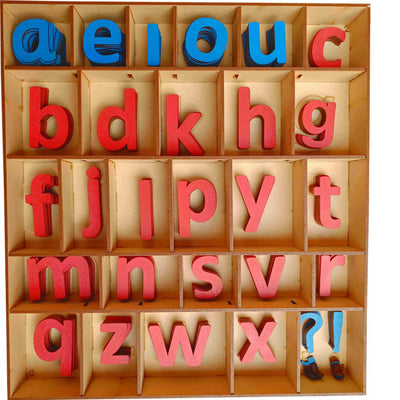
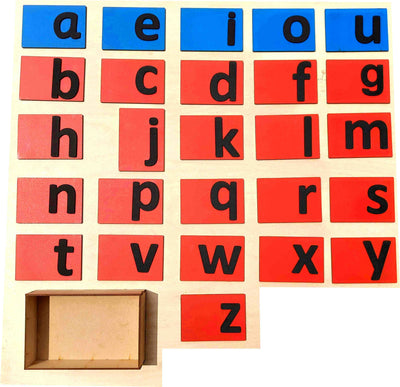
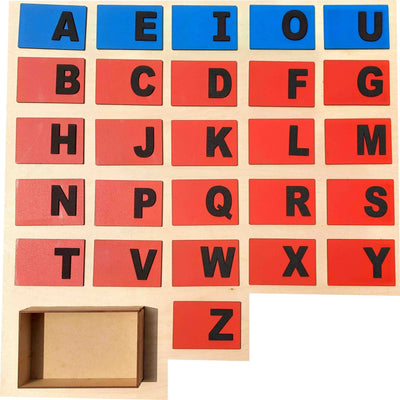
The quality and intention behind play materials significantly impact learning outcomes. Instead of overwhelming children with numerous plastic toys, focus on fewer, high-quality, open-ended materials. Montessori toys Maharashtra parents can utilise, such as the pink tower or sandpaper letters, are specifically designed to isolate concepts and facilitate hands-on discovery.
These materials promote problem-solving, sensory exploration, and fine motor skill development. Even simple puzzles or building blocks offer immense learning potential for children aged 18-24 months, teaching spatial reasoning and hand-eye coordination. Studies consistently show that well-chosen educational materials enhance a child's ability to learn independently.
Overcoming Academic Pressure with Joyful Learning
Indian parents often face societal pressure regarding early academic achievement. However, child development experts universally affirm that an overemphasis on rote academics in early years can hinder creativity and a love for learning. Parenting tips Maharashtra parents can embrace include trusting the process of play, understanding that it builds a robust foundation for future academic success.
By implementing these play-based learning Maharashtra strategies, parents are not just making learning fun; they are fostering essential skills like resilience, adaptability, and critical thinking. These are the true markers of a well-rounded individual, capable of thriving in a rapidly changing world, reducing unnecessary stress on children and families.
- Play-based learning is crucial for early childhood development, particularly for children aged 0-6 years.
- The Maharashtra's First Play-Based Learning Roundtable highlighted the need for actionable play strategies in homes.
- Creating a 'prepared environment' at home, inspired by Montessori principles, fosters child independence.
- Allowing child-led exploration enhances intrinsic motivation and decision-making skills.
- Integrating cultural activities and daily chores provides rich, context-specific learning experiences for Indian children.
- Thoughtfully selected educational materials and Montessori toys are vital for focused skill development.
- Prioritising joyful, play-based learning helps alleviate academic pressure and builds crucial life skills.