Play-based Learning Viksit Bharat: Future-Ready Citizens
Play-based learning Viksit Bharat is a critical strategy for India's national vision, directly fostering the holistic development necessary for creating future-ready citizens. This approach ensures children build essential 21st-century skills like critical thinking and innovation from an early age, preparing them to contribute meaningfully to a developed India, as highlighted by the CII Blog.
In a nation bustling with aspirations and innovation, the foundation for our children's future is not just in textbooks but in their everyday play. As India surges towards becoming a global leader, nurturing joyful, curious, and resilient young minds is more vital than ever, moving beyond the traditional academic pressures.
What is Play-Based Learning?
Play-based learning is an educational approach where children learn through self-directed or guided play activities. This matters because it cultivates curiosity, problem-solving, and social-emotional skills more effectively than traditional methods. Indian parents can integrate this by providing open-ended toys and opportunities for free exploration at home.
Play-Based Learning: A Cornerstone for Viksit Bharat Education
The vision of Viksit Bharat demands a populace equipped not just with knowledge, but with skills to innovate, adapt, and lead. Research shows that play-based learning is fundamental in developing these crucial capabilities, making it a cornerstone for Viksit Bharat education. Children who engage in meaningful play learn to approach challenges creatively and think critically, moving beyond simple memorisation.
As experts discuss in 'The Brain Before Books - Rethinking India's First Six Years,' the early years are paramount. Investing in play during this period is an investment in the nation's intellectual capital. It lays the groundwork for entrepreneurial spirit and problem-solving, which are essential for driving national progress. Consider enriching their world with diverse activity kits that spark curiosity and hands-on discovery.
Fostering Future-Ready Citizens India Through Play
To truly nurture future-ready citizens India needs, we must empower children with more than just academic scores. Play fosters collaboration, communication, and resilience – qualities invaluable in both personal and professional spheres. Whether it's building a tower with siblings or enacting a dramatic story with grandparents, children learn to negotiate, share, and empathize.
These social skills, often honed in the bustling environment of Indian homes and joint families, are as critical as cognitive abilities. Studies indicate that children engaged in play-based learning exhibit higher levels of motivation and problem-solving skills compared to those in traditional settings. Engaging with intricate puzzles, for instance, develops patience and strategic thinking, vital traits for future innovators.
Early Childhood Development India: The Power of Play
Neuroscience confirms that 90% of a child's brain develops by age five, making early childhood development India's most crucial investment. This period is a window of immense opportunity, where play acts as the primary vehicle for learning. Through play, children naturally explore cause and effect, develop motor skills, and begin to understand the world around them.
The emphasis on play over rote learning in these formative years is not a luxury but a necessity for optimal brain development. It sets a robust foundation for lifelong learning, preventing early burnout and fostering a genuine love for discovery that extends well beyond the school gates and into adulthood.
Montessori for National Development: A Proven Path
Maria Montessori's philosophy, deeply rooted in observing the child's natural inclination to learn through exploration, offers a powerful framework for Montessori for national development. Her method, which champions self-directed activity, hands-on learning, and collaborative play, perfectly aligns with the principles of play-based learning.
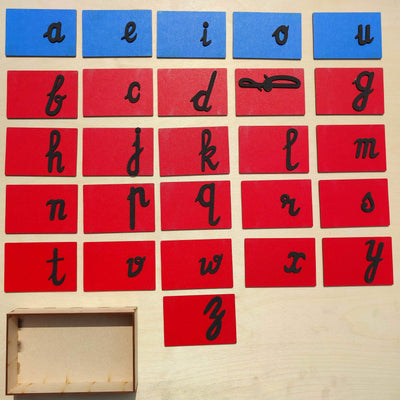
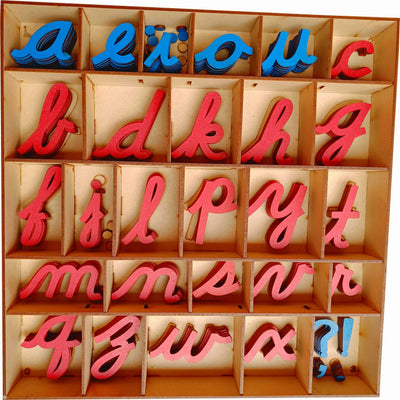
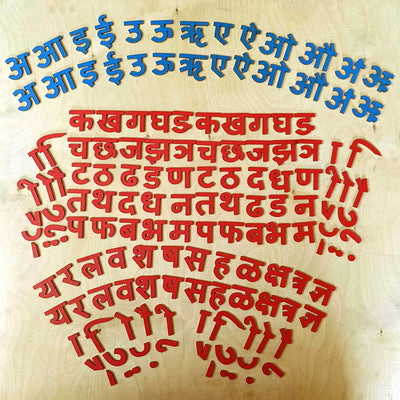
Montessori materials like the pink tower for understanding dimensions or sandpaper letters for early literacy are not just toys; they are tools that engage children's senses and intellect simultaneously. This approach ensures children are not just memorizing facts but truly understanding concepts, becoming self-sufficient learners and critical thinkers, which is exactly what a developed India requires. Discover how these principles can transform learning with our Montessori method learning materials.
Holistic Child Development India: Beyond Academics
In a society often focused on academic achievement, advocating for holistic child development India is paramount. Play-based learning champions the growth of the whole child – emotionally, socially, physically, and cognitively. It teaches children to manage emotions, resolve conflicts, and understand different perspectives, skills invaluable for navigating diverse communities and families.
Whether it's the joy of a festival celebrated together or the lessons learned from elders, Indian children grow up in rich social environments. Play amplifies these natural learning opportunities, building character and resilience. As Hindustan Times rightly states, 'Play. It prepares us for learning and life,' equipping children for real-world challenges far beyond exam halls.
Real-World Impact: Insights from Indian Thought Leaders
Leading voices in Indian education are increasingly echoing the importance of play. The discussions around 'Sneha's Imagination Station : Nurturing Curious Minds through Authentic Early Learning' in Siliconindia highlight the innovative approaches being taken to embed play into educational frameworks. This shift is not merely pedagogical; it is strategic.
Child development experts agree that a playful approach to learning is key to cultivating innovative minds. It is through exploration and experimentation that children develop the courage to think differently and the resilience to pursue their ideas. These qualities are vital for India's economic and social progress, creating a generation of changemakers for Viksit Bharat.
- Play-based learning is a foundational strategy for achieving India's Viksit Bharat vision.
- This approach cultivates essential 21st-century skills like critical thinking, innovation, and adaptability in children.
- Early childhood (0-6 years) is a crucial period where play significantly shapes brain development and future capabilities.
- Montessori education is a proven play-based methodology that aligns with national development goals.
- Holistic child development, encompassing emotional and social skills, is paramount for creating well-rounded Indian citizens.
- Experts in India advocate for integrating play into education to prepare children for future challenges and opportunities.
Frequently Asked Questions
What is Viksit Bharat?
Viksit Bharat (Developed India) is a national initiative outlining India's vision to become a developed nation by 2047. It encompasses economic growth, social progress, environmental sustainability, and good governance, requiring an educated and skilled populace.
How does play-based learning specifically contribute to Viksit Bharat?
Play-based learning builds foundational skills like critical thinking, innovation, problem-solving, and adaptability – all crucial for a dynamic, developed nation. It ensures children grow into self-reliant and creative individuals ready to drive India's progress.
Is Montessori education considered play-based learning?
Yes, Montessori education is inherently a form of guided play-based learning. It emphasizes self-directed activity, hands-on learning with specially designed materials, and collaborative play, all within a prepared environment that fosters natural curiosity and exploration.
What are the benefits of play-based learning for Indian children?
For Indian children, play-based learning reduces academic pressure, enhances social-emotional skills vital for joint family structures, and cultivates a lifelong love for learning. It prepares them to be innovative contributors in a rapidly changing global landscape, aligning with national aspirations.
How can parents integrate play-based learning at home in India?
Indian parents can integrate play-based learning by providing open-ended toys and materials, encouraging imaginative play, involving children in daily activities, and valuing their curiosity over rote memorization. Creating a stimulating home environment where exploration is celebrated is key.