Play Prepares for Learning and Life: An Indian Parent's Guide
As the Hindustan Times recently highlighted, "Play. It prepares us for learning and life," a powerful statement that resonates deeply with SkilloToys' philosophy. Research confirms that play fundamentally prepares children for lifelong learning and navigating life by fostering critical cognitive, emotional, and social skills through intrinsic motivation and hands-on exploration. This essential foundation, deeply rooted in Indian childhood traditions, empowers children to adapt, problem-solve, and thrive in an ever-changing world.
For Indian parents, understanding this profound connection between joyful play and future success is key to nurturing resilient, curious, and well-adjusted children. Beyond academic pressures, play offers a holistic pathway to development, celebrating curiosity and intrinsic motivation over rote memorization.
What is Play-Based Learning?
Play-based learning is an educational approach where children learn through playful activities and exploration, rather than direct instruction. This matters because it cultivates natural curiosity and critical thinking, crucial for school readiness and beyond. Indian parents can integrate this by providing open-ended toys and encouraging free play at home, from exploring the kitchen with Amma to building imaginary worlds with cousins.
The Importance of Play in Childhood Development
The importance of play in childhood development cannot be overstated; it is the child's natural work. Child development experts agree that through play, children develop crucial brain connections, enhancing memory, attention, and problem-solving abilities. Maria Montessori observed that children learn best by doing, using their hands and senses to understand the world around them.
Studies consistently show that children engaged in regular free play exhibit higher emotional intelligence and better social skills. For instance, UNICEF's Early Childhood Education frameworks emphasize play as central to holistic development, recognizing its role in preparing children not just for school, but for life. This foundational learning helps children manage emotions and navigate social dynamics, whether it's sharing sweets during Diwali or negotiating roles in a game of hide-and-seek.
Foundational Skills Through Play: More Than Just Fun
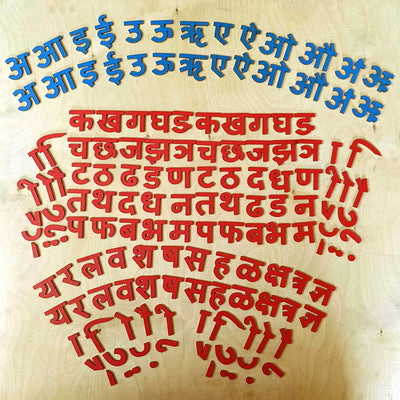
Play lays the groundwork for foundational skills through activities that might seem simple but are profoundly impactful. When a child stacks Montessori learning materials like the Pink Tower, they are not just playing; they are developing spatial awareness, fine motor control, and an understanding of order. Similarly, engaging with puzzles enhances logical reasoning and persistence, critical traits for academic success and problem-solving in daily life.
Research indicates that 80% of brain development occurs by age three, making early childhood play indispensable. Children learn to negotiate, cooperate, and resolve conflicts during playtime, whether it's during a family game of Ludo or while sharing toys with friends in the neighbourhood park. These are vital life skills that cannot be taught through textbooks alone, preparing them for complex social interactions and collaborative environments.
Play-Based Learning Benefits India's Future Generations
The benefits of play-based learning for India's future generations align perfectly with the vision of Viksit Bharat. By fostering creativity and critical thinking from a young age, we are nurturing innovators and leaders. The BW Education article, 'The Brain Before Books - Rethinking India's First Six Years,' underscores the necessity of prioritizing play and experiential learning in early childhood over early academic pressure.
This approach builds self-confidence and an intrinsic love for learning, reducing the burden of examination stress often faced by Indian students. When children learn through exploration with activity kits, they develop a sense of accomplishment and ownership over their learning journey. This prepares them to be adaptable, innovative thinkers, ready to contribute meaningfully to society and face global challenges.
Nurturing Lifelong Learners: Play Beyond Academics
Play doesn't just prepare children for school; it instills a disposition for lifelong learning and continuous personal growth. Children who have ample opportunities for self-directed play develop initiative, resilience, and a positive attitude towards challenges. They learn that making mistakes is part of the process, a crucial lesson for navigating life's inevitable ups and downs.
This intrinsic motivation cultivated through play transcends academic achievement, equipping children with the emotional fortitude to pursue passions, embrace new skills, and adapt to evolving circumstances. Whether it's learning a new language, mastering a craft, or starting a business, the playful exploration of childhood builds the mental flexibility and courage required for these lifelong endeavors.
Creating a Play-Rich Environment in Indian Homes
Creating a play-rich environment in Indian homes involves more than just buying toys; it's about valuing and integrating play into daily life. Encourage imaginative play by allowing children to use household items creatively, like turning a dupatta into a superhero cape or pots and pans into a drum set. Grandparents can share traditional stories and games, enriching play with cultural heritage.
Designate a 'free play zone' where children have access to open-ended materials and can explore without constant adult supervision. Limit screen time to encourage outdoor play and interaction with siblings and cousins. Remember, the most effective play environments are those that are safe, stimulating, and responsive to a child's innate curiosity, allowing them to lead their own learning journey.
- Play fundamentally develops cognitive, emotional, and social skills crucial for lifelong learning.
- The importance of play in childhood is recognized globally by experts like Maria Montessori and organizations such as UNICEF.
- Foundational skills like problem-solving and fine motor control are significantly enhanced through engaging in purposeful play.
- Play-based learning fosters curiosity and critical thinking, preparing Indian children for a dynamic future and contributing to Viksit Bharat.
- Nurturing a love for learning through play builds resilience and adaptability, essential traits for navigating life's challenges beyond academics.
- Creating a stimulating, play-rich environment at home, often with the involvement of extended family, is vital for holistic child development.
Is free play enough for a child's learning?
Yes, free play is incredibly powerful as it fosters creativity, problem-solving, and independence without external pressure. While guided activities have their place, unstructured free play allows children to explore their interests and develop self-directed learning naturally.
How does play specifically prepare children for school in India?
Play prepares children for school by developing foundational skills like concentration, fine motor control, social interaction, and language acquisition. Montessori materials, for example, build pre-writing skills and logical thinking, making the transition to formal schooling smoother and less stressful.
What role do grandparents play in encouraging play-based learning?
Grandparents in India's joint families are invaluable in fostering play-based learning through storytelling, traditional games, and sharing cultural knowledge. Their presence offers emotional security, rich imaginative experiences, and intergenerational learning opportunities that enhance a child's overall development.
How can I balance academic pressure with the importance of play for my child?
Balancing academic pressure with play involves prioritizing sufficient time for unstructured play daily, even amidst homework. Emphasize the long-term benefits of play for critical thinking and emotional resilience, which ultimately support academic success more effectively than rote learning alone.
What types of educational toys support lifelong learning through play?
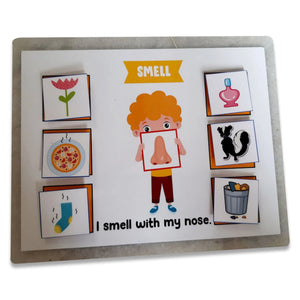
Educational toys that support lifelong learning through play are typically open-ended and encourage exploration, such as Montessori materials, puzzles, and creative activity kits. These toys promote critical thinking, fine motor skills, and imaginative engagement, allowing children to learn at their own pace and discover new concepts.