Telugu Letters with Pictures: Play-Based Learning Guide
To teach Telugu letters with pictures effectively through play-based learning, parents must engage children using multi-sensory materials and joyful, child-led activities. This approach, which focuses on natural curiosity rather than rote memorisation, makes learning the Telugu Varnamala an engaging and memorable experience for young minds. It ensures that children develop a strong foundation and love for their mother tongue, free from academic pressure.
Play-based Telugu letter learning is an educational approach where children acquire Telugu Varnamala knowledge through self-directed or guided play. This method is vital because it fosters intrinsic motivation and deeper comprehension, allowing Indian children to embrace their mother tongue naturally, free from academic pressure.
In today's India, where discussions around a "Viksit Bharat" highlight the importance of foundational learning, play-based education is not just an option but a necessity. As noted by the CII Blog, it provides a crucial foundation for holistic child development. Ensuring that every child "gets to have a childhood," as Dailyhunt discusses, means honouring their natural inclination to learn through play, rather than burdening them with rote memorisation. This approach ensures learning Telugu is a joyful journey.
Understanding Play-Based Learning for Telugu Varnamala for Kids
Child development experts agree that children learn best when they are actively engaged and curious. For teaching Telugu letters with pictures, this means moving beyond textbooks and flashcards to interactive experiences. Maria Montessori's philosophy, for instance, emphasizes tactile and sensory exploration, recognizing that young children learn through doing and experiencing, not just listening or observing.
Research indicates that children who engage in play-based learning develop stronger cognitive, social, and emotional skills compared to those in highly structured environments. This method allows children to construct their own understanding of the Telugu alphabet, fostering critical thinking and problem-solving. For Indian parents, this translates to a child who not only knows their letters but understands their sounds and forms in a meaningful context, creating a lasting connection to their linguistic heritage.
Creating a Multi-Sensory Environment for Teaching Telugu Letters at Home
A multi-sensory approach is paramount when teaching Telugu letters at home, especially for young learners. This involves engaging sight, sound, touch, and even movement to reinforce learning. Studies by UNESCO highlight that play is crucial for child development, reducing stress and improving academic outcomes by up to 15% when integrated effectively into learning.
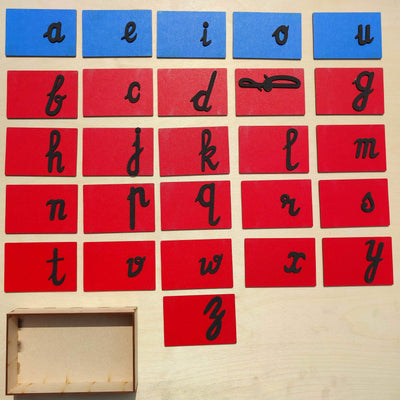
Begin by introducing Telugu Varnamala through visuals that are clear and appealing, pairing each letter with a familiar image – for instance, 'అ' for 'అమ్మ' (mother) or 'ఆ' for 'ఆవు' (cow). Integrate auditory learning by singing Telugu alphabet songs or reciting simple rhymes. Tactile experiences, such as tracing large Telugu letters drawn on the floor, or using Montessori-inspired sandpaper letters, allow children to literally feel the shape of each character, building muscle memory. This comprehensive approach is particularly effective for children aged 3-5 years.
Engaging Activities for Learning Telugu Alphabet Play
Transforming Telugu letter learning into play makes the process enjoyable and effective. One excellent activity is using a "Telugu Letter Hunt" where children search for specific letters hidden around the house, perhaps finding 'క' on a calendar or 'చ' on a chair. This makes learning active and engaging. Another highly effective method involves adapting the Montessori 3-period lesson to Telugu letters.
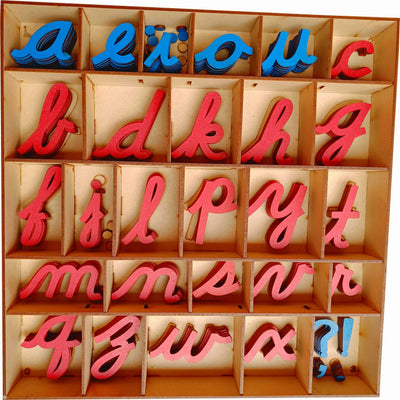
During the first period, introduce the letter (e.g., "This is 'అ'"). The second period involves recognition ("Show me 'అ'"). The third period focuses on recall ("What is this letter?"). Use movable Telugu alphabets to form simple words, or engage in "Telugu Letter Art" where children create letters using playdough, clay, or even rice flour paste, just like many of us did growing up in Indian homes. These activities strengthen recognition and memory without the pressure of formal lessons, a method that aligns with why play-based learning deserves equal footing with nutrition in child development, as India Today emphasizes.
Choosing the Right Telugu Educational Toys for Early Learners
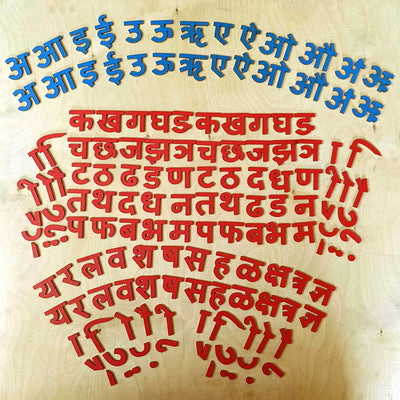
Selecting appropriate Telugu educational toys is crucial for supporting play-based learning. Look for materials that are open-ended, allow for self-correction, and are durable for repeated use. Wooden Telugu alphabet puzzles are excellent for developing fine motor skills and letter recognition, providing a tactile experience that connects the shape of the letter to its sound.
Activity kits specifically designed for language learning, featuring Telugu letters with pictures, can provide structured yet playful learning opportunities. These kits often include matching games, tracing boards, or cards that link letters to common Telugu words, perfect for interactive play with parents or even grandparents who love to teach their grandkids. SkilloToys offers a wide range of such high-quality, child-safe Montessori-inspired materials, tailored to support your child's journey in learning Telugu Varnamala joyfully.
Integrating Telugu Letter Learning into Daily Indian Life
Learning Telugu letters should be a natural part of a child's everyday life, not an isolated academic task. Incorporate Telugu into daily conversations, read Telugu storybooks before bedtime, or sing traditional Telugu nursery rhymes during playtime. Encourage grandparents to share stories and teach letters as they did in their childhood, fostering intergenerational bonding.
During festivals or family gatherings, point out Telugu script on invitations, decorations, or food labels. For instance, identifying the 'గ' in "గణపతి" during Ganesh Chaturthi or 'ద' in "దీపావళి" makes learning relevant and culturally rich. These consistent, low-pressure exposures build a strong foundation for language acquisition, ensuring that children absorb their mother tongue organically and confidently, rather than feeling overwhelmed by formal schooling pressures.
- Play-based learning is the most effective method for teaching Telugu letters, fostering intrinsic motivation.
- Multi-sensory engagement (sight, sound, touch) significantly enhances a child's ability to learn Telugu Varnamala.
- Montessori principles, like adapted sandpaper letters and movable alphabets, are ideal for regional language acquisition.
- Integrating Telugu letter learning into daily routines and cultural activities makes the process natural and joyful.
- Choosing open-ended, high-quality Telugu educational toys supports self-directed learning and skill development.
- Consistent, low-pressure exposure to Telugu letters at home reduces academic stress and builds a strong linguistic foundation.
What is the best age to start teaching Telugu letters?
The ideal age to introduce Telugu letters is typically between 2.5 to 4 years, coinciding with a child's sensitive period for language. Focus on pre-writing skills and phonetic sounds before formal letter recognition, making it a natural exploration.
How can I make learning Telugu Varnamala fun at home?
Making Telugu Varnamala fun at home involves incorporating multi-sensory activities like tracing sandpaper letters, singing alphabet songs, storytelling with picture books, and engaging in simple craft projects. Prioritize play over rote memorization to foster a love for the language.
Are Montessori materials effective for learning regional languages like Telugu?
Yes, Montessori materials are highly effective for regional language learning, including Telugu, due to their hands-on and self-correcting nature. Adapted sandpaper letters, moveable alphabets, and phonetic games directly support children in understanding Telugu script and sounds through tactile exploration.
How do play-based methods help children avoid academic pressure?
Play-based methods naturally alleviate academic pressure by allowing children to learn at their own pace and through intrinsic motivation. When learning Telugu letters feels like an enjoyable game, children are more receptive and confident, building a positive association with education rather than anxiety.
What are some simple Telugu alphabet activities for toddlers?
Simple Telugu alphabet activities for toddlers include tracing letters in sand or rice, identifying letters on flashcards with corresponding Telugu words, and singing traditional Telugu nursery rhymes. Focus on gross motor skills and associating sounds with shapes, rather than perfect writing.