Wooden Puzzles for Kids: Educational Play Guide
Wooden puzzles for kids are exceptional tools for holistic child development, significantly enhancing cognitive skills, fine motor coordination, and problem-solving abilities from an early age. They provide a foundational infrastructure for early learning, much like India's growing emphasis on human capital investment starting with children, by engaging young minds in hands-on, exploratory play that builds crucial brain connections. This guide will explore the profound benefits and help you choose the best wooden puzzles for your child.
What are wooden puzzles for kids? Wooden puzzles are educational toys crafted from wood, designed to challenge children to fit various shapes or pieces together to form a complete image or structure. This matters because they are tangible, durable, and offer a multi-sensory learning experience that plastic toys often cannot replicate. Indian parents can confidently invest in these timeless tools to support their child's natural curiosity and developmental milestones.
Why Wooden Puzzles are a Pillar of Play-Based Learning
Child development experts agree that engaging with educational puzzles is far more than just fun; it's a critical component of learning through play. Research shows that children who regularly engage with puzzles develop superior spatial reasoning skills and a better understanding of part-to-whole relationships. This hands-on exploration prepares them for complex mathematical concepts later in school, alleviating some of the academic pressure often felt by young students in India.
The tactile nature of wooden puzzles stimulates multiple senses, making learning a richer experience. Holding the smooth, often colourful wooden pieces, children learn about texture, weight, and dimensions. This sensory input is vital for brain development, helping to create stronger neural pathways for learning and memory. It's a joyful way for children to discover the world around them, echoing the philosophy behind initiatives like ThinkWittsy, which champions play as a core learning method.
Benefits of Wooden Puzzles: Beyond Just Fun
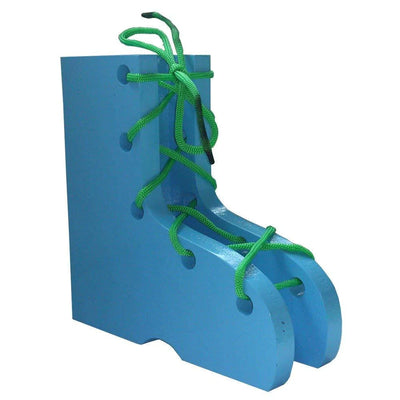
The benefits of wooden puzzles extend across various developmental domains. Firstly, they are champions of fine motor skill development. The precise grip and manipulation required to pick up and place puzzle pieces strengthen small hand muscles and improve dexterity, essential for future writing and self-care tasks. Imagine a tiny hand carefully placing a piece, a skill vital for everything from tying shoelaces to using cutlery in a joint family setting.
Secondly, wooden puzzles significantly boost cognitive skills. Children learn problem-solving as they figure out where each piece belongs, developing strategies through trial and error. They also enhance memory, concentration, and logical thinking. Studies indicate that regular puzzle play can lead to a 20-30% improvement in these cognitive functions in preschoolers, setting a strong foundation for lifelong learning.
Furthermore, puzzles foster hand-eye coordination and visual perception. Children learn to recognise shapes, colours, and patterns, understanding how individual elements contribute to a larger picture. This holistic development through play aligns perfectly with the Montessori philosophy, where learning is self-directed and experiential, a principle inspiring SkilloToys.com's collection of Montessori method learning materials.
Beyond cognitive and motor skills, puzzles also aid in language development as children learn to name shapes, colours, and objects depicted in the puzzles. They can also support emotional regulation, teaching patience and persistence as children work through challenges, leading to a sense of accomplishment.
Choosing the Right Wooden Puzzles for Every Age Group
Selecting age-appropriate wooden puzzles is crucial for maximising their developmental impact and maintaining a child's interest. SkilloToys offers a diverse range of puzzles designed for various stages, ensuring there's always a perfect fit for your little one's growing mind.
Puzzles for Toddlers (12-36 Months): Early Exploration
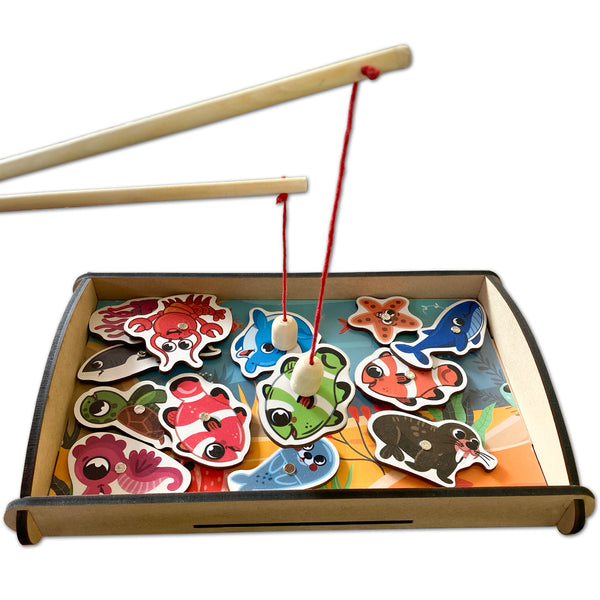
For the youngest learners, typically 12-24 months, puzzles for toddlers should feature large, chunky pieces with knobs for easy grasping. Simple shape sorters, animal puzzles, or vehicle-themed tray puzzles are ideal. These help develop basic fine motor skills, shape recognition, and early vocabulary. Maria Montessori herself emphasised materials that isolate one concept at a time, making learning clear and focused for tiny hands.
As toddlers grow, around 24-36 months, they can progress to slightly more complex peg puzzles or simple jigsaw puzzles with 3-5 pieces. These build on their foundational skills and introduce more intricate problem-solving. This early engagement with educational puzzles helps lay the groundwork for a lifelong love of learning, reducing early childhood stress often associated with performance-based tasks.
Montessori Puzzles for Kids (3-6 Years): Fostering Independence
For preschoolers, Montessori puzzles for kids become invaluable. These often include geometric shape puzzles, world maps, or detailed animal and plant puzzles, promoting advanced spatial reasoning, geographical awareness, and scientific understanding. The self-correcting nature of many Montessori puzzles empowers children to learn independently, building confidence and fostering a 'can-do' attitude crucial for their early school years.
Consider activity kits that combine puzzles with other manipulative materials. For example, a tangram set or a multi-layer human anatomy puzzle can provide hours of focused engagement. These are excellent ways to introduce complex subjects in an accessible, play-based format, keeping children engaged and curious without the pressure of formal lessons. Explore our range of activityKits for more advanced options that challenge and delight.
Integrating Educational Puzzles into Daily Indian Family Life
Wooden puzzles are a wonderful addition to any Indian home, providing engaging, screen-free playtime that brings families together. Grandparents can enjoy solving simple puzzles with their grandchildren, fostering intergenerational bonds and sharing quiet moments away from the hustle and bustle of daily life. During festivals like Diwali or Pongal, a new puzzle can be a thoughtful gift that encourages thoughtful play rather than just passive entertainment.
Incorporating puzzles into a child's routine can also offer a calming activity during quiet time or after school, helping them decompress from structured learning environments. They can be a perfect collaborative activity, encouraging communication and teamwork among siblings. It's a gentle reminder that learning is a continuous, joyful process, not confined to textbooks. By choosing high-quality, durable wooden puzzles, parents are making an investment in their child's cognitive infrastructure, mirroring the national conversation around play as vital human capital development.
- Wooden puzzles are vital for developing cognitive and fine motor skills in children.
- Montessori puzzles promote concentration, independence, and logical thinking.
- Puzzle play significantly boosts spatial reasoning and early mathematical understanding.
- Choosing age-appropriate wooden puzzles ensures optimal developmental benefits.
- Puzzles offer a screen-free, joyful alternative to academic pressure for Indian children.
- Research confirms puzzle engagement enhances problem-solving and language skills.
What age is best for wooden puzzles?
Wooden puzzles are beneficial for children starting as young as 12-18 months with simple knobbed puzzles, progressing to more complex jigsaw and spatial puzzles for toddlers and preschoolers (2-5 years). The key is selecting puzzles that match the child's developmental stage to keep them engaged and challenged appropriately.
How do wooden puzzles help child development?
Wooden puzzles significantly aid child development by fostering fine motor skills through grasping and manipulating pieces, enhancing hand-eye coordination, and boosting cognitive abilities like problem-solving, logical thinking, and shape recognition. They also build concentration and patience, crucial life skills.
Are Montessori puzzles effective for kids?
Yes, Montessori puzzles are highly effective for kids because they are designed to be self-correcting, promoting independence and intrinsic motivation in learning. They often isolate specific concepts like shape, size, or color, allowing children to master one skill at a time and build a strong foundation for abstract thinking.
What types of wooden puzzles are there for toddlers?
For toddlers, common types of wooden puzzles include knobbed puzzles for grasping practice, shape sorters for basic recognition, chunky puzzles with large pieces for easy manipulation, and simple tray puzzles. These designs cater to developing fine motor skills and introduce foundational concepts in a playful manner.
How can parents choose the best wooden puzzles?
Parents should choose wooden puzzles based on their child's age, developmental stage, and interests, ensuring pieces are appropriately sized for safety and challenge. Look for durable, non-toxic materials, and consider puzzles that align with educational goals, like those found in the SkilloToys' puzzles collection, to maximize learning potential.