AIIMS Study on Screen Time & Infant Brain Development: Facts vs. Viral Claims
The recent AIIMS study on AIIMS study screen time infant brain development unequivocally establishes a concerning link between early screen exposure and developmental issues in young children. Amidst viral claims and widespread confusion among Indian parents, understanding the authoritative scientific findings is crucial. This research highlights that children, especially between 0-3 years, require rich, interactive environments for optimal brain growth, not passive screen engagement.
Many Indian households are grappling with increased screen usage, with news headlines from The Times of India and The Indian Express highlighting AIIMS expert statements linking higher screen exposure at age one to autism risk by age three. The Economic Times also reports concerns about reduced attention spans and disturbed sleep. It's time to cut through the noise and empower parents with facts and practical, screen-free alternatives.
What the AIIMS Study Reveals About Early Screen Exposure
The All India Institute of Medical Sciences (AIIMS) study provides significant data on the impact of early screen exposure, particularly for children aged 0-3 years. Research shows a clear association where increased screen time in infants and toddlers can lead to noticeable developmental delays. Specifically, the study indicates that children exposed to higher levels of screen time by their first birthday demonstrate a greater likelihood of exhibiting signs associated with autism spectrum disorder by age three.
This authoritative research moves beyond anecdotal evidence, confirming that passive screen engagement deprives young brains of the crucial interactive stimuli needed for forming neural connections. Studies indicate that for every additional hour of screen time, there is a measurable impact on cognitive, language, and socio-emotional development. These findings are particularly vital for Indian parents navigating the modern world with traditional family values.
Understanding Screen Time Autism Risk (0-3 Years)
The connection between early screen time autism risk 0-3 years is a major finding from the AIIMS study that warrants immediate attention. During these foundational years, a child's brain undergoes rapid development, forming billions of connections. When children spend excessive time on screens, they miss out on critical experiences like face-to-face interactions, exploratory play, and sensory engagement—all vital for developing social cues, language skills, and emotional regulation.
Child development experts agree that these missed opportunities can disrupt normal developmental trajectories, leading to outcomes such as reduced attention spans, speech delays, and difficulties in social interaction, often observed as autism-like signs. The consistent exposure to rapidly changing visuals and sounds from screens can also overstimulate the developing brain, leading to issues like disturbed sleep patterns and increased irritability, as reported by leading Indian news outlets.
Debunking Viral MRI Screen Time Claims in India
While discussions around viral MRI screen time claims India have sparked considerable debate, it is important to distinguish sensationalized content from scientific fact. Images claiming to show 'damaged' infant brains due to screen time often lack specific medical context and can be misleading. However, the core concern they highlight—the detrimental impact of screens on young brains—is firmly supported by robust research like the AIIMS study.
Instead of focusing on potentially misconstrued viral images, parents should rely on the evidence-based findings of institutions like AIIMS. The study's focus is on the functional and developmental changes observed in children with early screen exposure, confirming that screens impede critical brain development pathways. The debate isn't about the literal 'damage' visible on an MRI, but the profound impact on a child's cognitive architecture and developmental milestones.
Montessori Brain Development for Infants: A Screen-Free Alternative
For parents seeking powerful alternatives to screens, the Montessori philosophy offers a proven pathway for optimal Montessori brain development infants. Maria Montessori's method emphasizes creating a 'prepared environment' where children learn through self-directed activity, hands-on exploration, and collaborative play. This approach naturally caters to the developmental needs of infants and toddlers, fostering concentration, problem-solving skills, and independence.
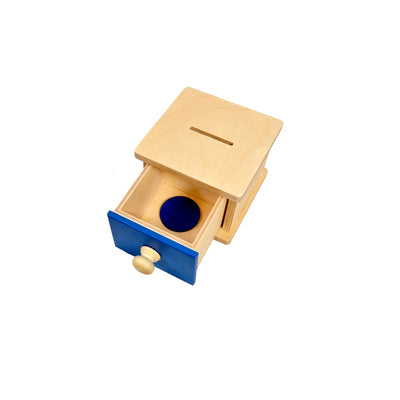
Instead of passive screen consumption, Montessori encourages active engagement with real-world objects and experiences. For example, infants benefit immensely from tracking movements of Montessori learning materials like mobiles and exploring object permanence boxes. Toddlers thrive with practical life activities such as pouring, sorting, and dressing frames, which refine fine motor skills and build self-confidence. These activities build foundational neural pathways far more effectively than any digital interaction.
Practical Tips for Screen-Free Parenting with Toddlers
Adopting screen-free parenting toddlers in today's digital age, especially within the dynamic context of early childhood screen exposure India, requires intentional effort and creative solutions. Indian parents can effectively limit screen time by:
- Creating a Rich Environment: Offer a variety of age-appropriate, open-ended toys and materials. Think wooden blocks, puzzles, and sensory bins with dal or rice.
- Engaging Activity Kits: Introduce engaging activity kits that encourage hands-on exploration and skill development, providing structured, creative play.
- Involving Grandparents: Leverage the wisdom of joint families. Grandparents can engage children with traditional storytelling, songs, and games, offering invaluable intergenerational bonding.
- Outdoor Play: Prioritize daily outdoor time, whether it's a stroll in the park, playing with a ball, or simply exploring the garden. Nature provides endless sensory input.
- Family Rituals: Establish screen-free routines, such as reading together before bedtime, singing devotional songs, or having conversation-filled meals.
- Modeling Good Habits: Children learn by observing. Parents who limit their own screen time during family hours set a powerful example.
Remember, the goal is not perfection, but providing a stimulating, nurturing environment that prioritizes real-world interactions over digital distractions. Empowering our children with a strong foundation in their early years ensures healthier brain development and a more robust future.
- The AIIMS study directly links higher screen exposure in infants (0-3 years) to increased risks of developmental delays and autism-like signs by age three.
- Early childhood screen time significantly impacts critical brain development, affecting attention spans, sleep patterns, and socio-emotional skills.
- Viral MRI claims about screen damage, while often sensationalized, underline a scientifically validated concern about screens impeding brain development.
- Montessori education provides a proven, screen-free approach to foster holistic brain development through hands-on, purposeful activities.
- Minimizing screen exposure in infants and toddlers is crucial for optimal cognitive and social growth, as supported by authoritative research.
- Indian parents can implement practical strategies like engaging activity kits, traditional play, and family rituals to ensure a screen-free childhood.