Board Games for Kids: Boosting Academic Success in India
In an era where screens often dominate childhood, Indian parents are increasingly concerned about the impact on their children's academic success and overall development. Board games for kids offer a powerful, research-backed solution, fostering critical thinking and essential academic skills that screens often hinder. Child development experts agree that interactive, tangible play is paramount for optimal cognitive growth.
As leading publications like Firstpost and Healthshots highlight the alarming link between excessive screen time and detrimental effects on children's academic performance and well-being, the need for effective alternatives is clearer than ever. Renowned educationist Maria Montessori herself championed hands-on learning that cultivates deep understanding and independent thought. Montessori board games embody this philosophy, providing a vibrant, screen-free pathway to a brighter academic future for children across India.
What are Montessori Board Games?
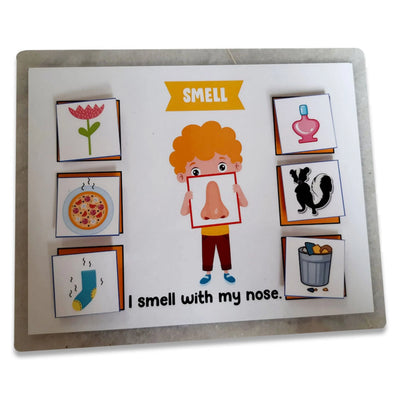
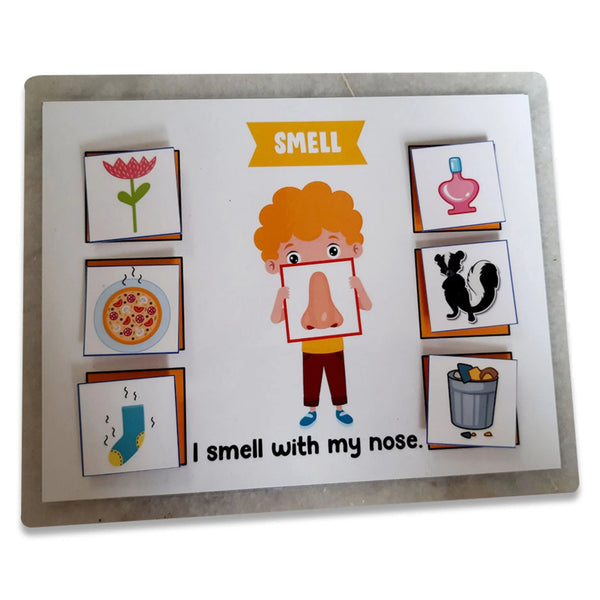
Montessori board games are purposeful play tools designed to engage children actively in learning through hands-on exploration and problem-solving. They provide structured, self-correcting activities that foster concentration, independence, and a love for learning. Indian parents can utilise these games to bridge the gap between play and academic readiness, creating a strong foundation.
Board Games for Kids Cultivate Critical Thinking Skills
Research consistently shows that engaging with critical thinking games for kids significantly enhances a child's ability to analyse situations, make logical deductions, and solve complex problems. Unlike passive screen consumption, board games demand active mental participation. Children must strategise their moves, anticipate opponents' actions, and adapt to changing game conditions, thereby sharpening their cognitive agility.
For Indian children facing increasing academic pressures, developing robust critical thinking is not just a benefit but a necessity. Games like chess, checkers, or even simpler pattern-matching games found in many activityKits train young minds to think several steps ahead. This foresight translates directly into improved analytical skills needed for mathematics, science, and even daily decision-making.
Boosting Academic Success with Screen-Free Learning in India
Studies indicate that children who regularly engage in screen-free learning activities, particularly educational board games, often exhibit higher scores in math, language arts, and overall academic readiness. These games bolster crucial cognitive functions like memory, attention span, and processing speed – all vital for classroom success. The "Screen-Free Childhood" movement gains significant traction as parents witness tangible improvements.
In many Indian homes, where grandparents often play a pivotal role, these games become a beautiful way to bond while learning. A game of Ludo or Snakes & Ladders, while seemingly simple, reinforces number recognition and sequential thinking. More complex academic success toys can introduce early geometry, logical sequences, and vocabulary building, laying a strong foundation for school curriculum.
Montessori Board Games: A Pathway to Deeper Engagement
The Montessori philosophy emphasises active, experiential learning, and Montessori board games align perfectly with this principle. Instead of passively receiving information, children actively manipulate pieces, follow rules, and interact with others, leading to deeper comprehension and retention. This hands-on approach stimulates multiple senses, making learning more memorable and enjoyable.
Consider the difference between a child watching a numbers-based app versus playing a physical counting game. The latter involves tactile interaction, vocalisation, and direct consequence of actions, all of which cement understanding more effectively. This active engagement is especially vital for developing concentration, a skill that Jaaved Jaaferi poignantly noted today's children struggle with, as highlighted in The Times of India.
Developing Essential Life Skills Beyond Academics
Beyond academic performance, board games are unparalleled tools for developing essential life skills. They teach children patience, sportsmanship, and the ability to cope with both winning and losing gracefully – invaluable lessons for navigating social situations and competitive environments like school exams. Collaboration and communication skills are also naturally fostered when playing with family or friends.
For children in joint families across India, board games create shared experiences, promoting intergenerational bonding and cooperative play. These interactions build emotional intelligence, empathy, and resilience, attributes crucial for holistic development. From a simple game of Carrom to intricate strategy games, each session is a lesson in social dynamics and emotional regulation.
Choosing the Right Educational Board Games for Your Child
When selecting educational board games, consider your child's age, interests, and developmental stage. Look for games that challenge them without causing frustration, encouraging perseverance and growth. SkilloToys.com offers a curated selection of Montessori-aligned games designed to stimulate cognitive abilities and support academic pathways.
From foundational games for early learners to complex strategy challenges for older children, the right board game can become a treasured family activity and a powerful educational tool. Explore our range of activityKits that bundle engaging games focused on specific skill development, making screen-free learning an exciting adventure for every Indian child.
How do board games improve critical thinking?
Board games challenge children to strategise, anticipate outcomes, and adapt to changing situations, directly engaging and developing their problem-solving and logical reasoning abilities. This active mental engagement strengthens neural pathways responsible for critical thought.
Can Montessori board games truly replace screen time?
Yes, Montessori board games offer a rich, multi-sensory, and interactive alternative to screen time, providing direct engagement that fosters concentration, social skills, and cognitive development. They encourage hands-on learning, which is fundamental to the Montessori philosophy.
What age is best to introduce educational board games?
Educational board games can be introduced as early as 18-24 months with simple matching or sorting games, gradually progressing to more complex strategy games for children aged 3+ and beyond. The key is age-appropriateness and engagement.
Are there specific board games for academic subjects like math or language?
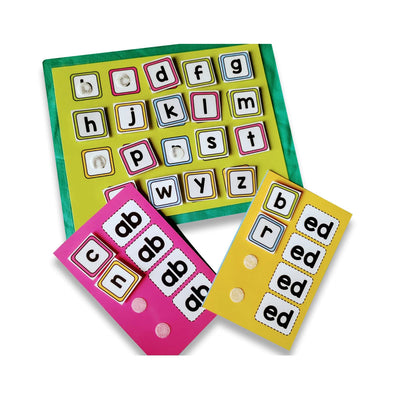
Absolutely. Many educational board games are designed to reinforce specific academic concepts, from counting and arithmetic to vocabulary and spelling. Look for games that integrate learning objectives into their core gameplay, like those found in quality activityKits.
How do board games help with focus and concentration?
Board games require sustained attention, rule adherence, and strategic planning, naturally training a child's focus and concentration over extended periods. Unlike fragmented digital experiences, they encourage deep engagement and minimise distractions.
- Montessori board games actively counter negative effects of screen time on academic performance.
- Critical thinking games for kids develop problem-solving, strategy, and logical reasoning skills.
- Screen-free learning with board games enhances concentration and memory for school success.
- Educational board games foster social skills like collaboration and sportsmanship in children.
- Maria Montessori's principles support active, hands-on learning over passive digital consumption.
- Research confirms that interactive play improves mathematical and linguistic abilities in children.