Childhood Myopia: Screen Time's Impact on Indian Kids
Research definitively shows that excessive screen time is a primary driver fueling the urgent rise of childhood myopia in India, a critical concern flagged by leading medical experts like AIIMS doctors. This escalating issue directly threatens children's long-term eye health and demands proactive, informed parenting. By understanding the scientific impact of digital devices, Indian families can implement Montessori-inspired strategies to safeguard their little ones' vision.
Childhood myopia, or nearsightedness, is a condition where distant objects appear blurry due to the eye's shape. This matters because it often progresses with age, increasing risks of serious eye conditions later in life. Indian parents can mitigate this by fostering an environment rich in varied visual stimulation and carefully limiting screen exposure.
The Alarming Link Between Screen Time and Children's Eyesight Problems
The urgency around rising childhood myopia in India is undeniable, with prominent medical institutions like AIIMS consistently flagging warning signs. Major Indian news outlets, including The Indian Express and The Times of India, frequently report on the dramatic increase in this vision impairment, directly linking it to prolonged screen exposure among young children.
Research indicates that the sustained close-up focus required by smartphones, tablets, and computers puts immense strain on developing eyes. This constant near-work inhibits the natural growth and relaxation of the eye muscles, leading to the elongation of the eyeball—a hallmark of myopia.
Furthermore, a significant factor contributing to children's eyesight problems is the reduction in outdoor playtime. Deprived of crucial natural light exposure and opportunities for distance viewing, children miss out on protective mechanisms against myopia progression, making this a critical public health concern for Indian families.
Understanding How Screen Exposure Harms Eye Development
Child development experts, consistent with Maria Montessori's observations, agree that young eyes are still in a critical phase of development, making them particularly vulnerable to environmental stressors. When children spend hours engaged with digital devices, their eyes are forced into an unnatural, sustained state of accommodation and convergence.
This continuous effort to focus intently on a nearby screen leads to what scientists call 'retinal defocus,' where light entering the eye does not precisely focus on the retina. Over time, this chronic visual stress is a key biological factor in the eyeball elongating and reshaping, ultimately resulting in the blurred distance vision characteristic of myopia.
The lack of diverse visual stimuli—the natural act of looking far, then near, tracking moving objects, and observing details in a dynamic environment—is also detrimental. Screens offer a static, limited visual field that actively hinders the rich, varied visual experiences essential for robust eye development and proper visual acuity.
Montessori Activities for Healthy Eyes: Nurturing Vision Development
Maria Montessori always stressed the importance of hands-on, sensory experiences for holistic child development, and this includes fostering healthy vision from an early age. Montessori activities naturally encourage visual tracking, depth perception, and focused attention on real-world objects, providing a stark contrast to passive screen viewing.
Materials like the Pink Tower and Broad Stair engage children in precise visual discrimination of size, dimension, and order, enhancing their observational skills. Activities involving sorting beads, transferring water with spoons, or using fine motor tools strengthen hand-eye coordination and the muscles responsible for detailed visual processing.
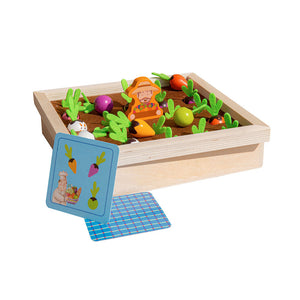
Encourage engagement with practical life skills such as pouring, scooping, and buttoning, which demand focused attention and refine visual acuity. SkilloToys offers a range of activity kits that foster these skills, providing purposeful, screen-free engagement that protects and strengthens developing eyes for children aged 18-24 months and older.
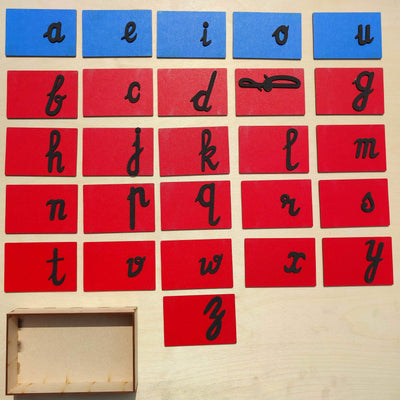
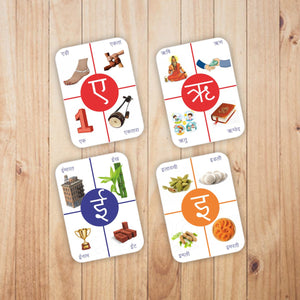
Engaging with sandpaper letters and other tactile learning materials also involves close visual inspection combined with touch, creating multi-sensory learning pathways that support visual development more effectively than flat digital interfaces.
Practical Ways to Prevent Myopia Kids India: A Balanced Approach
Protecting children from progressive myopia requires a multi-faceted and culturally sensitive approach, particularly within the bustling routines of Indian households and academic pressures. The consensus among pediatric ophthalmologists is unequivocally clear: outdoor time is paramount.
Aim for at least two hours of daily outdoor play, encouraging children to explore local parks, engage in traditional games like kho-kho or cricket with friends and grandparents, or simply observe distant objects in the garden. This provides vital natural light exposure and allows the eyes to relax by focusing at infinity, a critical factor in preventing myopia and promoting overall eye health.
When screens are unavoidable for educational purposes, implement the '20-20-20 rule': every 20 minutes, encourage your child to look at something 20 feet away for at least 20 seconds. Ensure optimal lighting for reading and schoolwork, avoiding dim environments that strain eyes, and promote good ergonomic posture to reduce both eye and neck strain.
Crucially, schedule regular comprehensive eye check-ups with a pediatric ophthalmologist for early detection and management of any vision changes. SkilloToys advocates for a balanced routine that prioritizes real-world exploration, purposeful play, and family engagement over passive digital consumption, empowering Indian parents to proactively safeguard their children's precious vision for a brighter future.
- Excessive screen time is scientifically proven to accelerate the rise of childhood myopia in India.
- Prolonged near-focus on screens hinders natural eye development and leads to eyeball elongation.
- At least two hours of daily outdoor play is crucial for preventing myopia by promoting natural light exposure and distance vision.
- Montessori activities enhance visual tracking, depth perception, and focus through hands-on engagement with real materials.
- Implementing regular breaks during screen use and ensuring good reading posture are vital protective measures.
- Early detection through routine eye check-ups is essential for managing and preventing the progression of myopia in children.
What specific visual activities worsen childhood myopia?
Activities requiring sustained close-up focus, such as prolonged screen time on smartphones, tablets, and computers, significantly worsen childhood myopia. These activities limit the eye's ability to focus on distant objects and reduce crucial outdoor light exposure.
How much outdoor time is recommended to prevent myopia in Indian children?
Research shows that a minimum of two hours of outdoor time daily is highly effective in preventing and slowing the progression of childhood myopia. Natural light exposure and the opportunity for distance viewing are key benefits for developing eyes.
Can Montessori methods truly help with eye development?
Yes, Montessori methods are designed to foster holistic development, including eye health. Activities involving sensorial materials, practical life skills, and fine motor work naturally improve visual tracking, discrimination, and hand-eye coordination without digital strain.
Are there early signs of myopia Indian parents should look for?
Common early signs include squinting, difficulty seeing distant objects like the TV or blackboard, frequent eye rubbing, and holding books or devices very close to the face. Regular comprehensive eye exams are crucial for early detection and intervention.
What is the "20-20-20 rule" for screen time?
The "20-20-20 rule" advises that for every 20 minutes spent looking at a screen, a child should look at something 20 feet away for at least 20 seconds. This simple practice helps reduce eye strain and allows the eye muscles to relax effectively.