Doll House for Kids: Montessori Play Combats Speech Delay
A doll house for kids serves as a highly effective Montessori tool for combating speech delay often linked to excessive screen time, especially prevalent in Indian children today. Through imaginative play, children naturally practice communication, role-playing, and vocabulary expansion, laying a strong foundation for language development. Indian parents can leverage this screen-free activity to foster critical verbal skills in a joyful and engaging environment.
The urgency around speech delay in Indian children is palpable, with news outlets like NDTV highlighting "The Silent Epidemic" linking it to digital screens. As conversations around children's rights to play and screen addiction intensify (as seen in reports from The Times of India and Firstpost), finding tangible, screen-free solutions for language development becomes paramount for every family.
The Silent Epidemic: Understanding Speech Delay in Indian Children
Recent studies and child development experts across India highlight a concerning rise in speech delay screen time India. This phenomenon is often attributed to the increasing exposure of young children to digital devices, replacing crucial face-to-face interactions and spontaneous play. For many Indian families, where joint family setups traditionally provided rich linguistic environments, the shift towards screen-based entertainment presents a unique challenge.
Experts agree that early childhood is a critical window for language acquisition. When children spend excessive hours passively consuming content, they miss out on the dynamic back-and-forth communication that naturally builds vocabulary, sentence structure, and conversational skills. This impacts not just verbal expression but also social and cognitive development, creating pressures as children approach school readiness.
What is Montessori Language Development?
Montessori language development is a holistic approach focused on nurturing a child's innate desire to communicate and express themselves, often starting from birth. This matters because a rich linguistic environment and hands-on experiences are foundational for cognitive growth and social interaction. Indian parents can actively support this by providing engaging, purposeful materials and creating opportunities for real-world conversations and exploration.
Maria Montessori firmly believed that language is a tool for thought and social connection. Her method introduces children to language through sensory experiences, practical life activities, and structured materials, encouraging precise vocabulary and clear expression. The emphasis is always on empowering the child to learn at their own pace and discover the joy of communication.
How a Doll House for Kids Fuels Montessori Language Skills
A doll house for kids stands as an exceptional educational toy for speech delay, offering a microcosm of real-life scenarios perfect for language practice. As children engage in imaginative role-play, they naturally narrate stories, assign roles to characters, and express emotions, all of which are powerful exercises in verbal communication. This active engagement is a stark contrast to the passive consumption of screen time.
Within the miniature world of a doll house, children reenact daily routines, family dynamics, and even festival preparations, using a vast range of vocabulary. They might describe "eating dinner," "putting baby to sleep," or "Dadi telling a story," thereby practicing nouns, verbs, prepositions, and adjectives in context. This spontaneous and joyful exploration solidifies understanding and usage of new words.
Furthermore, doll house play encourages problem-solving and social interaction, even when playing alone. A child might articulate a character's "sadness" or "excitement," developing emotional literacy alongside linguistic skills. For collaborative play with siblings, friends, or even grandparents, the doll house becomes a stage for negotiation, turn-taking, and shared storytelling, all vital for robust Montessori language development.
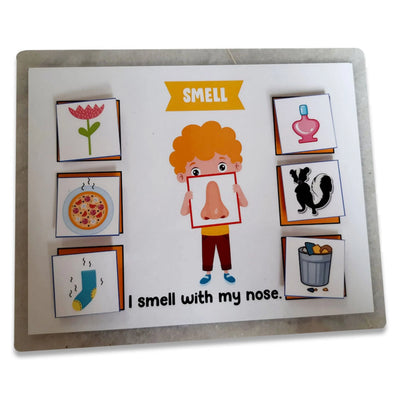
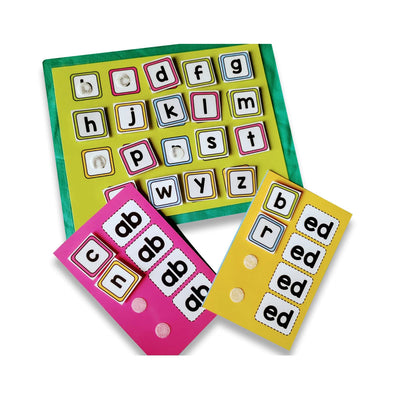
Consider pairing the doll house with other enriching resources, such as SkilloToys' range of activityKits, which provide structured activities designed to further enhance fine motor skills and cognitive development, complementing the imaginative play fostered by a doll house. These hands-on materials work in harmony to build a child's complete skill set.
Screen-Free Activities for Language Growth: Beyond the Doll House
While a doll house is a cornerstone, numerous other screen-free activities for language can significantly contribute to overcoming speech delay and fostering verbal fluency. Reading aloud, for instance, introduces new vocabulary and sentence structures, while encouraging children to ask questions and discuss characters and plots. Regular storytelling sessions, perhaps with grandparents, are invaluable for cultural transmission and language exposure.
Practical life activities, a core Montessori principle, also provide immense language opportunities. Involving children in simple household chores like sorting clothes, setting the table, or helping with cooking provides context for new words and concepts. Describing each action and object ("pass the dal," "fold the saree," "wash the utensils") naturally expands their functional vocabulary.
Outdoor play is another fantastic avenue for language development. Exploring nature, identifying plants and animals, or describing textures and sounds ("rough bark," "chirping bird") stimulates sensory language. Engaging in pretend play outdoors, such as building a fort or hosting a pretend picnic, encourages children to create narratives and negotiate roles, fostering robust communication skills.
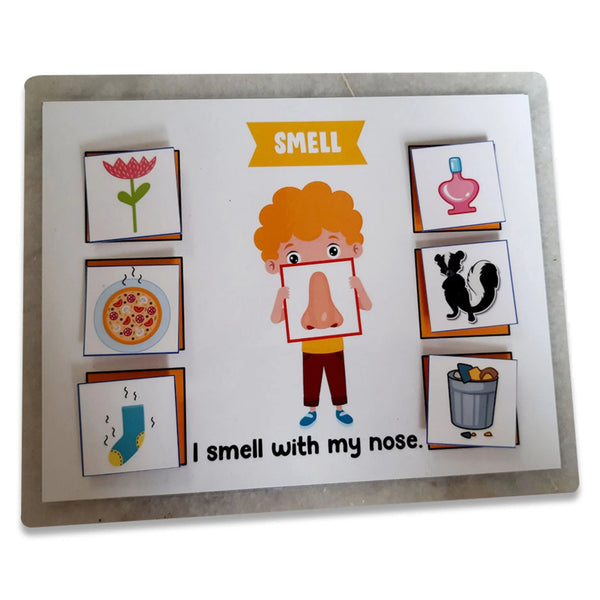
SkilloToys offers a wide array of Montessori educational toys designed to support all facets of development, including language. From puzzles that encourage descriptive vocabulary to sensory bins that prompt exploration and discussion, these tools provide tangible alternatives to screens, promoting active learning and interaction.
Empowering Parents: Practical Steps for Screen-Free Language Play
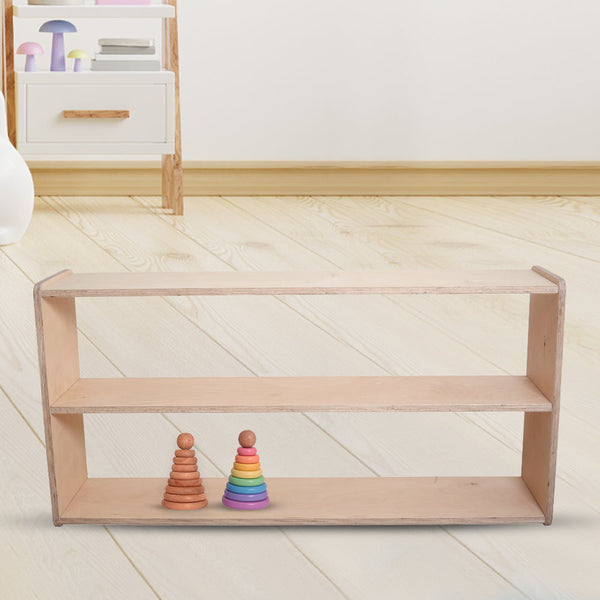
Combating Indian children speech delay requires intentionality and consistency from parents. Start by setting clear boundaries around screen time, ideally eliminating it entirely for children under two, as advised by child development experts. Create dedicated "language zones" in your home, perhaps a cozy corner with books, art supplies, and a doll house, where interaction is prioritized.
Involve other family members, especially grandparents (Dadi and Nani), who are often rich sources of stories, songs, and traditional rhymes. Their wisdom and presence offer invaluable linguistic and cultural immersion. Make conversations a daily ritual, asking open-ended questions about their day, their play, or their feelings, moving beyond simple "yes" or "no" answers.
Remember that you are your child's first and most important language teacher. Your active engagement, patient listening, and descriptive commentary during play and daily routines are far more impactful than any digital program. Embrace the mess, the noise, and the imaginative chaos of real play; it is in these moments that true language growth flourishes.
The rise of speech delay among Indian children linked to screen time is a serious concern, but it is one that proactive, Montessori-inspired parenting can effectively address. Investing in a doll house for kids and embracing a range of screen-free, interactive activities empowers children to develop robust language skills naturally and joyfully. By choosing purposeful play, parents provide a foundation for not just communication, but for holistic growth and a vibrant, connected childhood.
- Doll houses promote imaginative play essential for language development.
- Montessori play actively counters screen time's negative effects on speech.
- Role-playing with a doll house expands vocabulary and communication skills.
- Screen-free activities are crucial for holistic child development in India.
- Speech delay in Indian children is a growing concern linked to digital screens.
- Maria Montessori emphasized practical life skills for language acquisition.
Can a doll house really help with speech delay?
Yes, a doll house is highly effective for language development. It encourages children to create narratives, role-play, and use a wide range of vocabulary in a contextual and imaginative setting, directly stimulating verbal expression.
What age is a doll house best for language development?
Doll houses are beneficial for language development from toddlers (around 18-24 months) through early primary school. Younger children learn individual words and actions, while older children develop complex narratives and social scripts.
How does screen time affect a child's speech in India?
Excessive screen time in Indian children often reduces face-to-face interaction and opportunities for spontaneous conversation, which are crucial for language acquisition. This passive consumption can lead to delays in vocabulary, sentence formation, and conversational skills.
What are some other screen-free activities for language?
Beyond doll houses, effective screen-free activities include reading aloud, storytelling, engaging in practical life activities (like cooking or chores), and outdoor play. These activities provide rich contexts for vocabulary and communication practice.
Are Montessori toys specifically designed for speech delay?
Montessori toys are not solely for speech delay, but their design inherently supports language development through hands-on, purposeful interaction. They encourage descriptive language, sequential thinking, and focused engagement, all beneficial for communication skills.
How can Indian families integrate more screen-free play?
Indian families can integrate more screen-free play by involving grandparents in storytelling, creating dedicated play zones, and incorporating children into daily routines. Prioritising interactive play over passive entertainment is key.