Educational Toys for Screen-Free Indian Kids: A Montessori Guide
Educational toys are essential tools that empower Indian children to embrace a screen-free childhood by fostering natural curiosity, hands-on learning, and holistic development, directly countering the pervasive screen addiction observed by India's top doctors. Research shows that engaging with purposeful play materials from a young age builds foundational cognitive and motor skills, crucial for a child's overall well-being and academic readiness.
For many Indian parents in Bengaluru and across the country, the challenge of limiting screen time is a daily battle, with reports from ETV Bharat highlighting screen dependence as a new worry. This guide explores how Montessori learning materials and other high-quality educational toys offer a powerful, proven solution, guiding children towards a childhood rich in exploration and genuine learning.
What are Educational Toys?
Educational toys are specifically designed play materials that stimulate a child's learning and development across cognitive, physical, social, and emotional domains. This matters because they provide purposeful engagement, encouraging exploration and problem-solving without digital distractions. Indian parents can effectively integrate these toys into daily routines to nurture well-rounded growth.
The Screen-Time Challenge for Indian Families
The digital age has brought unprecedented challenges, particularly for Indian families. News outlets like Firstpost and The Times of India have recently highlighted how screen addiction is harming children, with top doctors explaining the hidden costs of excessive screen media use. This pervasive issue creates a dilemma for parents juggling modern demands, academic pressures, and the desire for their children to thrive.
In many Indian homes, where joint families often mean multiple screens and varied media habits, setting consistent screen-time boundaries can be particularly complex. Children are increasingly exposed to devices from a young age, often leading to reduced attention spans, disrupted sleep, and diminished interest in traditional play, impacting their overall child development.
Montessori Toys India: A Powerful Screen-Free Alternative
Addressing the growing concern of screen dependence, Montessori education offers a profound solution through its specially designed materials. Montessori toys India provides a direct counter to the passive consumption of screens by encouraging active engagement and purposeful exploration. Based on Dr. Maria Montessori's philosophy, these materials are crafted to isolate concepts, allowing children to learn through discovery and self-correction.
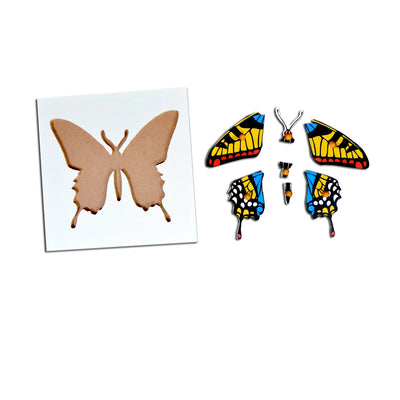
Child development experts agree that a prepared environment rich in tactile, sensorial experiences is crucial for optimal brain development, especially during the formative years. Montessori materials, such as the Pink Tower for understanding dimensions or Sandpaper Letters for pre-writing skills, captivate children's innate curiosity, fostering deep concentration and a love for learning that screens simply cannot replicate.
Unlocking Child Development Toys: Benefits Beyond the Screen
Choosing the right child development toys goes far beyond mere entertainment; it's an investment in your child's future. These toys offer multifaceted benefits that are particularly vital in a screen-saturated world. They enhance fine motor skills through intricate manipulation, develop problem-solving abilities as children figure out puzzles, and ignite creativity through open-ended play.
Studies indicate that children who engage in active, tactile play exhibit stronger problem-solving abilities and longer attention spans compared to those with excessive screen exposure. For example, building blocks foster spatial reasoning, while practical life materials, like pouring or dressing frames, build independence and coordination. These experiences lay robust foundations for academic success and emotional resilience, providing tangible benefits of educational toys.
Practical Strategies for Introducing Screen-Free Toys at Home
Transitioning to a screen-free environment doesn't have to be overwhelming. Indian parents can start by creating a dedicated play area, a 'prepared environment' inspired by Montessori principles, where educational toys are easily accessible and neatly organised. Involve your child in the selection process for activity kits, empowering them to take ownership of their play choices.
Integrate screen-free play into daily routines, perhaps after school or before dinner, making it a cherished family activity. Grandparents, with their invaluable stories and wisdom, can also play a pivotal role, engaging children with traditional games and helping them explore new Montessori materials. This collaborative approach fosters a culture of purposeful play that transcends digital distractions.
The Lasting Benefits of Educational Toys
The decision to prioritise screen-free play with educational toys yields enduring advantages. Children who grow up in environments rich with meaningful play experiences often develop superior communication skills, greater emotional regulation, and enhanced social intelligence. These foundational skills are not only crucial for navigating school pressures but also for building healthy relationships throughout life.
Child development experts worldwide, including those advising Indian health authorities, consistently highlight the critical period from birth to age six for foundational brain development, emphasizing the need for rich, interactive environments free from digital distractions. By choosing high-quality educational toys, parents are not just providing alternatives to screens; they are actively shaping their child's cognitive architecture, fostering a lifelong love for learning, and ensuring robust development.
- Educational toys empower Indian children by fostering curiosity and hands-on learning, directly countering screen addiction.
- Montessori toys provide a powerful screen-free alternative, promoting deep concentration and independent discovery.
- Studies show active, tactile play enhances problem-solving and attention spans more effectively than screen time.
- Introducing age-appropriate educational toys from infancy supports critical developmental stages and brain growth.
- Creating a 'prepared environment' with accessible educational toys is a key strategy for screen-free homes.
- Prioritising screen-free play leads to enhanced communication, emotional regulation, and social intelligence in children.
What is the primary benefit of educational toys for Indian kids?
The primary benefit is fostering holistic development across cognitive, physical, and emotional domains, while simultaneously providing engaging alternatives to screen time. These toys encourage hands-on learning and critical thinking, which are essential for foundational skills.
How do Montessori toys help in creating a screen-free environment?
Montessori toys are designed to be self-correcting and engaging, encouraging deep concentration and independent discovery. Their tactile and purpose-driven nature captivates children's attention, naturally reducing their inclination towards passive screen entertainment by offering richer, more meaningful experiences.
At what age should Indian parents introduce educational toys?
Educational toys can be introduced from infancy, with age-appropriate materials starting as early as 0-6 months, like sensory rattles and soft books. As children grow, introducing more complex Montessori learning materials around 18-24 months supports critical developmental stages.
Can grandparents help promote screen-free play with educational toys?
Absolutely. Grandparents, with their wealth of stories and experiences, can be wonderful partners in screen-free play, using educational toys to create shared learning moments. Their involvement enriches cultural learning and strengthens intergenerational bonds through purposeful activities.
Where can I find high-quality Montessori educational toys in Bengaluru?
SkilloToys.com is India's leading Montessori educational toys store based in Bengaluru, offering a wide range of authentic, high-quality materials. We provide resources and support to help Indian parents choose the best toys for their child's screen-free development.