Educational Toys for Screen-Free Kids in India: A Guide
Choosing the right educational toys is crucial for fostering a screen-free childhood in India, providing engaging alternatives that support holistic development. Parents can effectively combat rising screen time concerns by selecting Montessori-aligned toys that promote hands-on learning, independence, and concentration, creating a rich environment for growth.
Montessori educational toys are specifically designed materials that promote self-directed, hands-on learning and skill development. This matters because they satisfy a child's innate curiosity and foster independence, critical for healthy growth. Indian parents can leverage these toys to provide engaging alternatives to screen media, nurturing concentration and problem-solving abilities.
Understanding Montessori Principles for Toy Selection
Selecting Montessori toys India requires understanding the core philosophy of Dr. Maria Montessori, which champions self-directed activity and practical, hands-on learning. Research shows that children thrive when given purposeful activities that allow them to explore and master skills at their own pace. This approach directly counteracts the passive consumption encouraged by excessive screen time, a growing concern highlighted by The Times of India regarding its hidden costs.
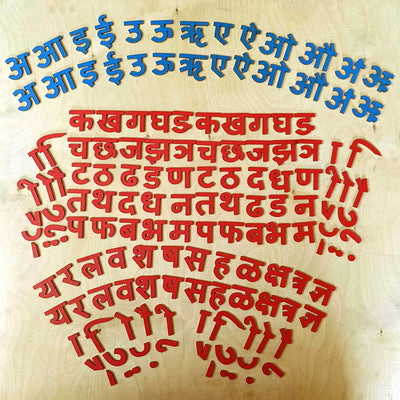
Look for toys that are simple, made from natural materials, and have a clear purpose. Each Montessori material, from the Pink Tower to Sandpaper Letters, isolates a specific concept, allowing the child to focus and self-correct. This deliberate design builds concentration and problem-solving skills, empowering children to learn through discovery rather than instruction.
Age-Appropriate Choices for Optimal Child Development
Matching toys to your child's developmental stage is paramount for truly effective child development toys. For infants (0-12 months), focus on sensory exploration with mobiles, rattles, and soft textured items that stimulate their senses. Toddlers (1-3 years) benefit immensely from activities that refine gross and fine motor skills, such as stacking blocks, shape sorters, and simple puzzles.
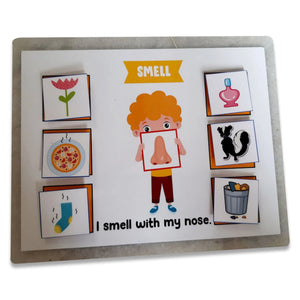
Preschoolers (3-6 years) are ready for more complex tasks that build cognitive skills and practical life abilities. Consider activity kits that involve pouring, transferring, or buttoning, alongside materials that introduce early literacy and numeracy concepts. These engaging options from activityKits and the main collection provide purposeful alternatives to screens, promoting sustained attention and skill mastery.
Prioritising Screen-Free Engagement and Skill Building
To truly achieve a screen-free childhood, prioritise screen-free toys that actively engage children in meaningful play, shifting their focus away from digital distractions. Child development experts agree that open-ended toys encourage creativity, imagination, and problem-solving, skills often stunted by excessive screen media. As Firstpost reports on screen addiction harming children, purposeful play becomes an urgent solution.
The best educational toys for kids in an Indian context often blend learning with cultural relevance, encouraging storytelling, collaborative play with siblings or grandparents, and developing practical life skills valuable in joint family settings. These experiences build strong interpersonal bonds and a deep understanding of their immediate environment, far surpassing the benefits of digital entertainment.
Quality and Safety: Essential for Indian Homes
When considering how to choose educational toys, quality and safety must be non-negotiable, especially for products used by young children. Opt for durable toys made from non-toxic, child-safe materials that can withstand years of active play and exploration. This not only ensures your child's well-being but also offers better value for money, a key consideration for Indian households.
Always check for certifications and choose reputable brands committed to safety standards. Toys should be free from small, detachable parts for younger children and have smooth, splinter-free finishes. Investing in high-quality materials means they are built to last and can be passed down, reflecting a sustainable and thoughtful approach to parenting.
Montessori at Home: Integrating Toys into Daily Life
Creating a thriving Montessori at home environment is about more than just buying toys; it's about thoughtful integration into daily routines. Organise toys on low, accessible shelves, presenting a limited selection at a time to encourage deep engagement rather than overwhelming choices. This 'prepared environment' allows children to choose their activities independently, fostering a sense of ownership and responsibility.
Encourage children to engage in 'work cycles,' where they choose an activity, complete it, and then return the materials to their place. This routine builds discipline, concentration, and respect for their surroundings. In a joint family setup, grandparents can play a beautiful role by observing, guiding gently, and participating in this learning journey, making it a collective effort to nurture the child's development.
- Montessori educational toys are crucial for fostering a screen-free childhood by offering engaging, purposeful alternatives.
- Understanding Montessori principles like self-correction and hands-on learning is key to effective toy selection.
- Age-appropriate toys are essential for supporting specific stages of child development from infancy to preschool.
- Prioritising screen-free toys builds creativity, problem-solving, and independence, countering digital dependency.
- High-quality, safe, and durable materials are paramount for all educational toys, ensuring child well-being and longevity.
- Integrating Montessori toys into a 'prepared environment' at home empowers children with self-directed learning and responsibility.
Why are Montessori educational toys effective against screen addiction?
Montessori educational toys engage children deeply with hands-on, purposeful activities that satisfy their innate curiosity and need for exploration. This rich, self-directed play naturally reduces the appeal of passive screen time, offering a more fulfilling alternative for their development.
What age-appropriate Montessori toys are best for toddlers in India?
For toddlers in India, look for Montessori toys that encourage practical life skills, sensory exploration, and fine motor development. Examples include wooden stacking blocks, sorting trays, simple puzzles, and activity kits focused on pouring or scooping, which cater to their developing independence.
Can Montessori toys be affordable for Indian families?
Yes, many Montessori principles can be applied with thoughtful and affordable choices. Focus on quality over quantity, choose versatile open-ended toys, and consider DIY materials for practical life activities. Investing in durable, multi-purpose educational toys offers long-term value, reducing the need for constant replacements.
How do Montessori toys support holistic child development?
Montessori toys are specifically designed to foster concentration, independence, problem-solving, and fine motor skills. By allowing children to learn through discovery and repetition, these toys support cognitive, physical, emotional, and social development, building a strong foundation for future learning.
What role do grandparents play in a Montessori home environment?
Grandparents in Indian joint families can play a vital role by actively engaging with Montessori toys, sharing traditional stories, and modeling respectful interaction with materials. Their presence enriches the child's learning experience, reinforcing cultural values while encouraging independent play and exploration.