Educational Toys: Foundation for Screen-Free Childhood
Educational toys are fundamental for cultivating a screen-free childhood for Indian kids by engaging their senses, fostering critical thinking, and promoting independent exploration. They provide a vital alternative to digital entertainment, laying a strong foundation for cognitive, physical, and socio-emotional development.
In today’s fast-paced world, the glow of screens often captures our children's attention, leading to concerns among Indian parents. Healthshots highlights the link between excessive screen use, obesity, and academic performance, while Firstpost details how India's top doctors are alarmed by rising screen addiction. But what if there was a powerful, joyful antidote readily available within our homes? Educational toys offer precisely that – a pathway to a vibrant, engaging childhood rich in learning and free from digital dependency.
For generations, Indian joint families have understood the importance of play, with grandparents often sharing traditional games and stories. Now, modern educational toys, inspired by philosophies like Montessori, continue this legacy, offering structured yet free-flowing learning experiences. They are not just playthings; they are tools that shape young minds, encourage curiosity, and build essential life skills crucial for our children’s future success.
What are Educational Toys?
Educational toys are specially designed objects that stimulate learning through play, helping children develop specific skills and understanding. This matters because they promote active engagement over passive consumption, which is critical for brain development. Indian parents can effectively integrate these toys to encourage problem-solving, creativity, and independence from a young age.
Why Educational Toys are Crucial for Child Development in India
Research shows that early childhood experiences profoundly impact brain architecture and future capabilities. Educational toys, often termed Montessori learning materials, provide hands-on experiences essential for this development. They are specifically designed to align with a child's natural stages of growth, fostering critical cognitive, physical, and socio-emotional skills through self-directed activity.
Child development experts, like Maria Montessori, emphasized that children learn best by doing. For instance, a toddler engaging with a 'Pink Tower' develops fine motor skills, visual discrimination, and an understanding of size and sequence. Such focused play builds concentration and problem-solving abilities that are difficult to achieve through passive screen viewing.
Furthermore, these 'importance of educational toys' extends to nurturing a child's independence and self-confidence. When children successfully complete a puzzle or construct a tower, they gain a sense of accomplishment. This intrinsic motivation is key to lifelong learning and resilience, qualities highly valued in the competitive Indian academic environment.
Fostering Screen-Free Play with Montessori Educational Toys India
The appeal of 'Montessori educational toys India' lies in their ability to naturally captivate a child's attention without artificial stimulation. Unlike flashing screens, these toys invite deep engagement, encouraging children to explore, experiment, and discover at their own pace. This deep, focused play is a cornerstone of 'screen-free play benefits', allowing children to truly immerse themselves.
Studies indicate that children who engage in hands-on, constructive play exhibit better attention spans and creative problem-solving skills. As The Times of India reports on the hidden costs of excessive screen media, offering compelling alternatives like carefully chosen activity kits becomes paramount. These kits, from threading beads to science experiments, transform playtime into a rich learning journey.
When children are deeply engrossed in building, sorting, or imagining with their learning toys, the desire for screen time diminishes significantly. This consistent engagement strengthens their innate curiosity and builds resilience against digital distractions. It allows for the organic development of imagination, vital for a balanced childhood.
Practical Tips for Indian Parents: Integrating Kids Learning Toys into Daily Life
Integrating 'kids learning toys' into the daily rhythm of an Indian home doesn't require a complete overhaul. Start by creating a dedicated, clutter-free 'work' space, perhaps a corner in the living room or a low shelf in their bedroom. Make these toys easily accessible and visible, encouraging children to choose their activities independently, much like they would in a Montessori environment.
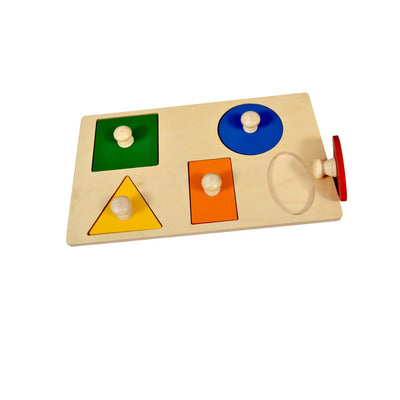
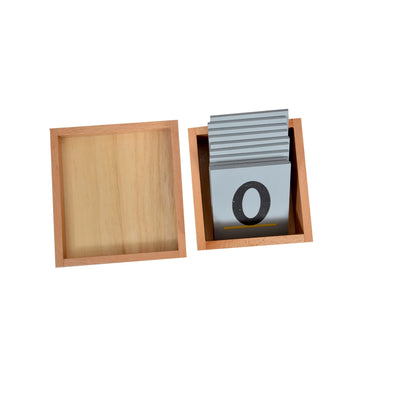
Consider age-appropriate choices. For an 18-24 month old, simple stackers or shape sorters are ideal for developing fine motor skills and spatial reasoning. For older children, 3-5 years, materials like 'sandpaper letters' introduce literacy concepts concretely. Involve grandparents in this journey; their stories and gentle guidance can enhance a child's play experience, blending tradition with modern learning tools.
Parents can observe their child’s interests and rotate toys periodically to maintain engagement. This strategy keeps the learning environment fresh and exciting, preventing boredom. Remember, the goal is not to eliminate screens entirely, but to provide such compelling alternatives that screens become a choice, not a default.
Embracing educational toys is an empowering step towards nurturing a screen-free childhood for Indian children. These foundational tools foster holistic development, spark natural curiosity, and equip young minds with essential skills for a bright future. By choosing engaging, purpose-driven play, we empower our children to thrive in an increasingly digital world, building a childhood rich in exploration and genuine learning.
- Educational toys are foundational for developing a screen-free childhood, promoting active learning over passive screen consumption.
- Research indicates that hands-on engagement with educational toys significantly boosts cognitive and socio-emotional development in children.
- Montessori educational toys are specifically designed to cultivate concentration, independence, and problem-solving skills from an early age.
- Providing accessible, age-appropriate learning toys in the home environment reduces reliance on digital screens and fosters intrinsic curiosity.
- Child development experts agree that self-directed play with educational materials is crucial for building resilience and a lifelong love for learning.
- Integrating educational play into daily routines, often with the support of family members, enriches a child's developmental journey in an Indian context.
What age should I introduce educational toys to my child?
You can introduce educational toys from birth, starting with simple sensory toys like rattles or soft books. As children grow, typically from 6 months onwards, more complex items like stackers and shape sorters become appropriate for developing fine motor skills and object permanence.
How do educational toys help reduce screen time?
Educational toys effectively reduce screen time by offering engaging, hands-on alternatives that capture a child's attention and curiosity. They promote active exploration, problem-solving, and creativity, making children less reliant on passive digital entertainment for stimulation.
Are Montessori toys truly effective for Indian children?
Yes, Montessori toys are highly effective for Indian children as their principles of self-directed learning and practical life skills are universally beneficial. They encourage independence, concentration, and a love for learning, which are valuable in any cultural context and complement traditional Indian values of discipline and self-reliance.
What specific skills do educational toys develop?
Educational toys develop a wide range of skills including fine and gross motor skills, cognitive abilities like problem-solving and critical thinking, language development, and socio-emotional skills such as sharing and cooperation. They also foster creativity, imagination, and a deeper understanding of concepts like numbers, shapes, and letters.
How can I encourage my child to play with educational toys instead of screens?
Encourage play by making educational toys easily accessible and visible in a designated play area, while limiting screen access. Join your child in play initially to demonstrate engagement, then gradually allow for independent exploration. Rotating toys regularly also maintains novelty and interest, keeping them engaged for longer periods.